Last updated November 25, 2026
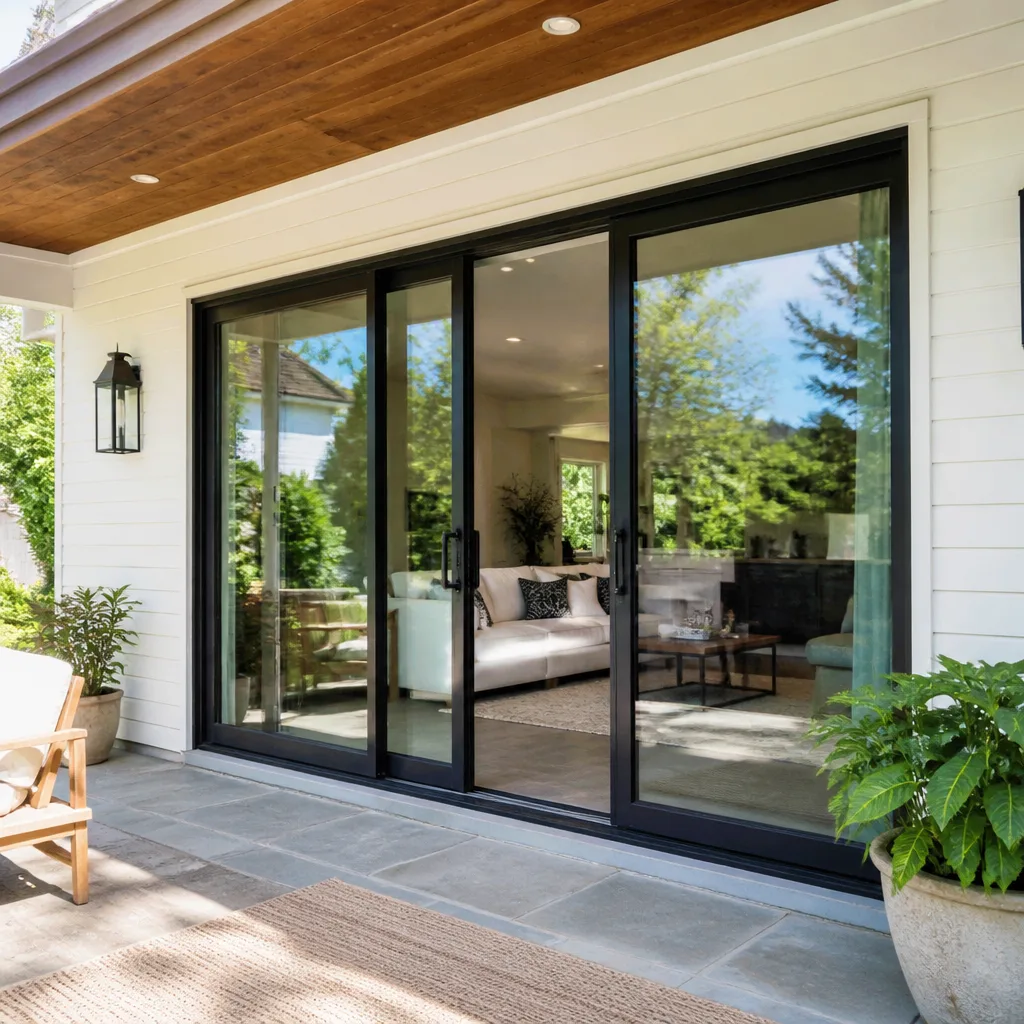 Sliding glass doors
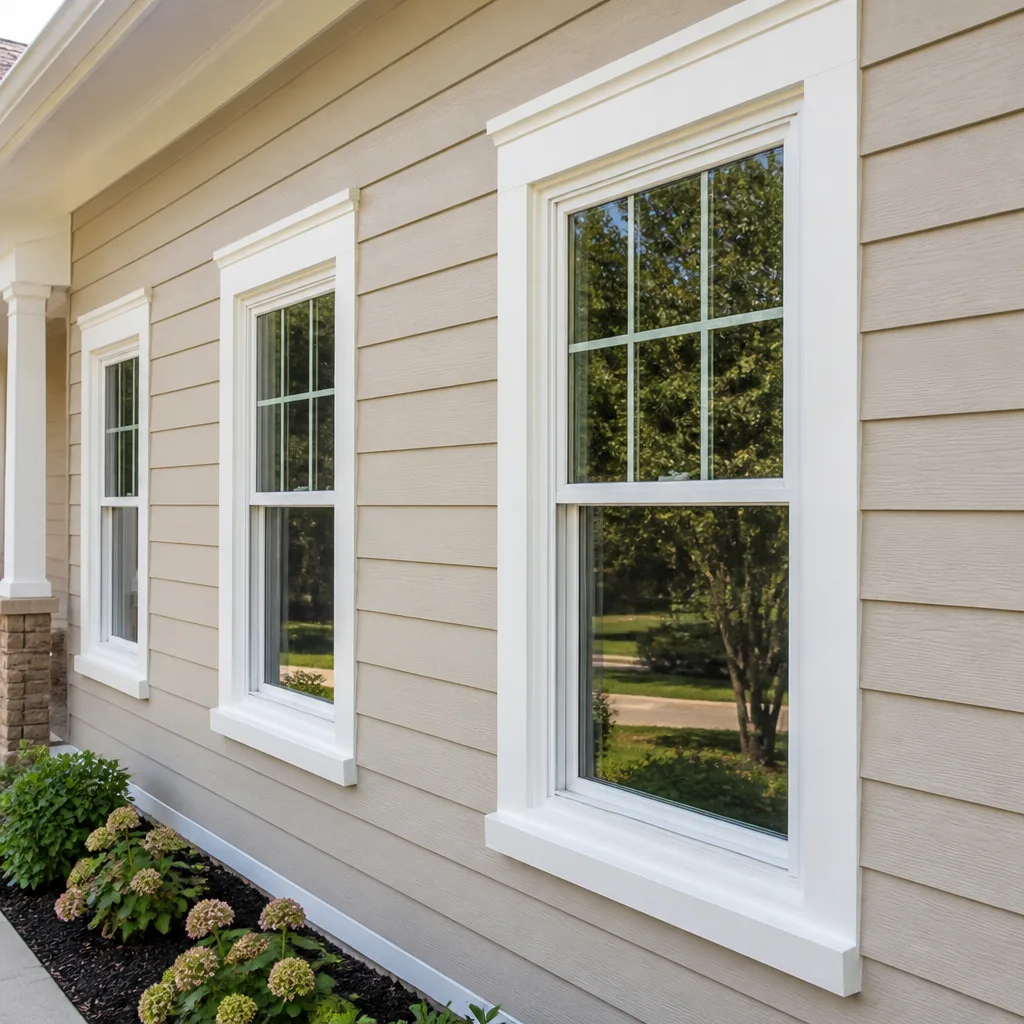 Single hung
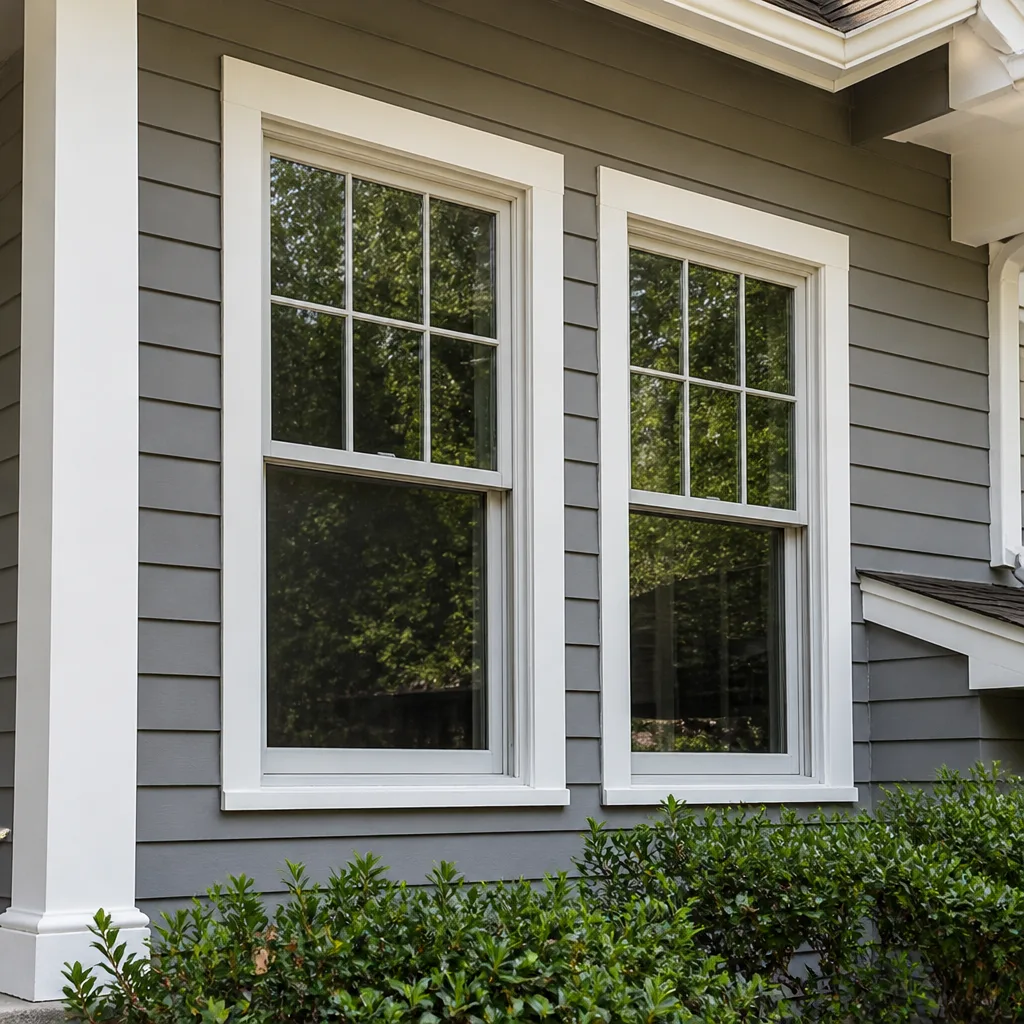 Double hung
 Horizontal roller
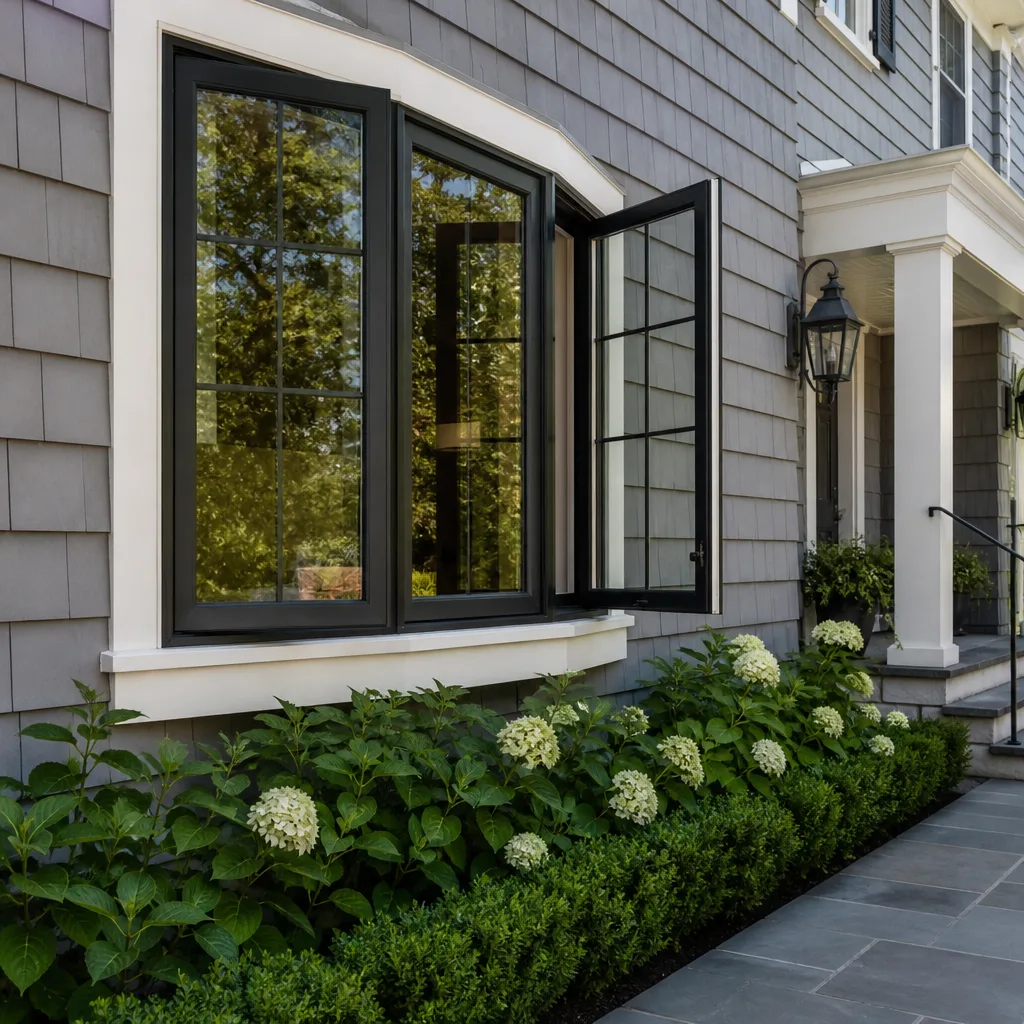 Casement
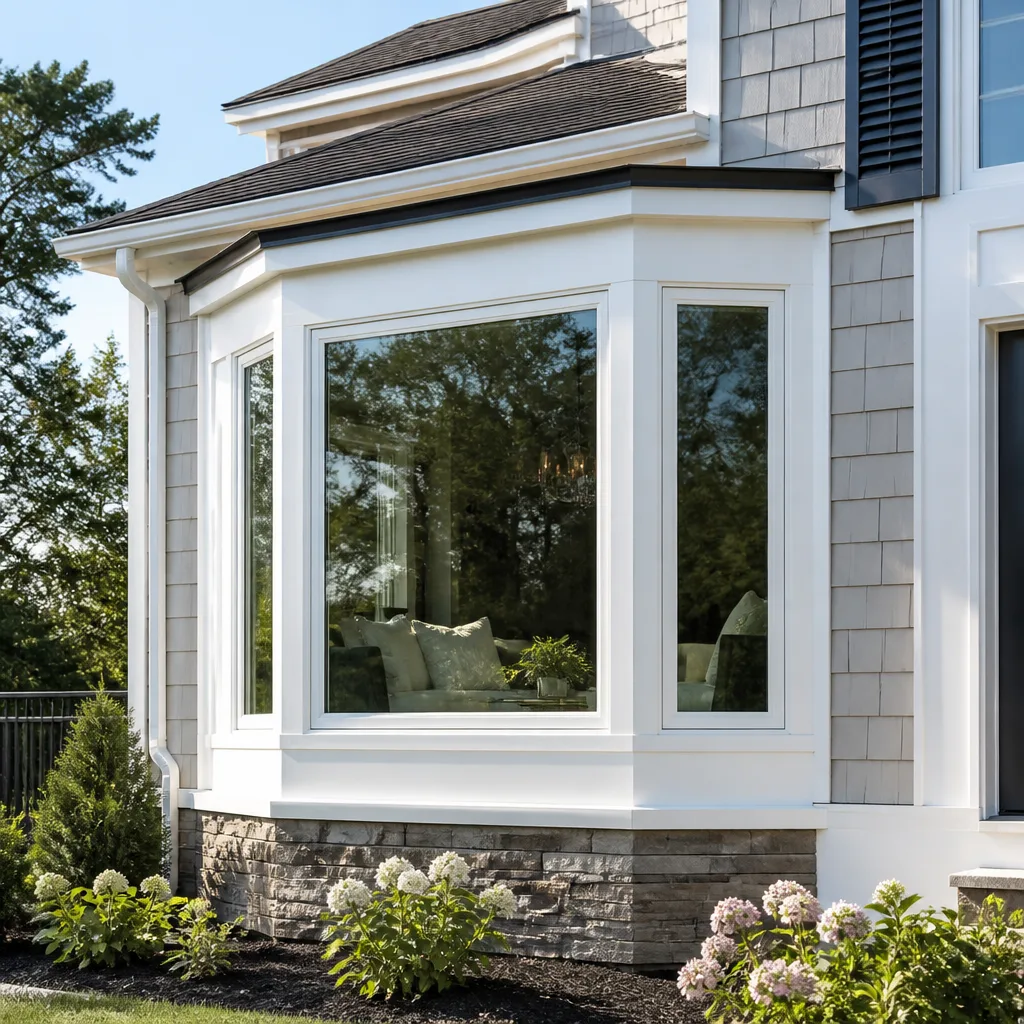 Bay & bow
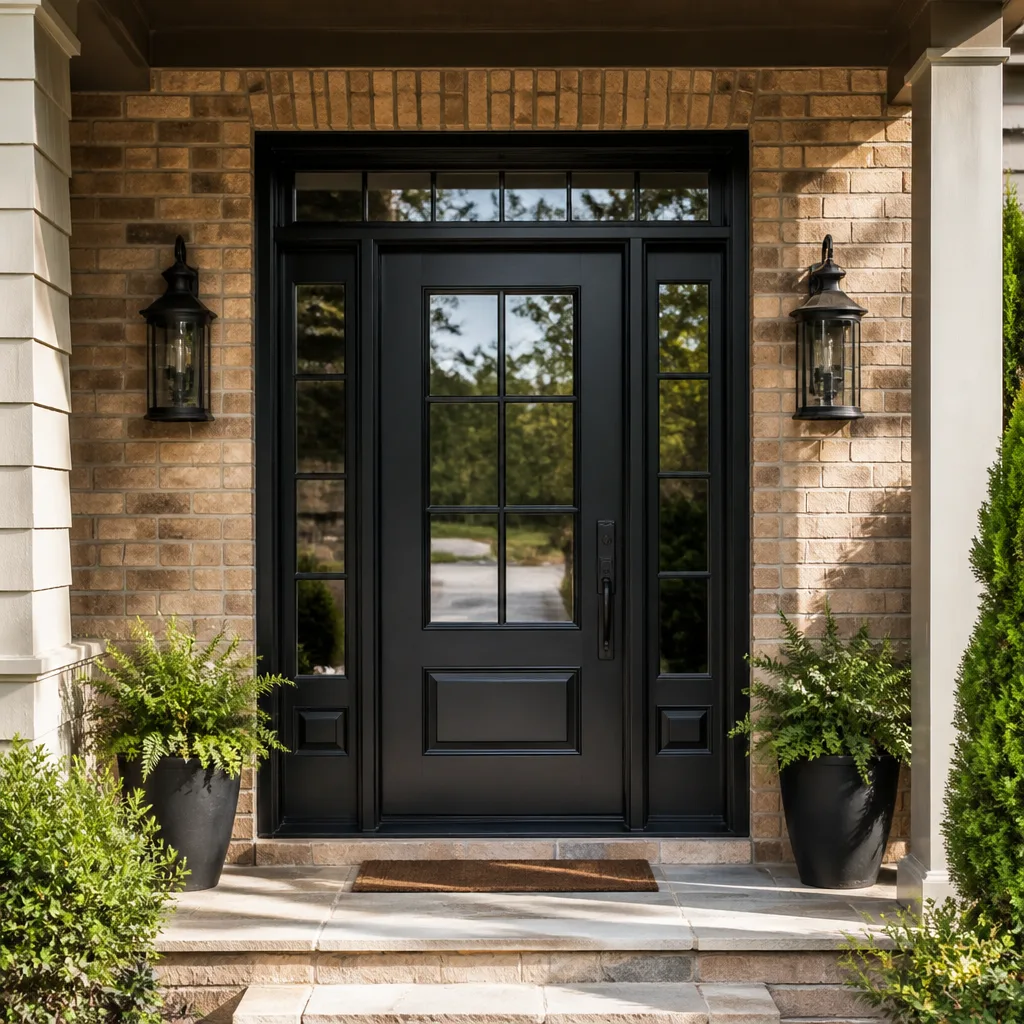 Entry doors
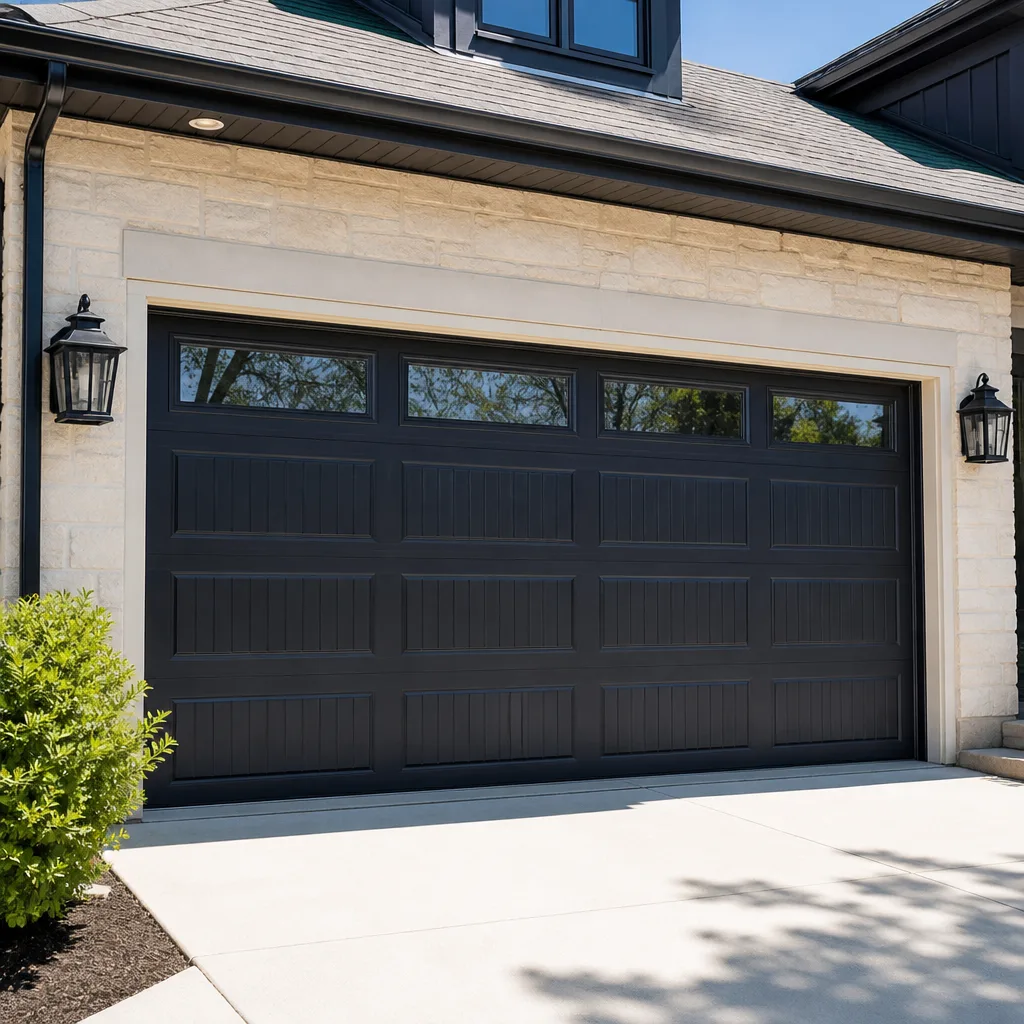 Impact garage doors
 PGT
 CGI
Free in-home measure and quote - PGT, CGI and CWS impact lines compared on your actual openings, style by style
Get your free estimateThe Complete Guide to Windows & Doors in Citrus Heights
Most Citrus Heights homeowners shop for windows and doors as one decision. They’re not. The Sacramento Valley asks two very different things of a window and a door, and the priorities flip depending on which side of the house you’re standing on. A west-facing slider fighting triple-digit July sun needs a solar heat gain coefficient most coastal California guides never even mention. A front door facing the tule fog of a January morning needs a different weatherstripping story. This guide walks through what actually matters in Citrus Heights – the specs, the climate, the home styles, and the product categories – so you can price and choose with a clear head.
Quick Answer
For Citrus Heights, the single most important window spec is solar heat gain coefficient (SHGC): aim for roughly 0.25 or lower on west- and south-facing glass and you’ll cut summer heat gain where it hurts most. After SHGC, look at air infiltration ratings and weatherstripping quality, which matter more here than in most of California because wildfire smoke seasons have made tight envelopes a livability issue. For doors, energy performance and sealing follow the same logic, and the right product depends on whether your home is a mid-century ranch, a 1990s tract build, or something older.
Styles & brands we work with
- Single hung
- Double hung
- Horizontal roller
- Casement
- Bay & bow
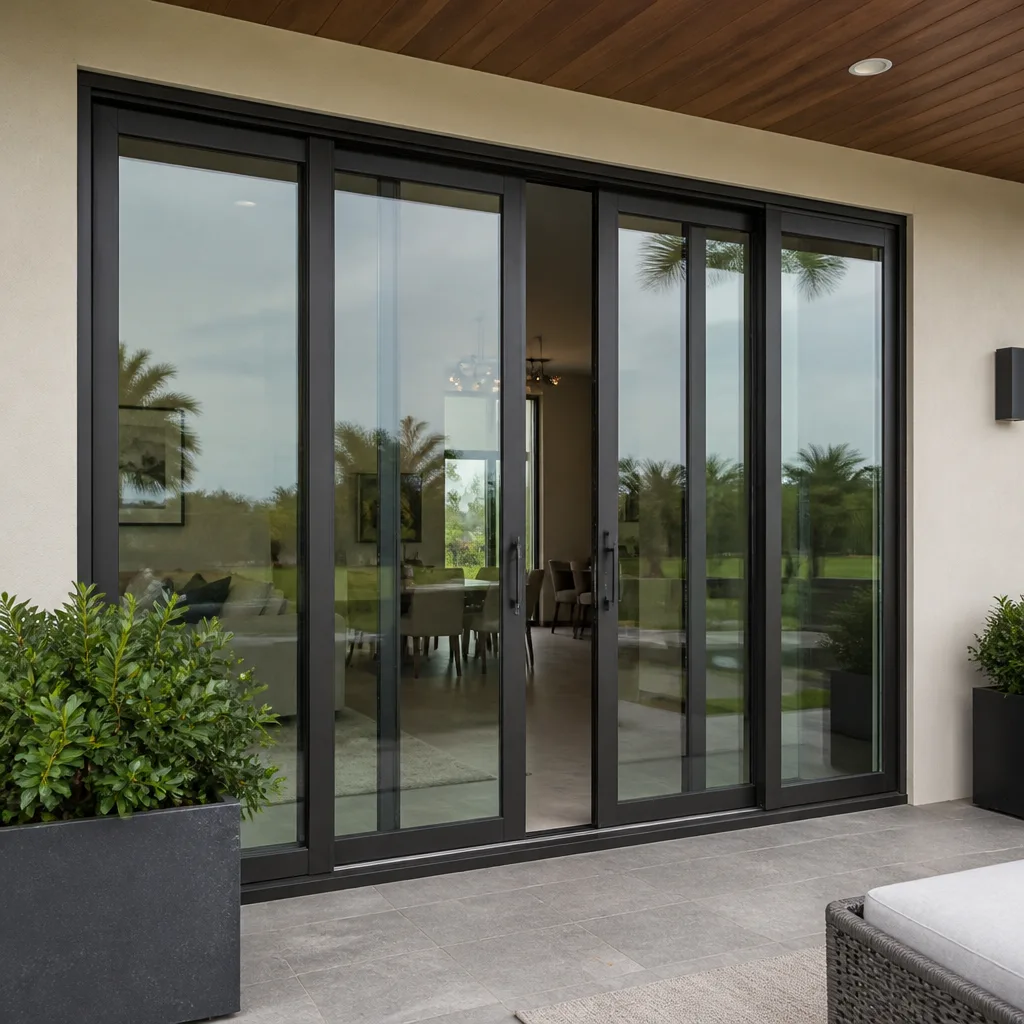
- Sliding glass doors
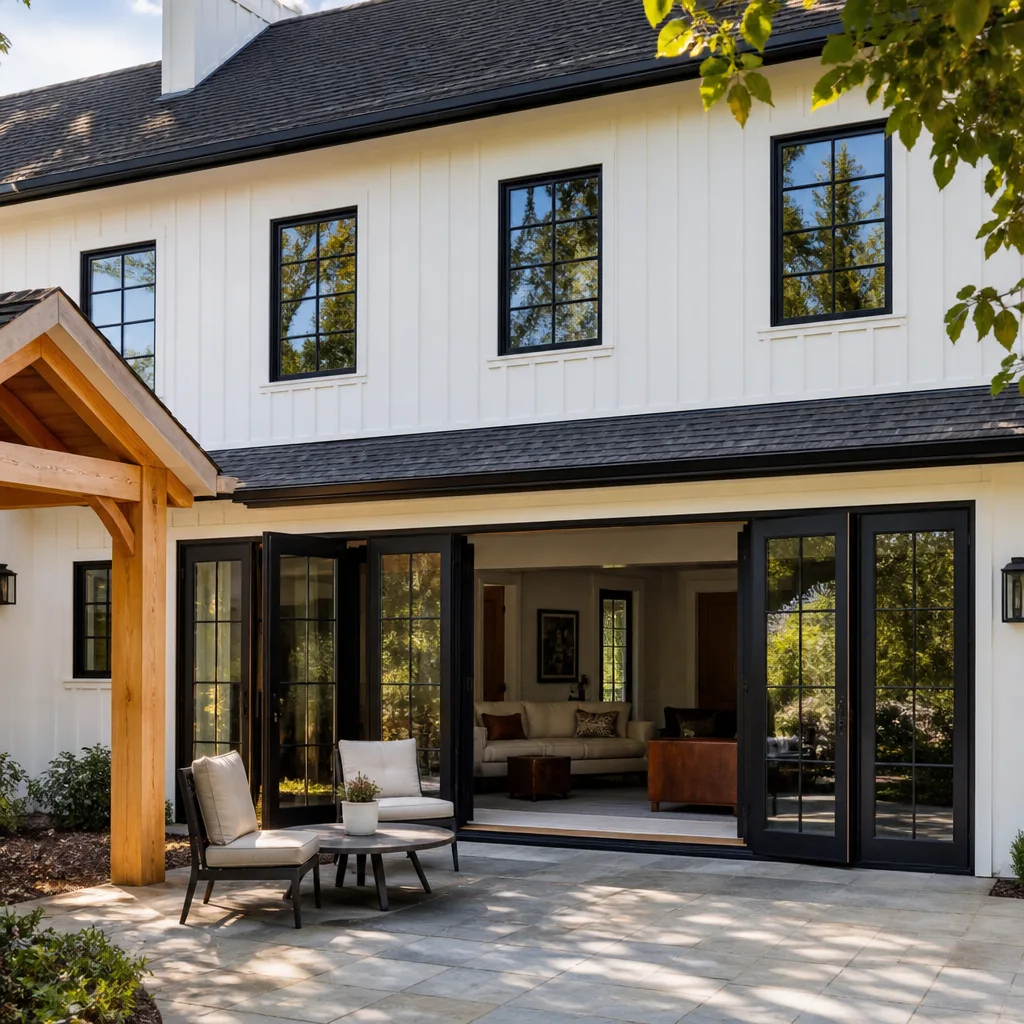
- Entry doors
- Impact garage doors
- PGT
- CGI
Table of Contents
- Why Citrus Heights Windows Fail Differently Than Coastal California Windows
- SHGC: The One Spec Citrus Heights Homeowners Should Learn First
- Pocket, Insert, or Full-Frame: Which Replacement Type Your Citrus Heights Home Needs
- Wildfire Smoke and Air Infiltration: What Changed for Valley Homes
- Doors as Performance Products, Not Afterthoughts
- Matching Window and Door Types to Citrus Heights Home Styles
- A Manufacturer-Agnostic Look at Product Categories
- How Window and Door Pricing Works in Citrus Heights
Why Citrus Heights Windows Fail Differently Than Coastal California Windows
Citrus Heights sits in USDA Hardiness Zone 9b. Summer afternoons regularly hit 105°F, and winter mornings bring the cold, wet tule fog that pools in the valley floor from late fall into early winter. Most window advice written for “California homeowners” was drafted with San Diego or San Francisco in mind, where the day-to-night swing is modest and humidity stays high. That’s the wrong playbook for the Sacramento Valley, and the gap shows up in two places: glass seal longevity and frame movement.
The valley’s diurnal temperature swing is the culprit. A 40°F or greater difference between a hot afternoon and a cool night is routine here in summer, and it repeats day after day for months. Glass units expand and cool, contract and warm, hundreds of times a season. Seals that would coast for decades in a mild coastal climate get worked harder in Citrus Heights, and that’s why fogged or hazy double-pane glass shows up on valley homes earlier than a homeowner expects. It’s not a brand failure. It’s a climate load.
Frames feel the same swing. Vinyl expands and contracts more than fiberglass or aluminum-clad wood, which is fine when the frame is designed for it and the install leaves proper clearance. Poor installation that pinches the frame at the rough opening is where you see binding sashes and stuck operators years down the road. In Citrus Heights, installation quality is not a nice-to-have. The climate stress makes it a deciding factor.
- Hot summers push solar gain and cooling load onto west- and south-facing glass.
- Cold, damp tule fog mornings expose weatherstripping and door sweeps that don’t seal.
- Large daily temperature swings stress glass seals and frame joints more than a stable coastal climate.
- Smoke season makes air infiltration a health-and-comfort issue, not just an energy one.
SHGC: The One Spec Citrus Heights Homeowners Should Learn First
Solar heat gain coefficient (SHGC) measures how much of the sun’s heat a window lets through. The lower the number, the less heat enters. In Citrus Heights, this is the spec that moves your summer comfort and your cooling bill more than any other single number on the label. The U-factor that gets top billing in cold-climate guides still matters, but it’s secondary here. Most of your money in the valley is spent keeping heat out, not keeping it in.
A practical target: look for an SHGC around 0.25 or lower on the glass that takes the most afternoon sun, typically west and south exposures. East-facing glass benefits too, since morning sun on a triple-digit day still loads the house. North-facing windows can run a higher SHGC because they get far less direct sun, and there’s no reason to pay for a tint you’ll never need.
Two other numbers ride alongside SHGC:
- Visible transmittance (VT) – how much daylight comes through. Very low SHGC glass can make a room feel dim. A moderate VT keeps the room bright while still blocking heat.
- U-factor – how well the window resists heat flow. It matters most in winter mornings, and you’ll want a reasonable number without treating it like the headline spec you would in Minnesota.
This is where working from a broad manufacturer roster pays off. A PGT impact-rated unit and an ECO Window Systems energy-focused unit can both be excellent windows and still land at different SHGC values depending on the glass package. The right call is to match the glass to the exposure, not to buy one product for the whole house. If you’re comparing options side by side, our Window Replacement Citrus Heights page lays out the product lines and what each one is built for.
Pocket, Insert, or Full-Frame: Which Replacement Type Your Citrus Heights Home Needs
Three replacement methods exist, and the one that’s right for your home depends on the condition of the opening, not on preference or price. Here’s how they differ.
- Pocket replacement – the old sash and frame are removed, and a new window is fitted into the existing opening without disturbing interior or exterior trim. Best when the frame is sound and you want the least disruption and the fastest turnaround.
- Insert replacement – similar to a pocket, but the new unit slides into the existing frame with minimal removal. Suited to homes with solid frames and standard opening sizes, where you want to preserve original trim detail.
- Full-frame replacement – the entire window, frame and all, comes out and the rough opening is reframed as needed. This is the right call when frames are rotted, out of square, or when you’re changing window size or configuration.
In Citrus Heights, the most common need depends on the home’s era. The mid-century ranch homes built in the 1950s and 1960s around the older parts of the city often have original or early-replacement aluminum frames that have held up reasonably but whose glass has fogged, which usually points to pocket or insert replacement. The 1990s tract builds are the ones where full-frame work shows up more often, because by the time the original builder windows hit the end of their life, the surrounding envelope has often aged too and the homeowner is ready to fix the whole opening. Homes built before 1978 carry an additional consideration: pre-1978 construction falls under EPA lead-safe renovation rules, and that affects how the work is planned. Fuller detail on how each method applies to local housing stock lives on our window installation page.
One scope note: we take window and door projects of three openings or more. A single window or two isn’t a job we run, because the set-up and finish work don’t make sense at that scale. Three or more windows, a set of sliders, a front door plus adjacent units – that’s a proper project.
Wildfire Smoke and Air Infiltration: What Changed for Valley Homes
Wildfire smoke seasons have reshaped how valley homeowners think about windows, and the change is real. Ten years ago, air infiltration ratings landed near the bottom of the spec sheet for most buyers. Now, in Sacramento Valley communities including Citrus Heights, it’s often the spec people ask about first. A window with a low air infiltration rating keeps a closed house closed – no drafts, no smoke seeping through sash gaps, no fine particulates sneaking in behind a poorly sealed frame.
What actually drives infiltration performance is less glamorous than glass: it’s the weatherstripping, the sash fit, the frame tolerances, and the quality of the installation at the rough opening. A window with a great label and a rushed install will leak smoke. A well-built unit installed carefully will go through a smoke event with the house sealed tight.
- Weatherstripping quality – the gasket material and how well it compresses when the sash closes.
- Sash and frame tolerances – tight fit matters more than any single number on the glass.
- Installation sealing – foam, caulk, and flashing at the opening are the actual barrier.
- Door sweeps and thresholds – the entry door is the most common leak point in a smoke event.
If you’ve pulled out caulk lines to find smoke haze on the interior side, that window is telling you something. So is a door that lets daylight through at the threshold. In Citrus Heights, a project that upgrades weatherstripping and door sealing during replacement is a bigger livability improvement than the glass upgrade alone. That’s a conversation worth having during your estimate, not after the smoke arrives.
Doors as Performance Products, Not Afterthoughts
The front door is the most-used opening in a house, and in the Sacramento Valley it works harder than most homeowners realize. It’s the biggest single air leak in most homes, the most common escape point for cooling, and the first thing anyone sees from the street. Treating it as a trim choice rather than a performance product is the most common mistake we see in Citrus Heights door projects.
Three priorities drive a good door decision here:
- Sealing and air infiltration – a quality door slab is only half the job. The threshold, the sweep, and the weatherstripping around the jamb do the actual work. In smoke season, that’s the difference between a house that stays clean and one that doesn’t.
- Thermal performance – insulated core and a good thermal break in the frame reduce summer heat transfer and winter morning condensation.
- Sun exposure – a west-facing front door in Citrus Heights takes the same afternoon blast as the windows next to it. Finish and material selection should reflect that.
Therma-Tru entry doors sit in our roster specifically because they hit all three without forcing a homeowner into a decorative glass upgrade they didn’t ask for. For homeowners who want a door that does the job and looks right from the curb, we can spec the performance-first version. For homeowners prioritizing a design-forward front, we can weigh decorative glass along with the sealing package. It’s the same product family; the choice is yours. Our door replacement page walks through the entry-door options and how they pair with sliding door work if you’re replacing both at once.
Matching Window and Door Types to Citrus Heights Home Styles
Homes across Citrus Heights split roughly into three eras, and each one has a product category that fits best. This isn’t about brand loyalty. It’s about how the architecture works with the window or door.
Ranch homes (1950s-1960s)
Low-pitch roofs, wide eaves, and horizontal window openings define the older ranch housing. These homes read best with wide single-hung or slider units and low-profile frames. Impact-rated sliding doors work well on the back, and the wide eaves do a lot of the shading for you. SHGC still matters on the west side, but the eave overhang earns you some flexibility.
Mid-century homes
Mid-century stock often carries larger expanses of glass and distinctive frame details worth preserving. Full-frame replacement lets you match the original opening shape and keep the character, while pocket replacement preserves existing trim where it’s in good shape. Fixed and awning units suit the wide glass walls these homes often have, provided the glass package is spec’d for the exposure.
1990s tract homes
The 1990s tract builds are the most common in Citrus Heights and the most consistent in their needs. Standard double-hung openings, builder-grade components hitting end of life, and a gradual accumulation of small air leaks. These homes benefit most from pocket or insert replacement paired with a serious door and weatherstripping upgrade. A mid-range unit with a good SHGC will outperform a premium unit with a coastal-climate glass package here.
A Manufacturer-Agnostic Look at Product Categories
We install for eight manufacturers – PGT, CGI, CWS, ES Windows, ECO Window Systems, Mr-Glass, Therma-Tru, and ViewLux. That roster spans impact-rated lines, energy-focused systems, decorative glass, and premium entry doors. The point of carrying breadth is not to overwhelm you with options. It’s so the recommendation can follow your priority instead of a single-brand dealer’s inventory.
The product categories break down like this:
- Impact-rated systems (PGT, CGI) – laminated glass and reinforced frames built for storm resistance. In Citrus Heights, the real-world value is glass integrity under thermal stress and debris strikes during winter wind events. Hail is uncommon here, so this isn’t a hail-defeat story – it’s about stress and impact durability.
- Energy-focused systems (ECO Window Systems, ES Windows) – engineered around U-factor and SHGC, with glass packages tuned for hot-climate performance. These are the natural fit for the west and south exposures of the valley.
- Decorative and specialty glass (Mr-Glass, ViewLux, CWS) – pattern, texture, and design flexibility, useful for side lights, entry glass, and homes where a window or door needs to carry visual weight.
- Premium entry doors (Therma-Tru) – insulated cores, reinforced sealing, and design variety for the front door as a performance product.
Compare a PGT impact-rated unit and an ECO Window Systems energy unit side by side on the same house and you’ll get two honest answers. One prioritizes durability and impact resistance. The other prioritizes thermal performance and solar control. Neither is wrong, and neither should be sold as a universal answer.
How Window and Door Pricing Works in Citrus Heights
Window and door pricing in Citrus Heights is estimate-based. There’s no universal “price per window” number that means anything, because the product, the replacement method, the opening condition, and the number of openings all move the number. What we can do is explain the structure so you know what you’re comparing when quotes come in.
Four things drive the price of any window or door project:
- Product category – impact-rated and energy-focused systems cost more than standard configurations. The glass package is a large share of the price.
- Replacement method – full-frame costs more than pocket or insert because more labor and framing is involved.
- Opening condition – rotted frames, out-of-square openings, and homes built before 1978 (which fall under EPA lead-safe rules) add labor.
- Project scope – three openings is the minimum we take; larger projects get more efficient per opening because the set-up cost is spread wider.
The written, line-item quote is the document that sets the final price. Not a phone estimate, not a range from a website. We measure, we write it down, and the price on the paper is the price. Contact our window replacement team to schedule a free estimate, and plan on spending time on product selection – the right window for your home matters more than the fastest quote.
Our technicians have up to 8 years of experience installing these products, and the local pro on your project is licensed and insured as their state requires. The work is permitted where Citrus Heights requires it, and inspections are passed before we call the job done.
Common Mistakes to Avoid
- Buying on U-factor alone. That’s the right spec for a Minnesota winter. In Citrus Heights, SHGC is the number that governs your summer comfort and bill. Lead with SHGC and set U-factor second.
- Treating every window the same. A north-facing window doesn’t need the same low-SHGC glass as a west-facing one. Glass packages should vary by exposure, and a quote that applies one spec to every opening is a red flag.
- Ignoring air infiltration until smoke season. Weatherstripping and installation sealing are the actual barrier against wildfire smoke. Sorting that out during a window or door project is far easier than retrofitting later.
- Assuming pocket replacement works everywhere. It doesn’t. Rotted or out-of-square frames need full-frame work. A quote that promises pocket replacement without looking at the frames is worth questioning.
- Buying doors on looks alone. The threshold, sweep, and weatherstripping make more difference to comfort than the door slab’s finish. A beautiful door that leaks is a bad door.
- Underestimating the 1990s tract reality. The most common Citrus Heights home style needs the most middle-of-the-range product – not the fanciest unit and not the cheapest. Getting that match right saves money without sacrificing performance.
- Shopping a single brand. A single-brand dealer will fit your home to their inventory. Carrying eight manufacturers is the only way to fit the product to the home.
See the difference
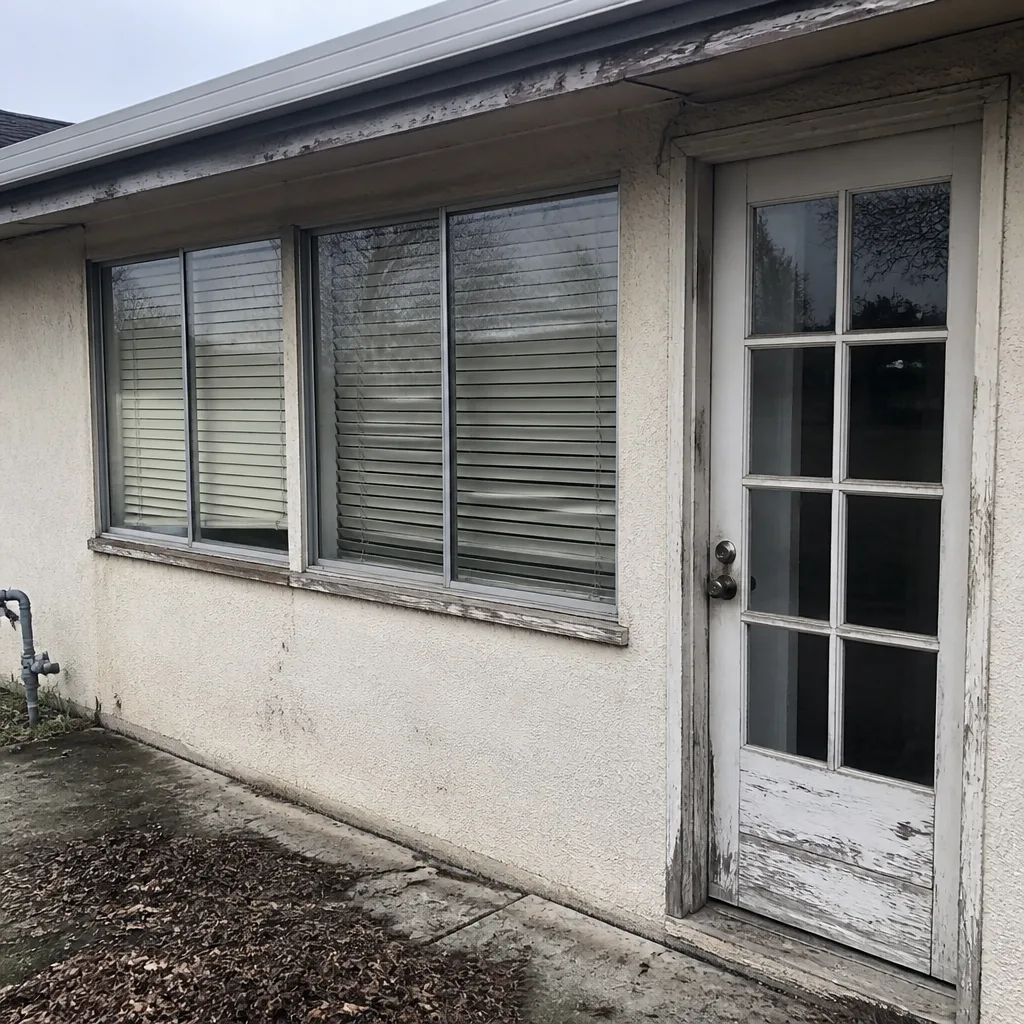 Before
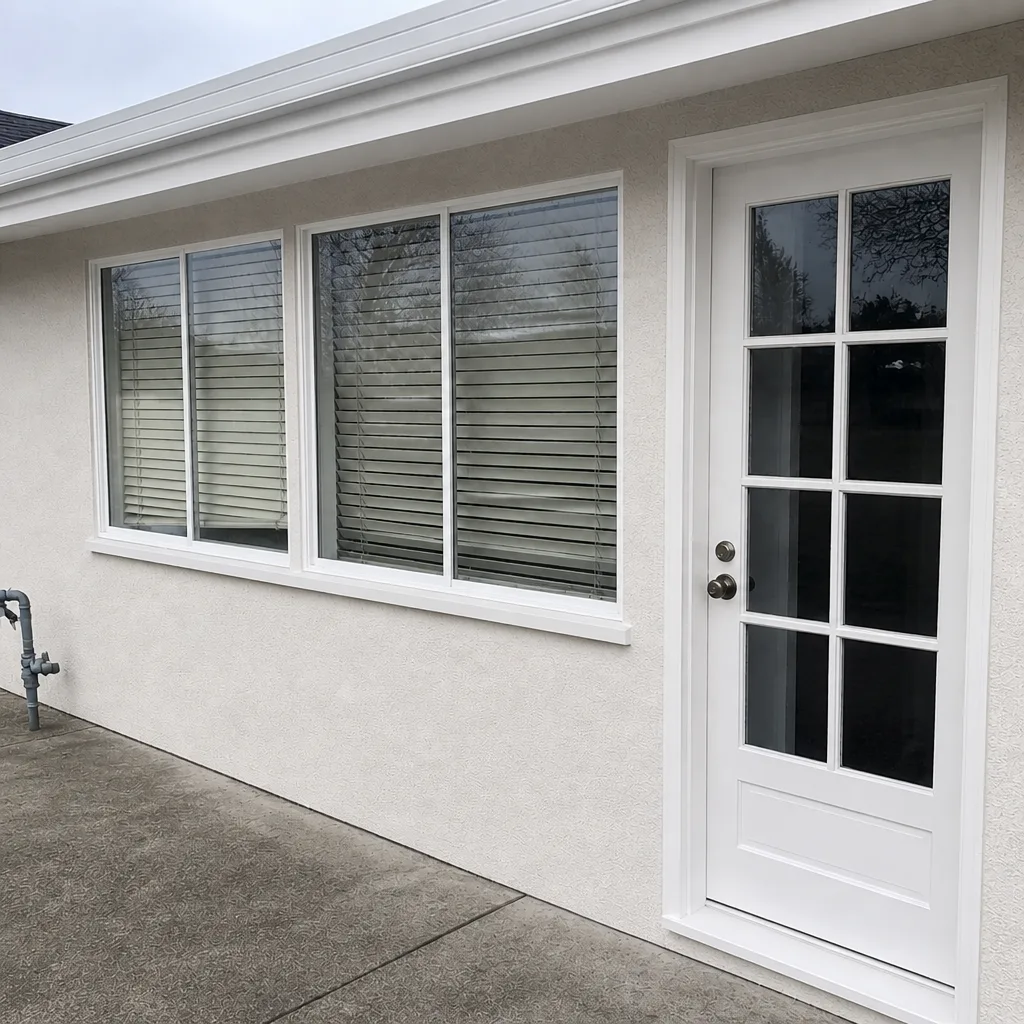 After
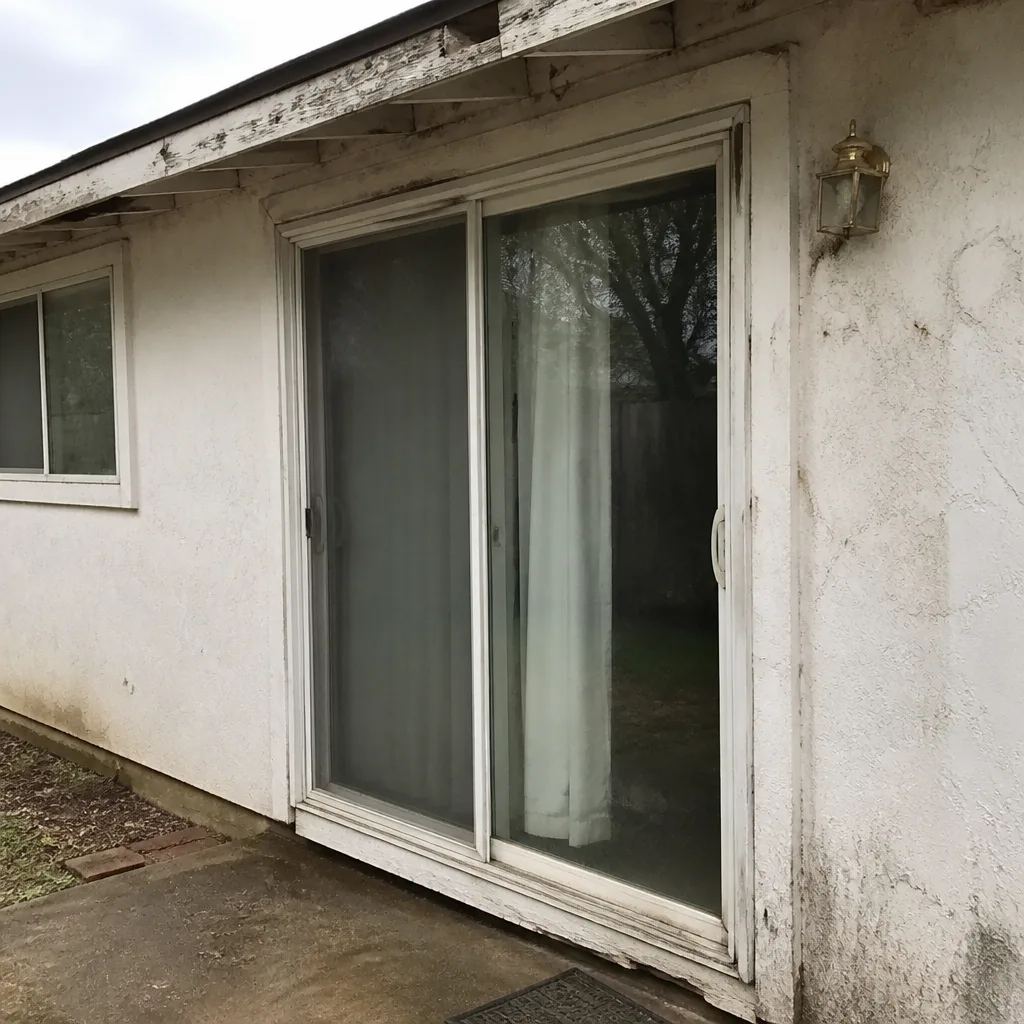 Before
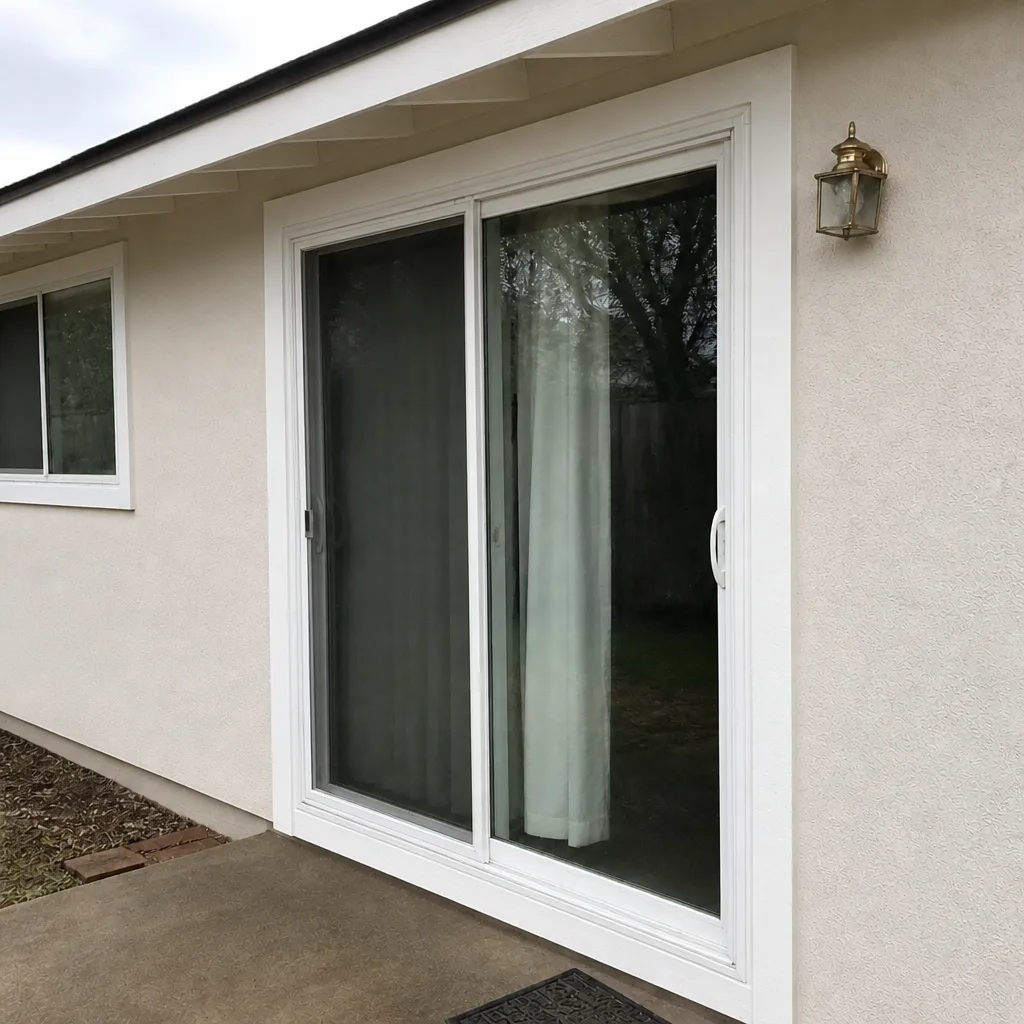 After
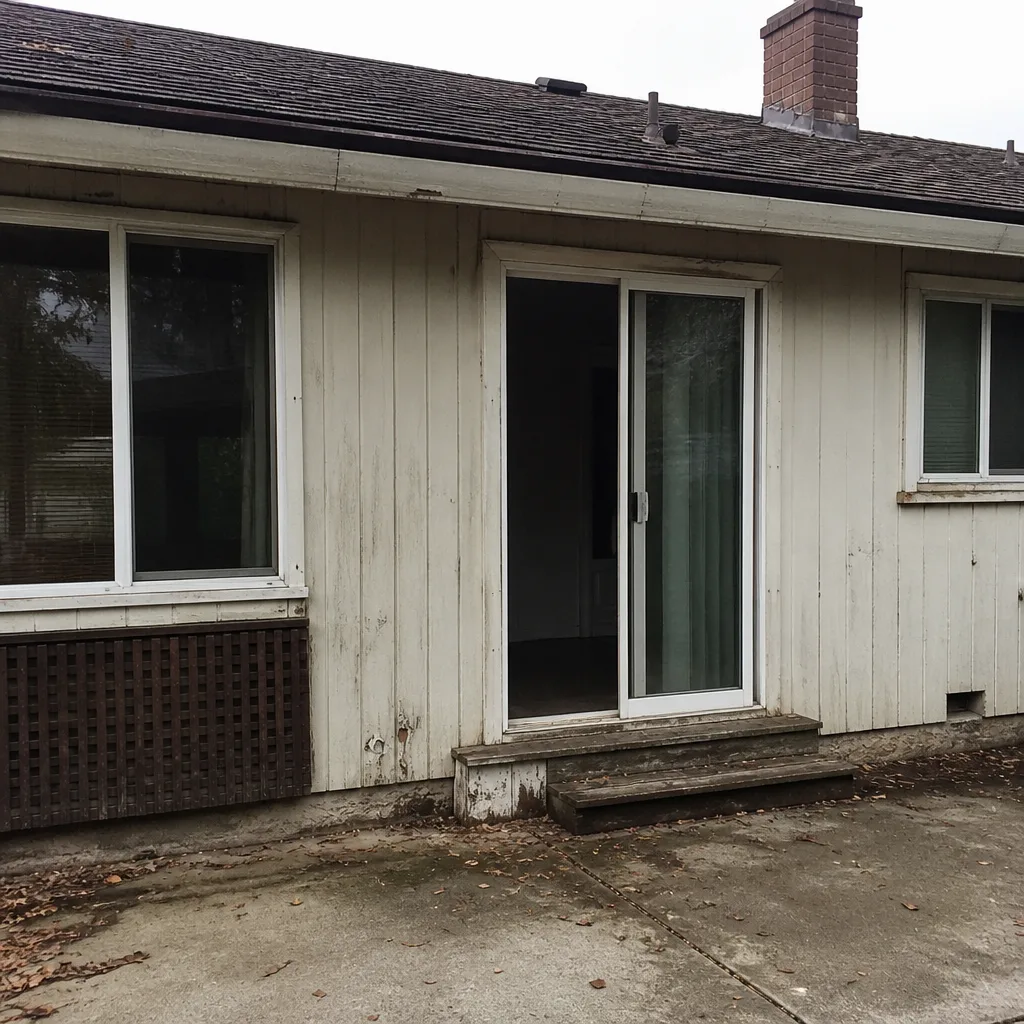 Before
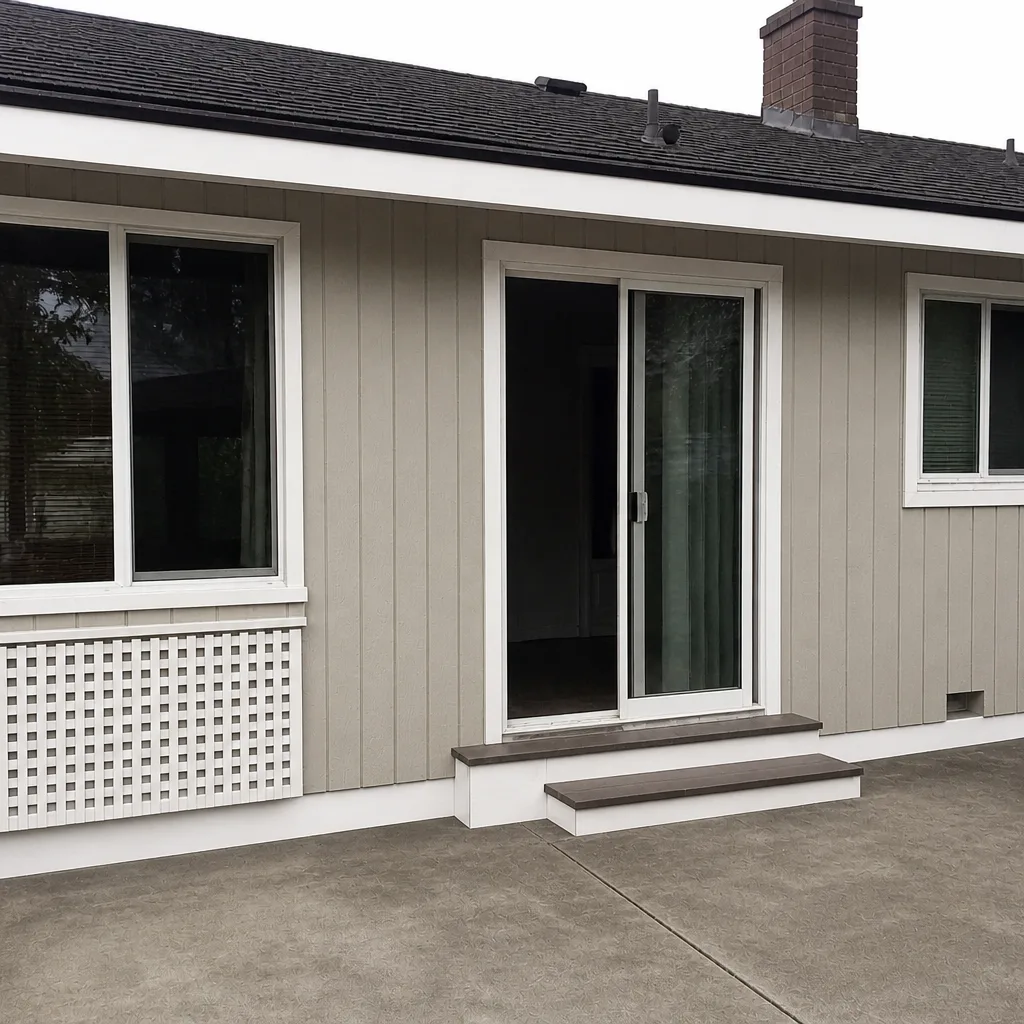 After
When to Call a Professional
Some window and door problems are cosmetic, and some aren’t. Call us when glass is fogged or hazy on the inside of the pane (a failed seal), when you can feel air moving at a closed sash or around a door frame, when daylight shows at the threshold of a door, when frames are soft or showing rot at the sill, or when a window no longer opens or closes smoothly. If smoke haze appears on the interior side of a window during a smoke event, that’s the house telling you the envelope has failed somewhere. Any of those is a reason to get eyes on the opening before deciding on a replacement. Window Replacement Citrus Heights offers free estimates in Citrus Heights – call (279) 321-4124 to schedule one.
Frequently Asked Questions
Aim for an SHGC of roughly 0.25 or lower on west- and south-facing glass. North-facing windows can run higher because they see little direct sun. The right target for your home depends on the exposure and the ratio of glass to wall, so an in-person look at the elevations is worth more than a single number. Call (279) 321-4124 for an exact product recommendation – estimates are free.
You don’t need them for hail, which is uncommon here. Impact-rated lines like PGT and CGI still earn their place in Citrus Heights for glass integrity under the valley’s repeated thermal stress and for wind-driven debris during winter storms. They’re a durability choice, not a hail requirement. If you’re weighing impact-rated against an energy-focused line, call (279) 321-4124 to walk through the tradeoffs.
Window replacement plus a proper door and weatherstripping upgrade greatly reduces smoke infiltration, provided the install is done well. The sealing at the rough opening, the sash fit, and the weatherstripping are the actual barrier. A great window installed poorly will still leak smoke. Call (279) 321-4124 to have your openings assessed before smoke season.
Older ranch and mid-century homes in Citrus Heights most often need pocket or insert replacement when the frames are sound. The 1990s tract homes more often reach the point of full-frame work by the time the original builder components are replaced. The right answer depends on the frame condition and opening square, which is why an in-person measurement matters. Call (279) 321-4124 for a free estimate.
We take projects of three openings or more. A single window or a set of two isn’t a scope we run, because the finish and set-up work don’t make sense at that scale. Three windows, a slider and a front door, or a full elevation of windows qualifies. Call (279) 321-4124 to talk through a project scope.
No. We measure, we write a line-item estimate, and that written price sets the final cost. Permits, product, and labor are all itemized. If something is found during the install that wasn’t visible in the measurement – rotted framing, for example – we bring it to you before doing the work. Call (279) 321-4124 for a free written estimate.
The Bottom Line
Windows and doors in Citrus Heights are two separate decisions shaped by one climate. SHGC leads for the windows – 0.25 or lower on the sun-facing elevations – and air infiltration plus weatherstripping lead for the doors, especially with wildfire smoke seasons now part of the calendar. The right replacement method depends on the age and condition of the opening, not on preference. And the right product depends on your priority: impact durability, energy performance, or design. We install for eight manufacturers so that the recommendation follows your home. Our technicians have up to 8 years of experience, the local pro is licensed and insured as the state requires, permits are pulled, and every project starts with a free written estimate. Call (279) 321-4124 to schedule yours.
Written by the team at Window Replacement Citrus Heights.