Last updated November 25, 2026
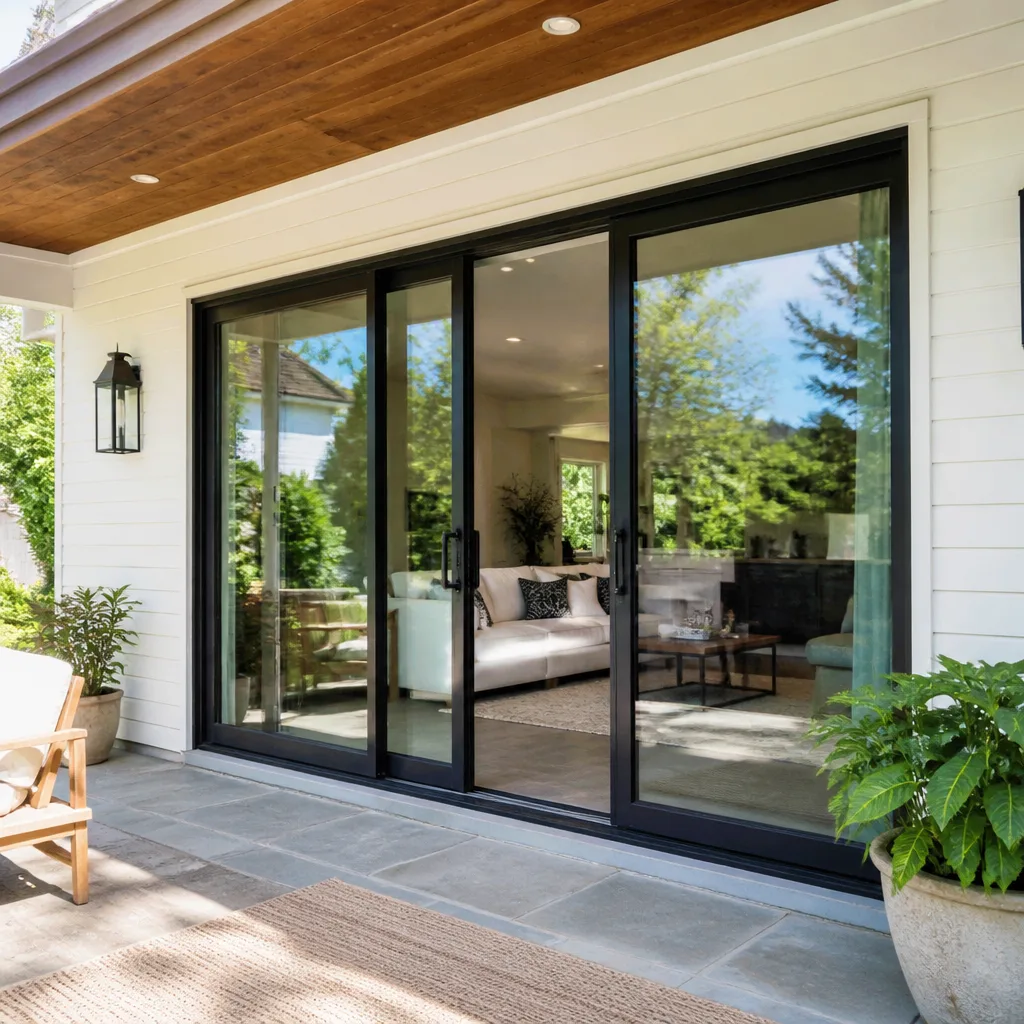 Sliding glass doors
 Single hung
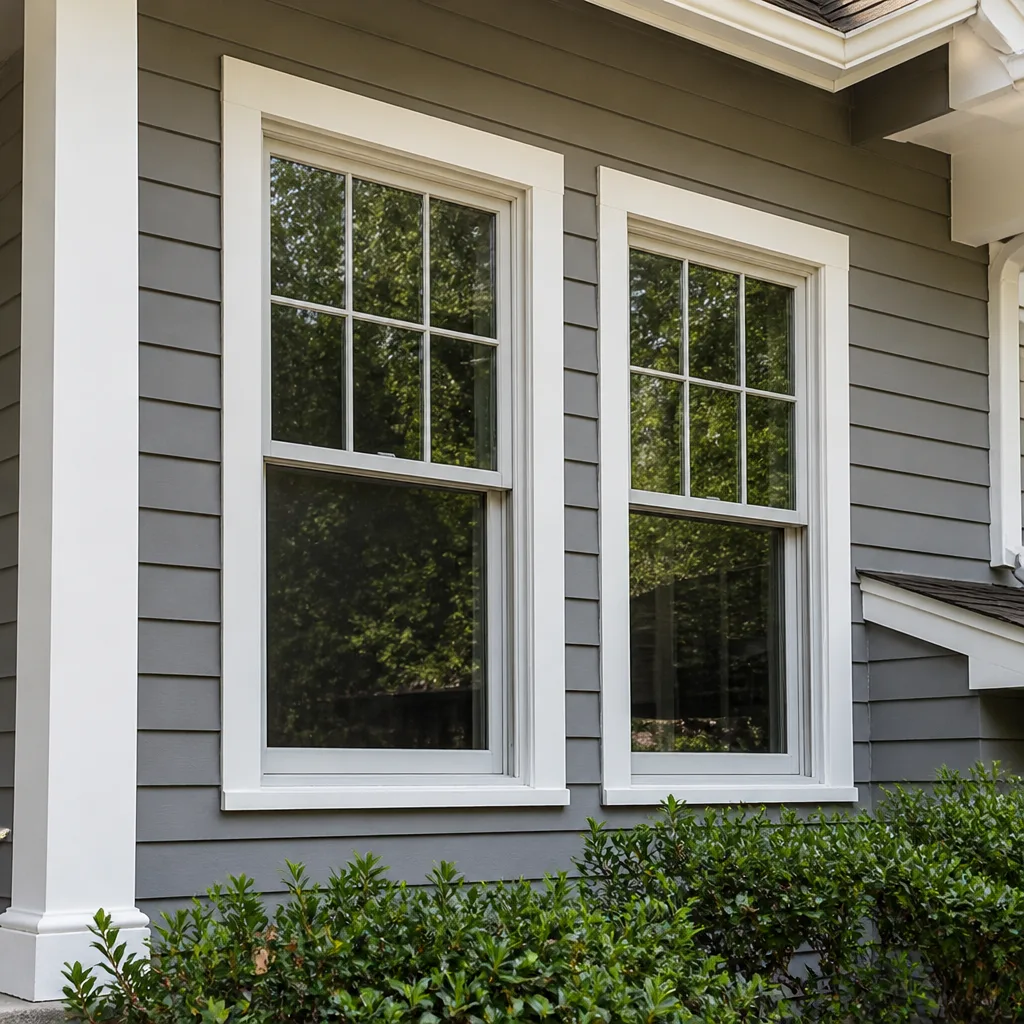 Double hung
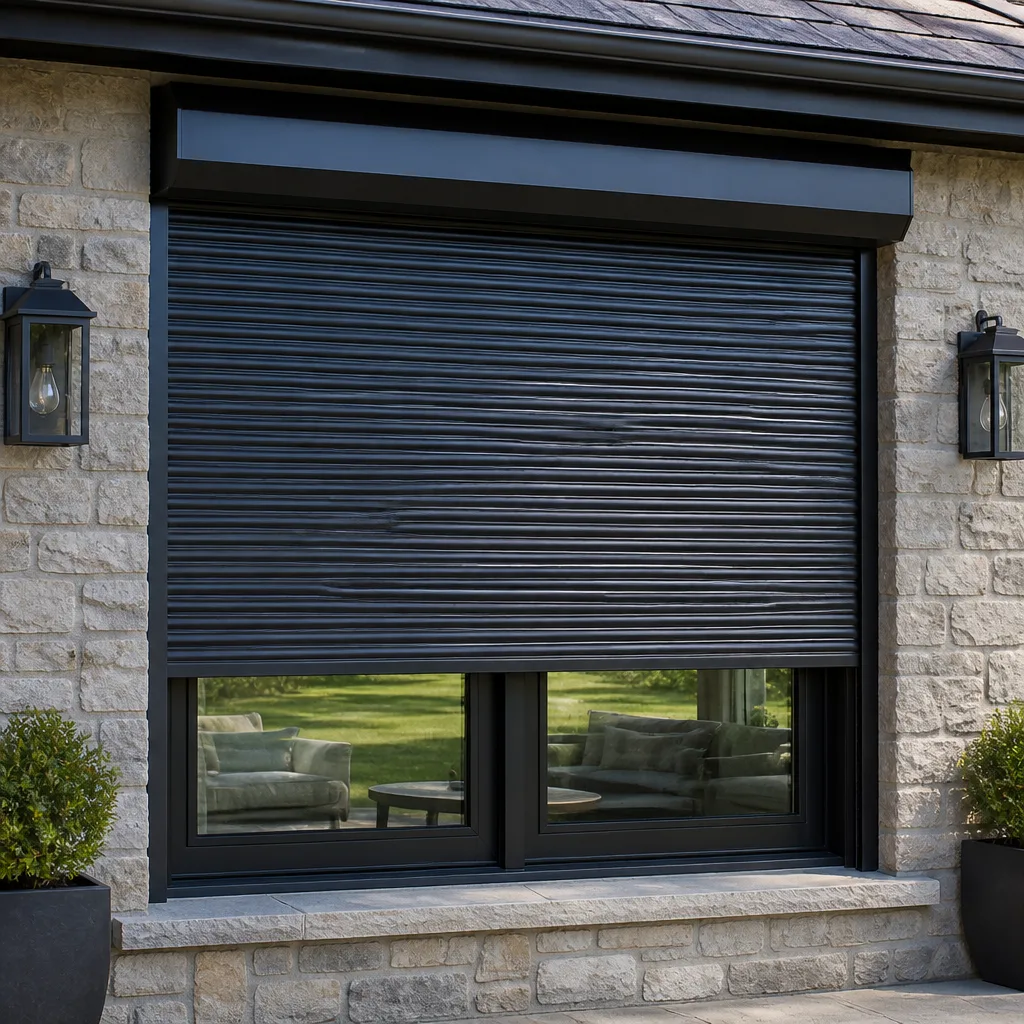 Horizontal roller
 Casement
 Bay & bow
 Entry doors
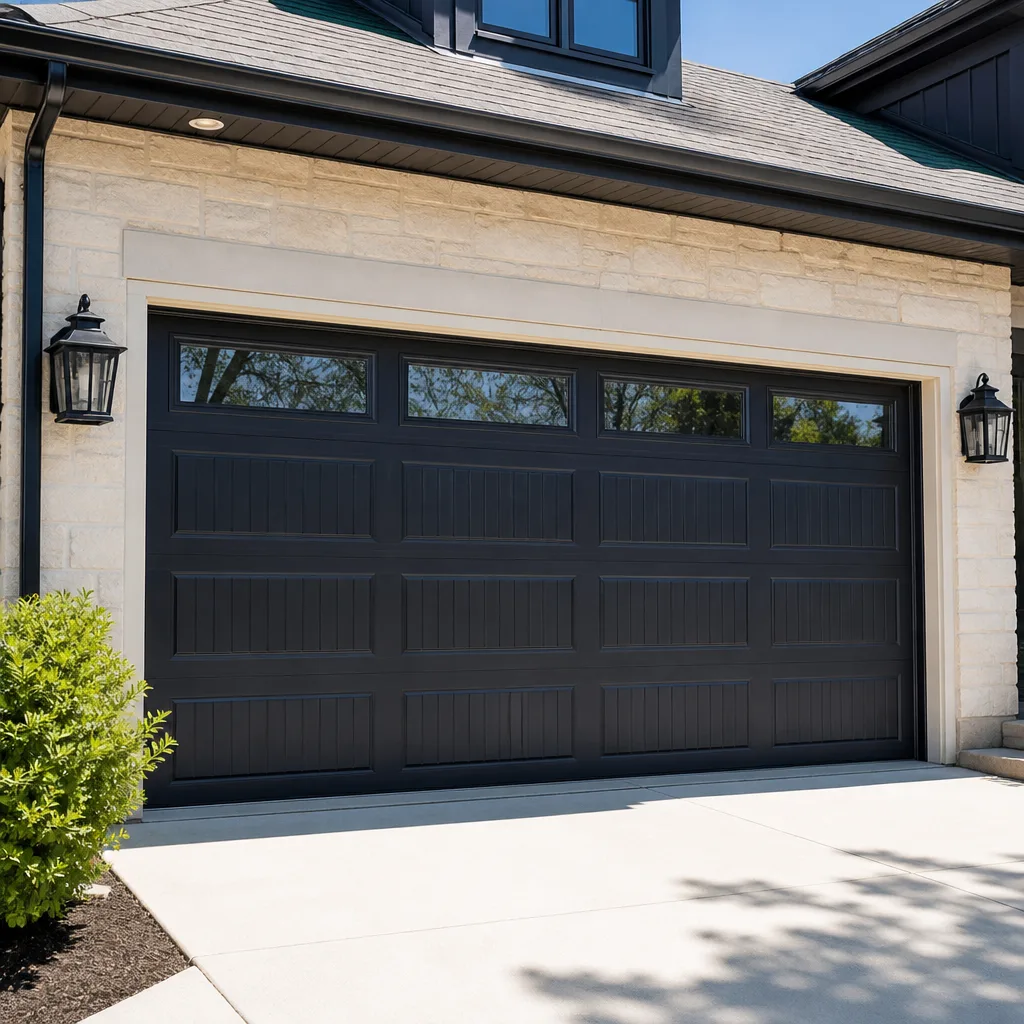 Impact garage doors
 PGT
 CGI
Free in-home measure and quote - PGT, CGI and CWS impact lines compared on your actual openings, style by style
Get your free estimateSeasonal Windows & Doors Care for Citrus Heights: Year-Round Homeowner’s Guide
Most homeowners here assume our weather is gentle enough that windows and doors need little attention. The opposite is true. What damages frames, seals, and hardware in Citrus Heights isn’t extreme heat or deep cold on its own. It’s the speed at which we move between them. A fall afternoon that starts near 95°F and drops toward 50°F by morning works wood and vinyl harder than a steady hot week ever does, and the first foggy glass you notice in October usually started failing months earlier. In this guide we’ll walk through what each season actually does to your windows and doors, what to check before problems spread, and a calendar tied to local weather rather than arbitrary dates.
Quick Answer
Windows and doors in Citrus Heights should be inspected at four seasonal transition points rather than on a fixed yearly schedule: before the first cold nights, through tule fog season, ahead of wildfire smoke season, and going into peak summer heat. Each transition stresses a different part of the assembly – seals and frame miters in fall, condensation paths in winter, air infiltration in spring, and hardware and exterior surfaces in summer. Caught at the right time, most of this is inspection and sealing, not replacement.
Styles & brands we work with
- Single hung
- Double hung
- Horizontal roller
- Casement
- Bay & bow
- Sliding glass doors
- Entry doors
- Impact garage doors
- PGT
- CGI
Table of Contents
- Fall: The Temperature-Swing Damage Window
- Winter: Tule Fog and Telling Condensation Apart
- Spring: Sealing Before Wildfire Smoke Season
- Summer: Heat, Screens, Film, and Hardware
- The Citrus Heights Annual Care Calendar
- Older Housing Stock and Why Timing Matters
- Common Mistakes to Avoid
- When to Call a Professional
Fall: The Temperature-Swing Damage Window
The biggest window and door damage in Citrus Heights happens in October and early November, not in July. During summer, the materials in a window frame stay warm and expanded for weeks. When fall arrives, a single day can push from 95°F at midday down to 50°F before sunrise. That daily contraction and expansion cycle repeats until the weather settles, and it works on exactly the parts that fail first: the seals around the glass unit and the miters where frame corners meet.
The same swings hit door slabs harder than most people expect. An exterior wood or composite door absorbs heat on one face and cools on the other, which makes it swell in the day and shrink at night. That’s when you start hearing a door catch, drag, or show a sliver of daylight at the bottom corner. A door that fit cleanly in August and sticks in October is telling you the assembly is moving, and the fix is usually adjustment and weatherstripping, not a whole new unit.
What to check before the first cold nights
- Run a hand along the interior edge of every window frame. Any cool draft at the jamb or sill points to worn weatherstripping or a gap that will only widen as the wood dries.
- Open and close every operable window and exterior door once. Note where it catches, scrapes, or won’t latch cleanly – those are the spots the seasonal swing will make worse.
- Inspect the caulk line where the exterior frame meets the siding or stucco. Hairline cracks open in fall and let water in during the first rains. Re-caulk anything that’s pulling away before the rain returns.
- Look at the frame corners for separation at the miters. A visible gap at the joint is the earliest sign the seal is losing its grip.
- Check door sweeps and thresholds for daylight and dirt streaks. They tell you the door is letting air and debris past the seal.
Most of this fall work is straightforward inspection and re-sealing. If a frame miter has opened wide enough that you can see daylight through the joint, that’s a sign the unit itself has reached the end of its life and a replacement is worth pricing. We work with Window Replacement Citrus Heights as our home base, and fall is the season we get the most requests for exactly this kind of assessment.
Winter: Tule Fog and Telling Condensation Apart
Winter in Citrus Heights means morning tule fog, and that fog produces more window calls than any other weather event. The moisture itself is normal. What matters is where it collects. There’s a real difference between condensation on the inside of a window pane and fog trapped between the two panes, and confusing the two leads homeowners to replace units that don’t need it – or ignore units that do.
How to tell surface condensation from seal failure
- Surface condensation: moisture beads on the interior glass, wipes off with a cloth, and clears as the room warms. It’s a sign the glass is the coldest surface in the room, not a sign the window has failed. Ventilation and a little airflow during the foggy months handle it.
- Between-pane fogging: a cloudy or milky haze sits between the glass panes and doesn’t wipe away from either side. That’s a broken seal in a dual-pane unit. The insulating gas has escaped and the glass is no longer doing its job. It’s a replacement glass unit, not a repair.
- Water pooling on the sill: persistent wetness along the sill, especially stained wood or peeling paint, points to a leak at the frame or sill rather than a condensation problem. That’s the kind of thing to look at professionally before it reaches interior walls.
Winter is also the season to check weatherstripping on exterior doors. A door that sealed tightly in fall can develop a draft once the winter damp swells the jamb. Run a dollar bill around the closed door; if it slides easily through the gap, the weatherstripping needs attention. If a sliding door tracks slowly or rattles in the foggy months, that’s usually hardware or rollers, and it’s worth pricing a replacement once a tune-up won’t hold it.
The other winter task is managing interior humidity. Cooking, showering, and laundry add moisture, and with windows closed most of the season, that moisture has nowhere to go but onto the coldest glass. Running a bathroom exhaust fan and cracking a window for a few minutes after cooking goes a long way toward keeping fogged glass from becoming a bigger problem.
Spring: Sealing Before Wildfire Smoke Season
Spring is the time to seal before the real work arrives. In Citrus Heights, spring means preparing your home’s envelope before the wildfire smoke season sets in over summer and fall. Air infiltration is the thing to attack. Every gap around a window frame or exterior door that lets a little cool air in during spring becomes a gap that lets smoke particles in once air quality drops, and the same gaps make a house harder to keep cool in the heat.
The spring sealing checklist
- Walk the exterior of the house and inspect the caulk joint at every window and door frame. Any crack, peeling bead, or gap gets re-caulked with exterior-grade caulk rated for our temperature range.
- Confirm weatherstripping on every exterior door is intact along the full perimeter – top, sides, and bottom sweep. A single break in the seal is where smoke and hot air get in.
- Check the frames of sliding doors specifically. The interlock between panels is a common air leak, and the sliding track collects debris through spring that should be cleared before summer.
- If you’re considering replacement glass for a unit that failed over winter, spring is a good time to price it. We install windows through the moderate spring months, which is easier on both the work and the house.
- Inspect window screens for holes, sagging, and popped splines. Screens don’t stop smoke, but damaged screens let in debris and insects once windows are cracked for air in the warmer months.
Winter is when a drafty window is annoying. Summer, when the smoke arrives and you can’t open anything, is when a drafty window is a real problem. Sealing in spring is small work with an outsized effect, and it’s the single most useful habit for anyone wanting to limit indoor smoke during our worst air quality days.
Summer: Heat, Screens, Film, and Hardware
Peak summer heat in Citrus Heights is where windows and doors expand the most. Materials swell, seals stretch, and hardware that fit snugly in March can loosen by July. This isn’t damage as long as the hardware stays functional – but the expansion does accelerate wear, so summer is the season for hardware maintenance and exterior surface checks, not heavy inspection.
What to do in the heat
- Screens: check every screen for sag or separation from the frame. Heat softens splines and screen material, and a sagging screen is the first sign the frame itself needs attention. Replacing a screen is quick and cheap; a broken frame is not.
- Solar film and low-E glass: if you have window film, check for bubbling, peeling, or a cloudy appearance that suggests the film has separated from the glass. If you have low-E glass from PGT, CGI, or ECO Window Systems, look for a color shift that suggests the coating has degraded. It’s rare, but worth a look each summer.
- Hardware lubrication: every latch, hinge, roller, and lock on your windows and doors benefits from a light lubrication at the start of summer and again at the end. Dry hardware in high-expansion conditions sticks, and a stuck lock on a sliding door is one of the most common summer problems we hear about.
- Door operation: open and close every exterior door fully and note any drag. Doors can swell against the frame in heat, and a door that drags can pull its hinges loose if it’s forced repeatedly.
Summer is also the wrong time for a big replacement project, not because it can’t be done but because the house is already loaded with heat. If you’ve identified a window that’s failed, price it in spring or fall when the work is easier on the house and the schedule. That said, if something fails outright in mid-summer, don’t leave it. A broken unit lets in more heat than the replacement will ever cost to be installed out of season.
The Citrus Heights Annual Care Calendar
Here’s the calendar we’d give any homeowner in Citrus Heights. It’s tied to weather triggers rather than fixed dates, because our seasons don’t arrive on a strict schedule. When the first leaf drops off the tree, the windows need the fall check. When the morning fog starts showing up, winter tasks begin. Follow the trigger, not the month, and the timing works itself out.
The four checkpoints
- When the first cold nights appear (typically late October to early November): run the full fall inspection – draft check, caulk line, frame miters, door sweeps, hardware check. This is the most important checkpoint of the year.
- When tule fog starts arriving (typically December through February): focus on condensation. Wipe down interior glass where it’s fogging, look for between-pane haze, and check sills for pooling water. If a unit shows fog between the panes, price a replacement.
- When the smoke forecast first makes the news (typically late spring): do the sealing and weatherstripping round. This is your air-quality investment for the year.
- When the 90°F days set in (typically mid-June through August): screens, film, and hardware. Light maintenance only. No major projects unless something fails outright.
The annual deep check for anything that needs attention from a professional is the fall checkpoint. That’s also when we do the bulk of our window installation work – before the cold nights set in, while the weather is on our side. Put a reminder on your phone for the first week of October, and you’ll never miss the most important window and door check of the year.
Older Housing Stock and Why Timing Matters
Much of Citrus Heights’ housing was built in the second half of the last century, and many of the homes still carry the original windows and doors. That matters for seasonal care because older units are less forgiving. Single-pane windows were common in that era, and single-pane glass simply can’t do what dual-pane does on a cold foggy morning – it condenses heavily and stays cold to the touch. Original wood frames from that period absorb moisture and dry out through the seasons, which is exactly when the miter joints open.
The timing question is the one most homeowners get wrong. If you wait until a window looks visibly failed, you’ve usually waited a season too long. The seal on a dual-pane unit often starts going in fall, shows up as fog in winter, and by spring the interior condensation has had months to work on the surrounding frame. We see this regularly, and the pattern is predictable. A fall inspection catches these units before they fail. A replacement made in fall or spring extends the life of a home’s envelope considerably more than one made in the middle of summer.
If you’re pricing new windows, ask about impact-rated and energy-focused options up front – PGT and CGI are strong choices if storm protection matters to you, and ECO Window Systems and CWS are worth comparing if energy performance is the priority. The right unit is the one matched to your actual climate exposure, not the one on the shelf.
The same is true for doors. A door replacement is easiest to schedule in the shoulder seasons, and it’s worth checking whether your front door is part of the seasonal problem. A warped exterior door lets in a surprising amount of smoke and heat and is one of the first things we’d look at once the weather turns. The typical project isn’t a single window or door – we work on jobs of three openings or more, and a full assessment is often the smartest fall task you’ll ever schedule.
Common Mistakes to Avoid
- Treating all condensation the same. Surface fog wipes away and is a ventilation issue; fog between the panes doesn’t wipe away and means the seal has failed. Replacing a window over surface condensation is money wasted, and ignoring between-pane fog only lets a bigger problem develop.
- Waiting for a window to leak before inspecting it. By the time you see water on the sill, the frame has usually absorbed months of it. Fall inspection is what catches a window before it leaks.
- Sealing in summer. Caulk and weatherstripping applied in the middle of a heat wave can fail as the material cools. Spring and fall are when sealing actually holds.
- Ignoring door drag. A door that drags in the heat or sticks in the cold is telling you the hinge or assembly has moved. Forcing it repeatedly pulls the hardware loose and turns a small adjustment into a full replacement.
- Skipping the pre-smoke-season sealing. A home that’s weatherstripped tightly in spring will keep smoke out in summer. One that isn’t spends the smoke season with indoor air it can’t fix.
- Buying a single-brand window without comparing. A dealer who carries one brand has one recommendation. The right window depends on whether your priority is impact resistance, energy performance, or appearance – not on what’s in stock.
When to Call a Professional
Most seasonal care is something you can handle yourself. Call in a professional when you see between-pane fogging, a frame miter gap wide enough to see through, moisture on a sill that doesn’t clear, or a door that’s pulling away from its frame. Those are the situations where inspection is past the point of DIY and the fixes are structural. A window or door that’s out of warranty and failing structurally is better priced than patched – and it’s best priced in fall or spring, before the season makes it urgent. Window Replacement Citrus Heights offers free estimates in Citrus Heights – call (279) 321-4124 to schedule one before the first cold nights arrive.
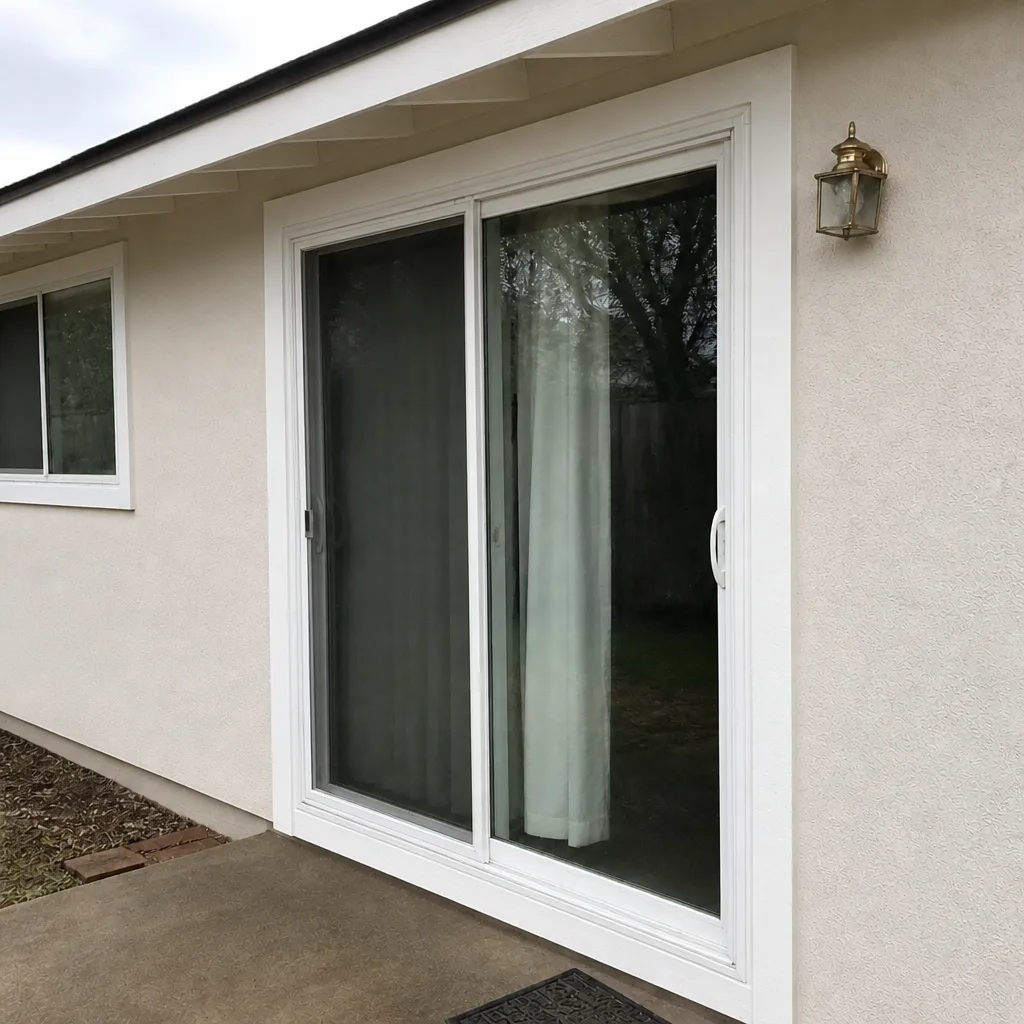
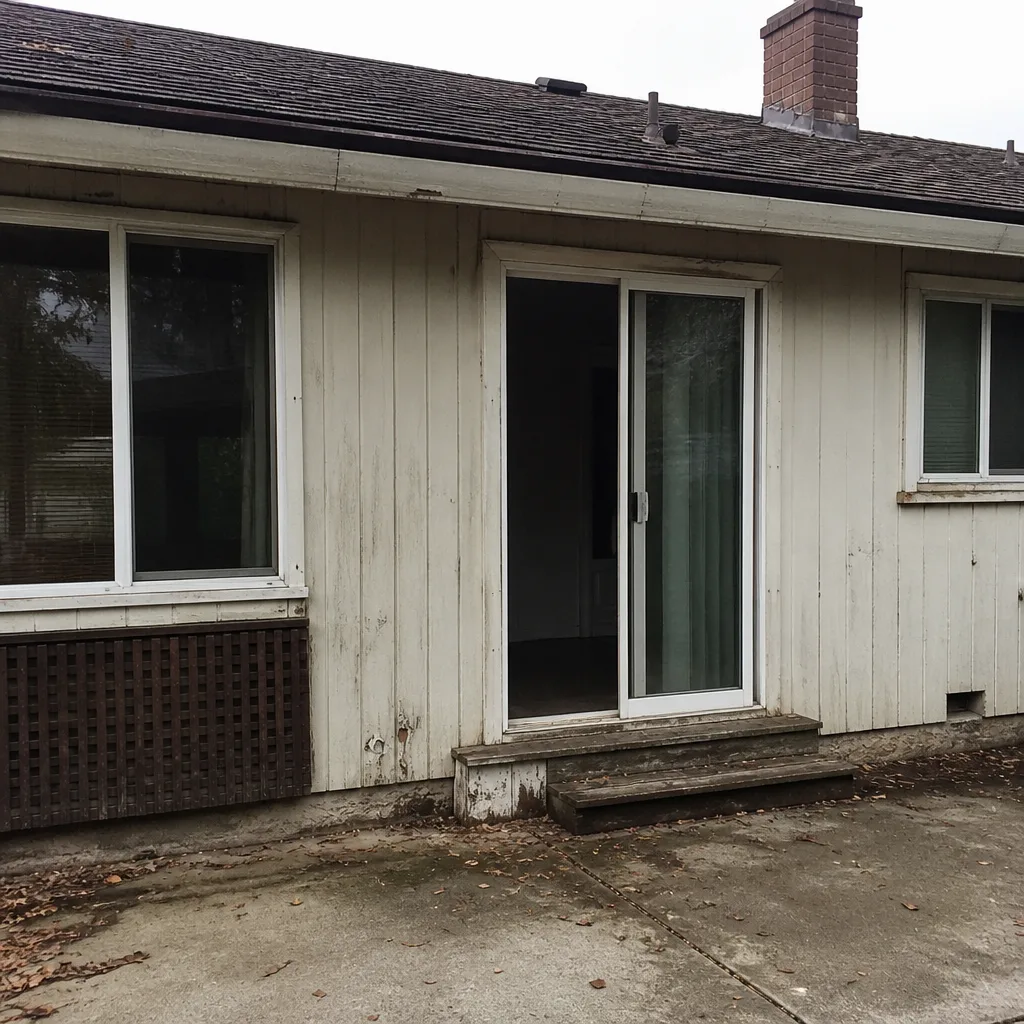
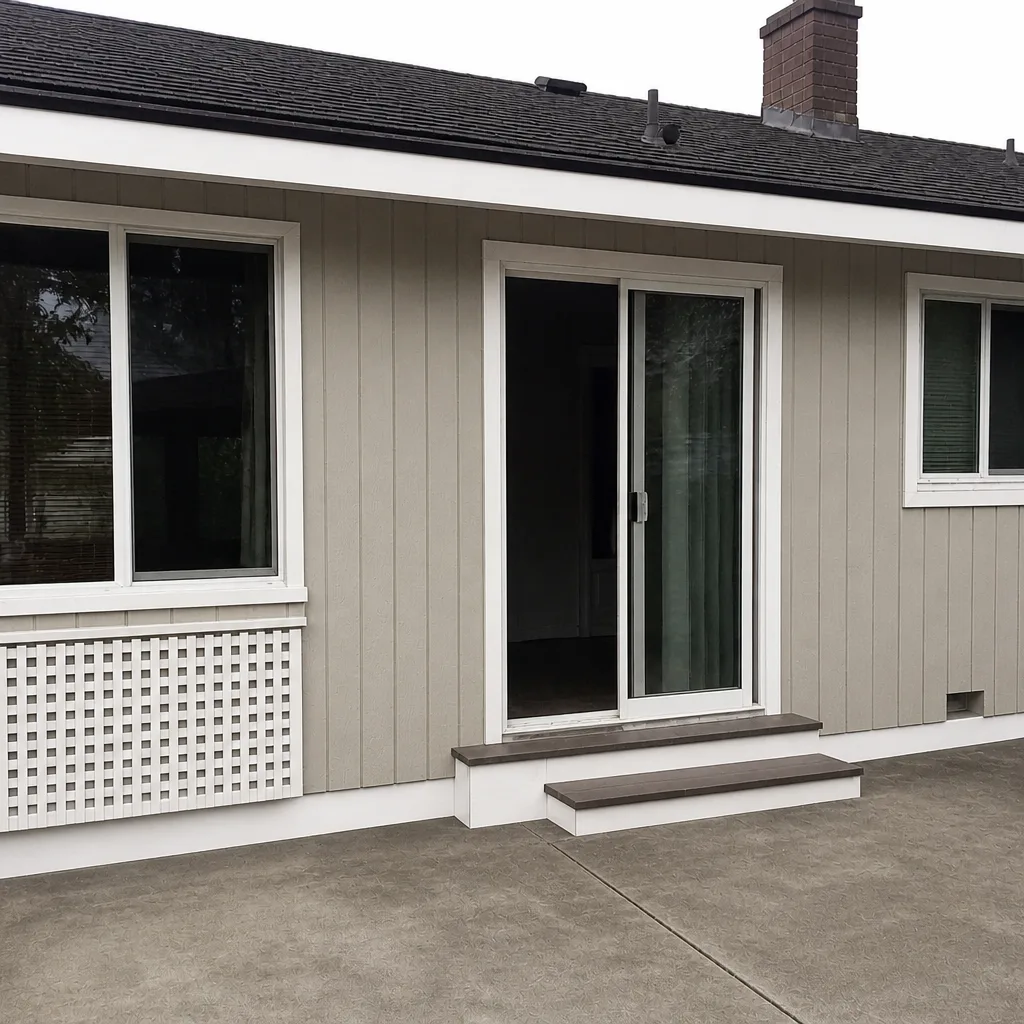
See the difference
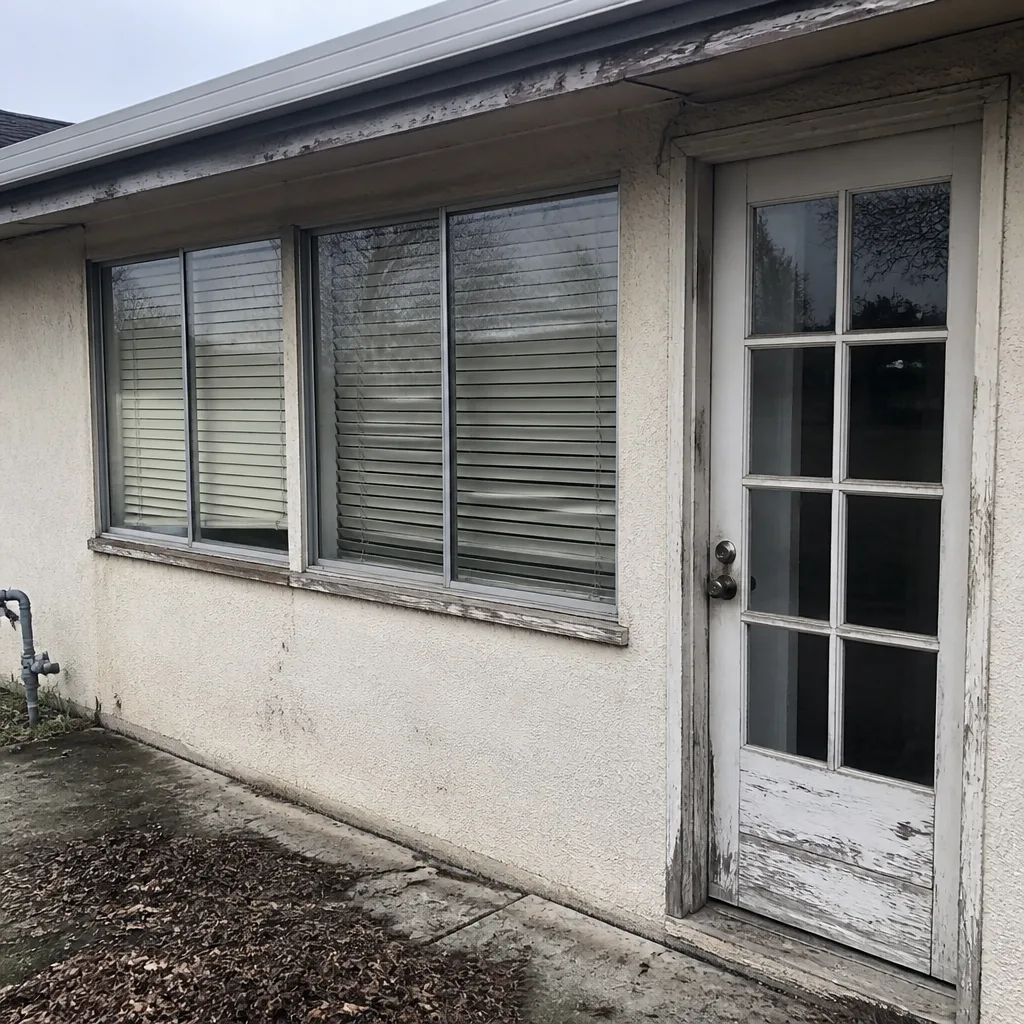 Before
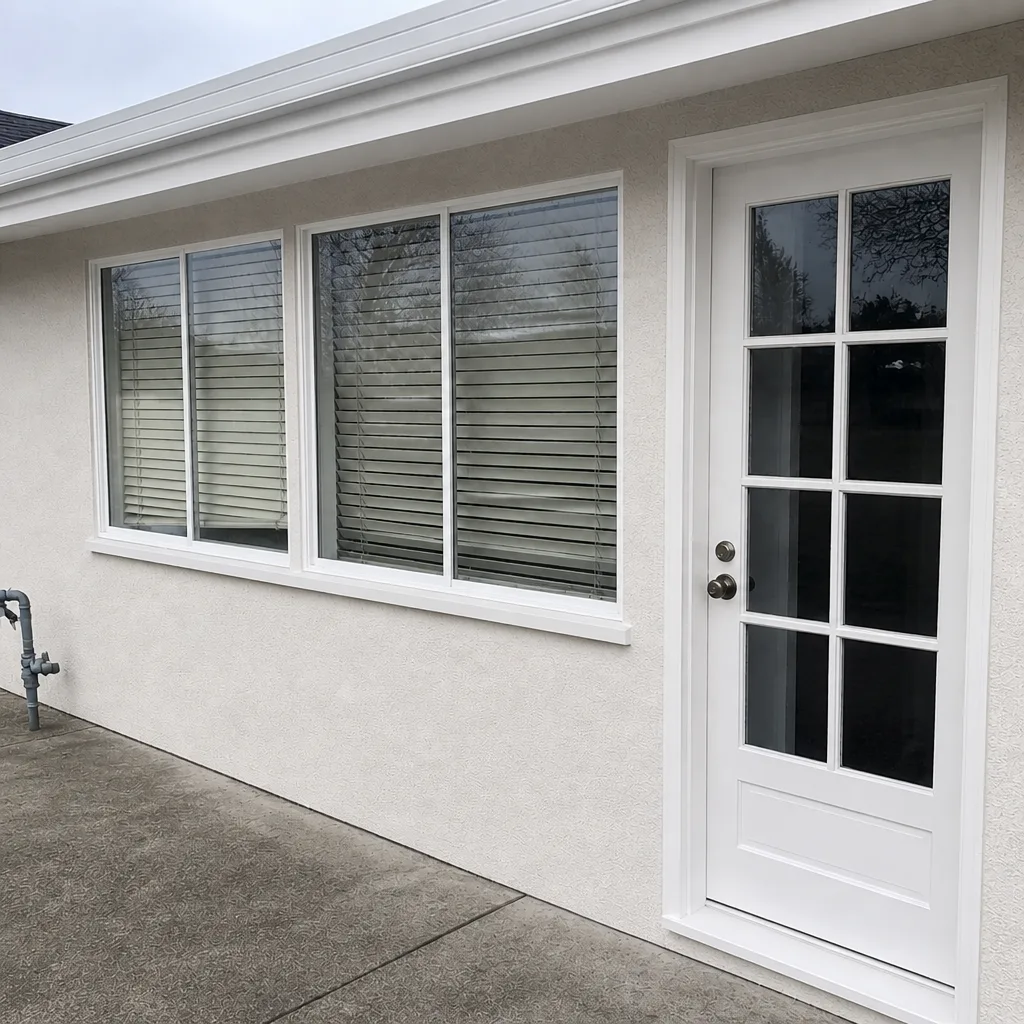 After
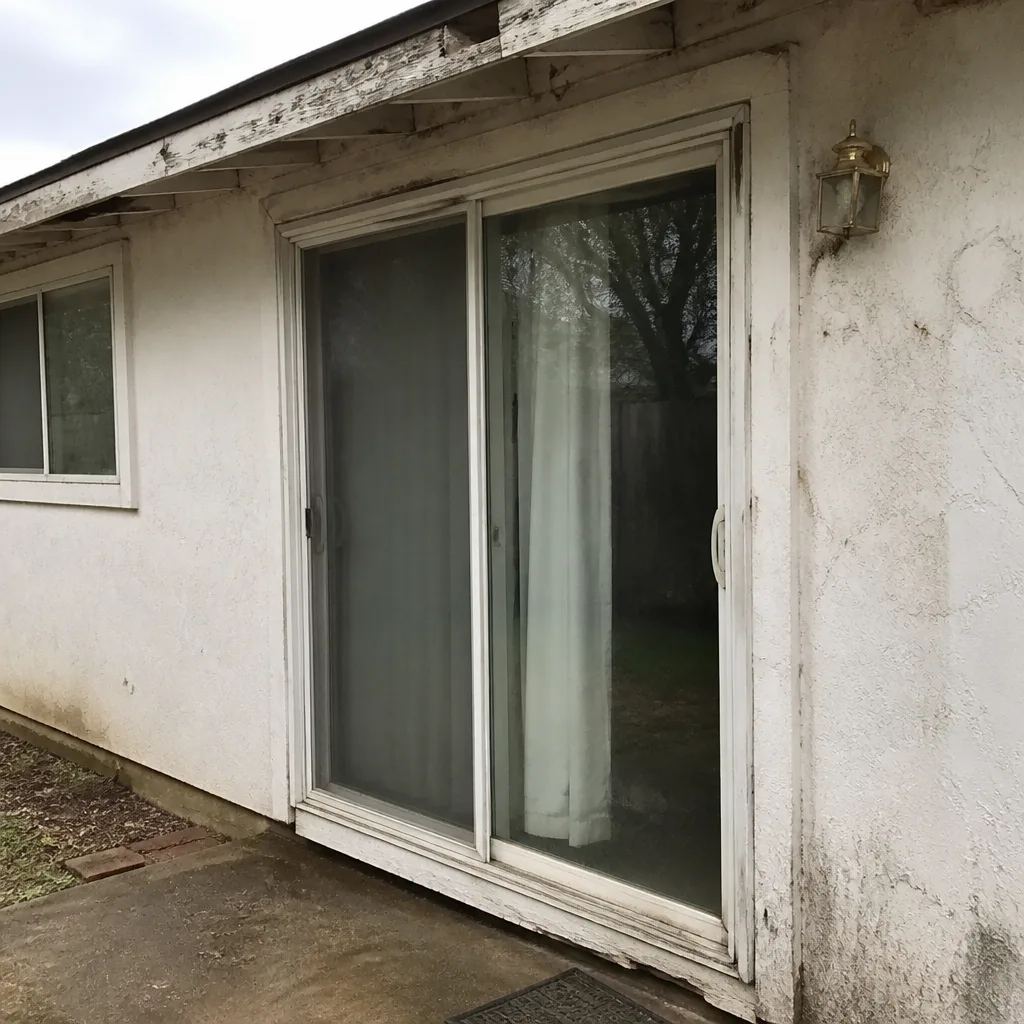 Before
 After
 Before
 After
Frequently Asked Questions
Because fall is when the daily temperature swing is largest, not when it’s hottest. A day that starts near 95°F and ends near 50°F stresses the glass and frame seals far more than a steady hot summer does, and a seal that was already weakening will show fog or haze once the nights cool.
It’s a replacement. Fog between the panes means the seal on a dual-pane unit has failed and the insulating gas has escaped. Replacement glass is the fix, and pricing one in fall is the smartest time to do it. Call (279) 321-4124 for an estimate.
Surface condensation wipes off the interior glass with a cloth and clears as the room warms. Fog between the panes doesn’t wipe off from either side and stays hazy no matter how warm the room gets. If you can’t wipe it away, the seal is gone.
No. The annual fall check catches the spots that need attention, and most years that’s a handful of caulk joints rather than a full reseal. The check itself is what matters; the work is usually a few hours at most.
Fall or spring. Both are moderate, and the work is easier on the house than mid-summer heat. Winter is possible too, but if you’ve identified a failing unit, price it in fall before it becomes urgent. Estimates are free – call (279) 321-4124.
Often, yes. Most of the failure we see in older Citrus Heights homes started as a seal or caulk joint that wasn’t checked at the season change. Catching it in fall, before the cold nights set in, is the cheapest prevention there is.
The Bottom Line
Citrus Heights isn’t the mild year-round climate people assume. Four distinct seasonal transitions stress your windows and doors in different ways: fall swing, winter fog, pre-smoke spring, and summer heat. Treat fall as the most important checkpoint, learn to tell surface condensation from failed-seal fog, seal your envelope in spring before smoke season, and keep hardware lubricated in summer. If you do these four things, you’ll prevent most of the premature failure we see in the region’s older housing stock. If you’d rather have a professional assess your windows and doors before the first cold nights, we install windows and doors exclusively and can compare PGT, CGI, CWS, ES Windows, and more side by side. Call (279) 321-4124 to schedule your free estimate.
Written by the team at Window Replacement Citrus Heights.