Last updated November 25, 2026
 Sliding glass doors
 Single hung
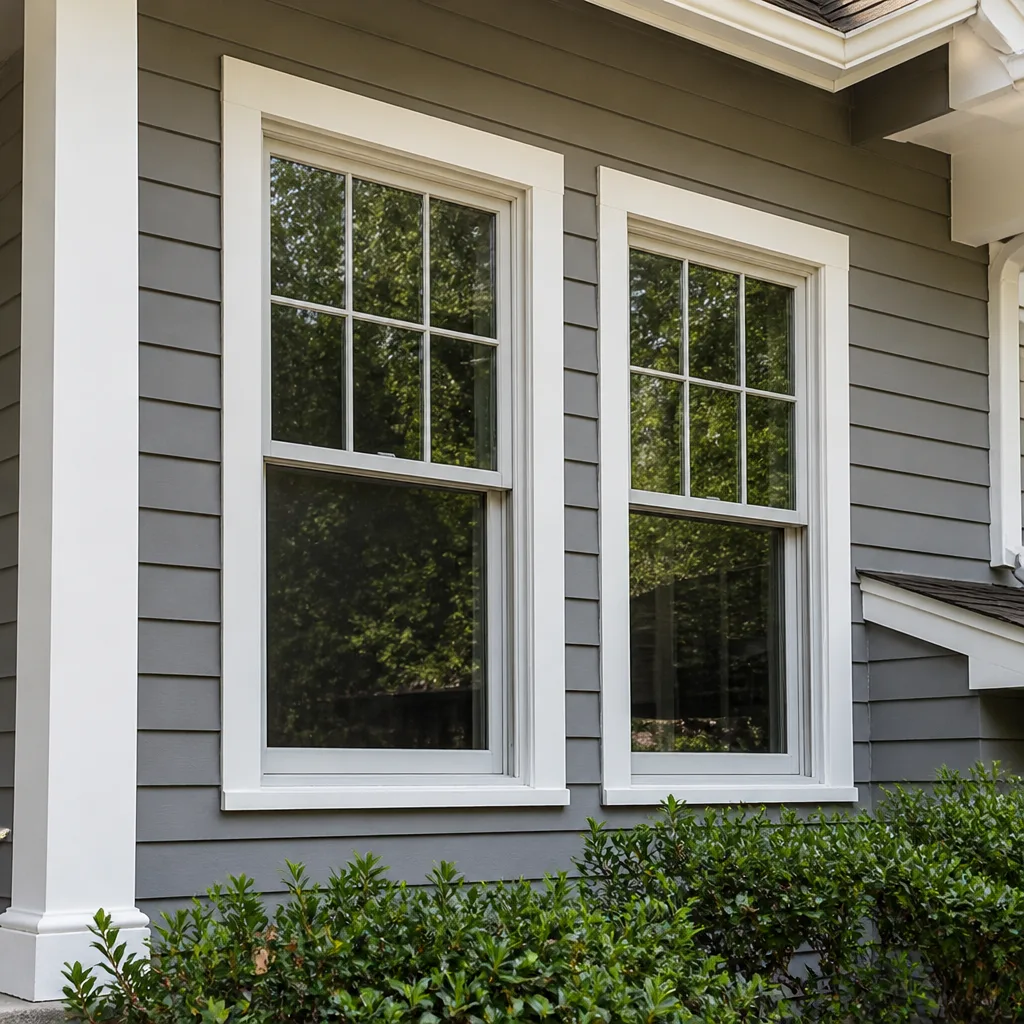 Double hung
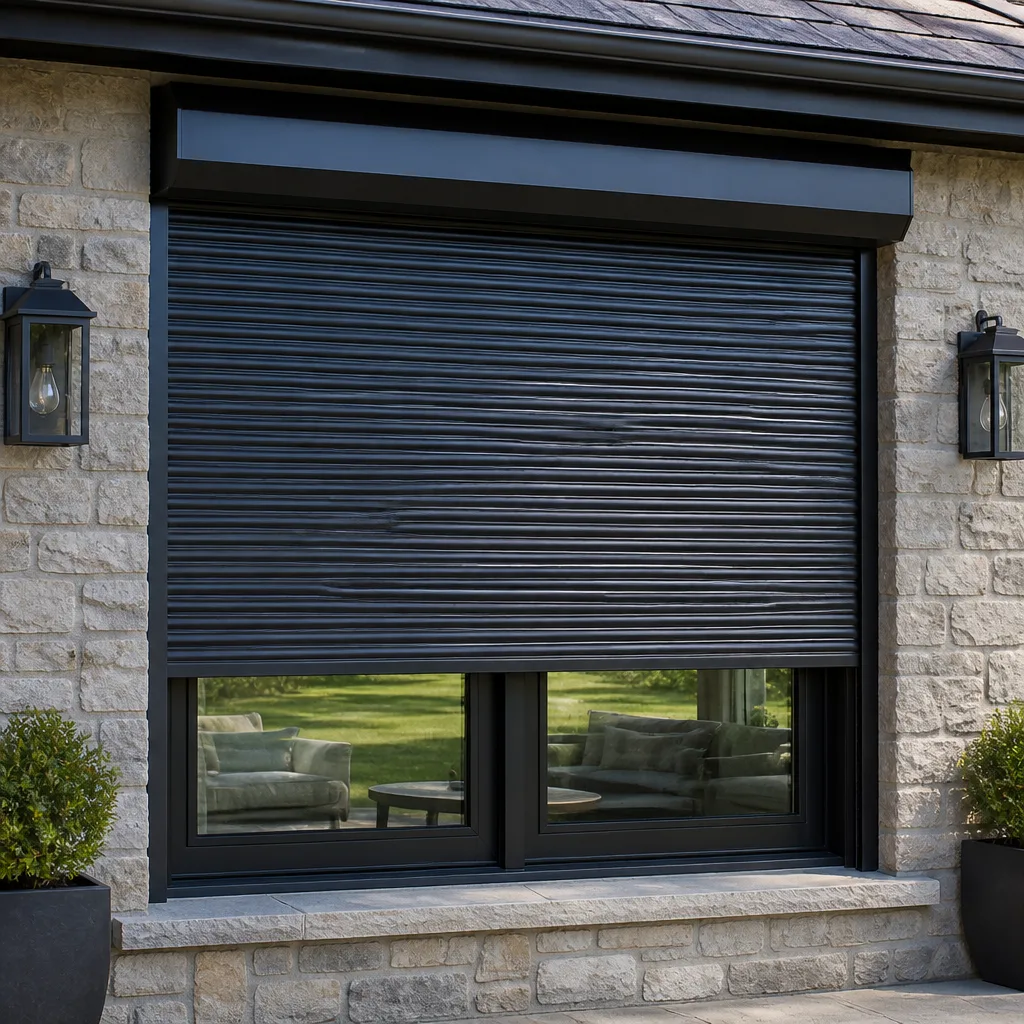 Horizontal roller
 Casement
 Bay & bow
 Entry doors
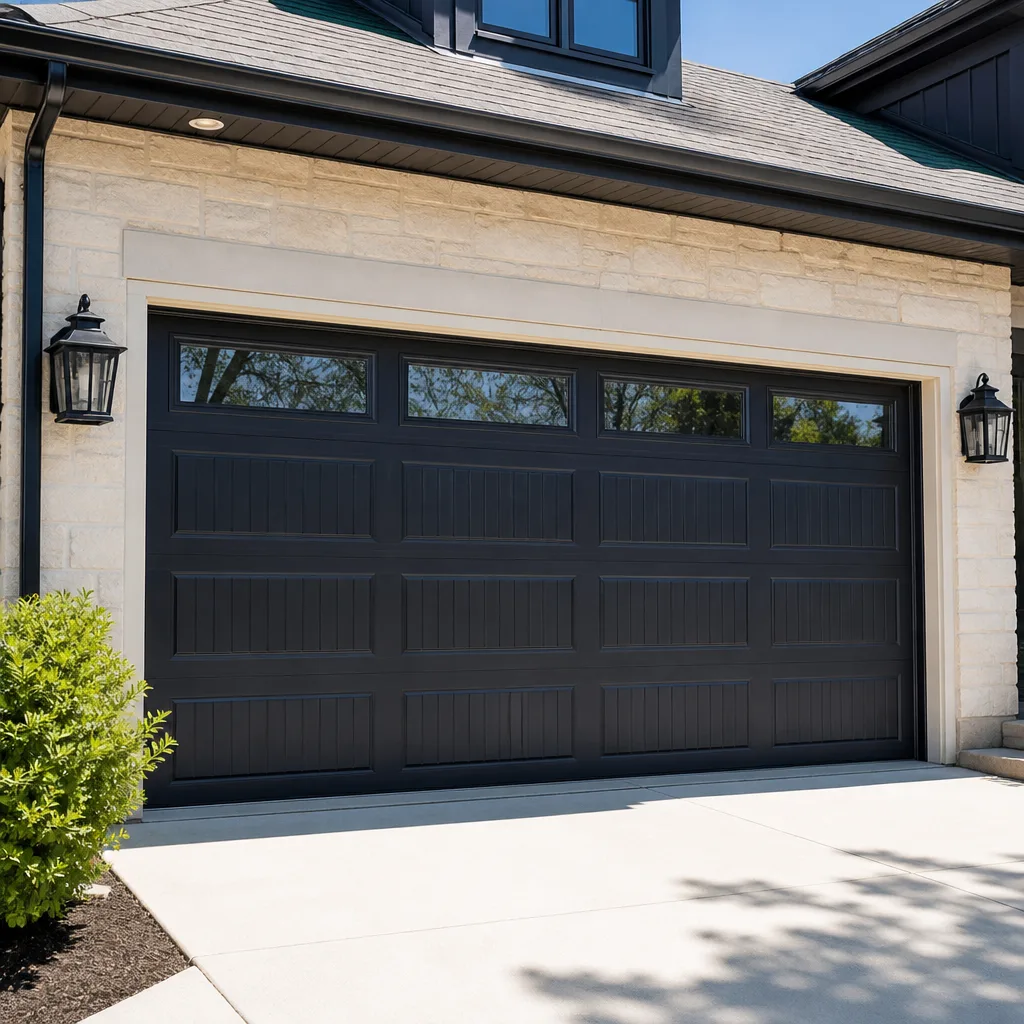 Impact garage doors
 PGT
 CGI
Free in-home measure and quote - PGT, CGI and CWS impact lines compared on your actual openings, style by style
Get your free estimateWindows & Doors Warning Signs: A Citrus Heights Homeowner’s Reference Guide
A sticky sliding door in Citrus Heights is almost never about the door. It’s about the ground moving under it. The expansive clay soils that run through this part of Sacramento County swell when they’re wet and shrink when they dry, and a summer of heat pulls that soil away from the foundation a little at a time. The house settles, the frame racks slightly, and suddenly the door that glided smoothly in April is dragging on the threshold by August. Homeowners usually blame the door and reach for the adjustment screws. That’s backwards. If you fix the hardware without understanding the cause, you’ll be fixing it again in six months. This guide maps the warning signs you’re most likely to see to what’s actually causing them, how urgent each one is, and what to do next.
Quick Answer
Most window and door problems in Citrus Heights give you weeks or months of warning before they turn into expensive failures. Fogging between panes, doors that stick only in summer, drafts around frames, and condensation on the inside of the glass are all early signals of a specific and identifiable cause. Some are cosmetic and can wait. Others point to structural movement or seal failure that gets more expensive the longer you ignore it. The trick is knowing which is which.
Styles & brands we work with
- Single hung
- Double hung
- Horizontal roller
- Casement
- Bay & bow
- Sliding glass doors
- Entry doors
- Impact garage doors
- PGT
- CGI
Table of Contents
- The Symptom-to-Cause Reference Table
- Why Citrus Heights Clay Soils Move Your Doors and Windows
- Fogging and Condensation: What They Actually Tell You
- Frame Rot: Spot-Rework vs. Full Replacement
- Your Energy Bill as a Window Warning Sign
- Warning Signs That Can Void Your Warranty
- Drafts, Gaps, and Hardware Failure
- When to Call a Professional
The Symptom-to-Cause Reference Table
Here’s the fastest way to orient yourself: match the symptom you’re seeing to its most likely cause, then check the urgency rating. Low means watch it. Medium means plan a replacement budget this year. High means stop putting it off.
- Fogging between the glass panes – failed seal on a sealed unit. Urgency: Medium. The window still works, but its insulating value is gone.
- Condensation on the inside of the glass – usually a humidity problem inside the home, not a window failure. Urgency: Low. Check ventilation before you replace anything.
- Condensation or moisture between the panes – failed seal, same as fogging. Urgency: Medium.
- Door or window sticks only in summer – soil shrinkage and frame movement. Urgency: Medium. Get it inspected, because this is the earliest sign of structural settling.
- Door or window sticks year-round and gets worse – persistent frame racking or hardware wear. Urgency: High if the gap around the frame is changing.
- Drafts around the frame – failed weatherstripping, sealant breakdown, or a frame that has pulled away from the opening. Urgency: Medium to High depending on whether you can see daylight.
- Water staining on the drywall or trim near a window – water getting behind the frame. Urgency: High. This one doesn’t wait.
- Hardware that won’t latch, lock, or hold a door closed – worn hardware or a misaligned door. Urgency: Medium. Lock failure also has a security dimension.
- Cracks in the glass or a chipped edge – impact or stress. Urgency: High for a cracked unit near a moving seam.
Print this list or screenshot it. When you start noticing more than one symptom at once, it’s usually telling you the same underlying thing: the frame has moved, or the sealed unit has failed. Those are different problems with different fixes, and that’s the distinction most homeowners get wrong. If you’d rather have a specialist look at the whole picture, window replacement Citrus Heights is the conversation to start with.
Why Citrus Heights Clay Soils Move Your Doors and Windows
Citrus Heights sits on expansive clay, and that single fact explains more door and window problems here than any other cause. Clay changes volume with moisture. In winter it holds water and swells. In the dry months it shrinks and pulls away from foundations. The slab or stem wall doesn’t move straight down like a falling elevator; it tilts, shifts, and twists just enough to rack the framing above it. A frame that’s out of square by a fraction of an inch is enough to make a sliding door drag or a casement window bind halfway through its swing.
This is why the timing of a sticky door matters so much. Ask yourself these questions:
- When does it stick? Only in late summer and early fall points to soil shrinkage. Year-round and worsening points to a frame that has already racked.
- Is it one door or several? A single sticking door could be hardware. Multiple doors and windows in the same area of the house is a structural signal.
- Are there cracks in the drywall or trim? Hairline cracks at window corners are common and usually cosmetic. Stair-step cracks or widening gaps between the frame and the wall are not.
- Does the door close flush at the top but gap at the bottom (or vice versa)? That diagonal misalignment is the classic racking pattern.
Here’s the practical takeaway: adjusting a sticky door in a settling house buys you a season, not a fix. The right move is to look at the frame and the opening, not just the hinges. If the opening itself has gone out of square, no hardware adjustment will hold it. When the frame has moved, replacing the unit with one engineered for the opening as it actually is now – not as it was when it was built – is the durable answer. In our experience, homeowners who skip this step end up calling back within the year. If you’re at that stage, window installation done right starts with reading the opening, not the catalog.
Fogging and Condensation: What They Actually Tell You
Fogging between two panes of glass means the sealed unit has failed. It’s that simple, and it’s not a cosmetic issue. Every modern window and door unit uses a sealed insulated glass unit, and that seal holds a dry gas or air gap between the panes. When the seal breaks, moisture gets in and condenses on the inside of the glass. The window still opens and closes. But the insulating value is gone, and the unit will only get worse. That’s why fogging earns a medium urgency rating: your home still functions, but you’re losing the energy performance you paid for.
The important distinction is between fogging between the panes and condensation on the glass. Condensation on the inside face is a humidity issue in the home and is almost always fixable with ventilation, better exhaust fans, or a dehumidifier. Condensation between the panes is a failed seal. Here’s how to tell them apart:
- If you can wipe it away with a cloth, it’s on the surface. That’s a humidity issue, not a window failure.
- If you can’t reach it, it’s inside the unit. That’s a failed seal and a replacement decision.
- If the fogging comes and goes with the temperature, the seal is compromised but only partially failed. It’ll still need replacing.
Seal failure doesn’t discriminate by brand. A window from CWS, a system from ECO Window Systems, or any other manufacturer can fail the same way if the unit was damaged during installation or the seal degraded over time. What matters is whether the unit is still under warranty, which we’ll get to below. In our experience, the worst thing you can do with a fogged window is nothing, because the failed unit keeps letting heat in during the summer and out during the mild winter, and the glass can degrade further.
Frame Rot: Spot-Rework vs. Full Replacement
Frame rot is the one warning sign that almost never starts on the surface, and that’s exactly why homeowners miss it. Rot begins where water sits: the sill, the bottom corners, and the joints where vertical and horizontal frame pieces meet. By the time you see soft wood or peeling paint on the face of the frame, the damage has been traveling for a while. The good news is you can inspect for it yourself in about ten minutes.
Here’s a physical inspection method you can run on any wood or wood-composite frame:
- Press a screwdriver tip into the sill and lower corners. A healthy frame resists. A soft frame gives, and that softness is early rot.
- Look at the paint at the bottom corners. Bubbling, blistering, or peeling concentrated at the sill is water getting in and pushing paint out from behind.
- Check the caulk line on the exterior. Cracked or missing caulk where the frame meets the siding is the entry point for most rot.
- Look for staining or dark discoloration on the interior trim below the sill. Water traveling inside leaves a mark.
- Probe the joints where the frame members meet. If a joint is soft, the rot is in the frame, not just the trim.
Now the judgment call: spot-rework vs. full replacement. Spot-rework makes sense when the rot is confined to the interior trim or a small area of exterior trim and the frame itself is solid. Full replacement is the answer when the rot reaches the sill, the frame joints are soft, or you find rot in more than one location on the same unit. Patching a soft frame buys a year or two at most, and the water usually comes back to the same spot. Because Citrus Heights winters are mild but wet, the water doesn’t freeze and telegraph the damage the way it would in colder climates; it just soaks in slowly and quietly. If your inspection turns up a soft sill, that’s the point to stop patching and plan a window replacement. Wood-framed entry doors are especially prone to this at the sill and threshold, which is one reason we keep door replacement in scope alongside windows.
Your Energy Bill as a Window Warning Sign
A rising energy bill is one of the most trustworthy early warning signs you have, but only if you read it correctly. The problem is that a higher bill in a hot month doesn’t prove your windows are failing. It just proves it’s hot. So how do you estimate how much of an increase is likely attributable to a failed window seal? You don’t need a lab, just a little reasoning.
The logic works like this:
- Establish a baseline. Pull your bills from the same months in the previous year, before you noticed symptoms. Compare like to like, not July to April.
- Control for the obvious variables. If you added an air conditioner, changed thermostat habits, or had a hotter-than-usual stretch, those account for part of the increase. Subtract them mentally before you blame the windows.
- Count your failed units. Every fogged window is a unit that has lost its insulating gap. If you have several failed units on the sun-facing side of the house, they’re each contributing to the load your cooling system carries.
- Check for the drafts. Drafts around the frame let conditioned air escape no matter how efficient the glass is. A drafty frame and a failed seal compound each other.
The honest answer is that you can’t attribute a precise dollar amount to any one window without a proper energy audit. But you can attribute a direction and a rank. If you have multiple fogged units, drafts around frames, and a stale bill baseline, the windows are a real contributor. If your units are clear, weatherstripping is intact, and the bill went up only during a heat wave, the windows probably aren’t the culprit. Spending on efficient glass makes the most sense when it’s paired with a good frame and a properly sealed opening. The right window for your home is the one that solves your actual priority, whether that’s storm protection, energy savings, or aesthetics, and here in Citrus Heights the energy piece tends to matter most during the long dry summers.
Warning Signs That Can Void Your Warranty
This is the section almost no homeowner’s guide covers, and it’s the one that can cost you the most. Window and door warranties are not open-ended promises. They come with conditions, and one of those conditions is usually that certain problems be reported within a specific window of time. If you notice a symptom and sit on it, you can lose coverage you already paid for.
The warning signs most likely to affect warranty coverage:
- Fogging between the panes. Most manufacturers warrant the sealed unit for a set number of years, and many require that the seal failure be reported while the unit is still under that term. Notice it, document it with a photo, and report it.
- Installation-related gaps or leaks. If water gets behind a frame because of an installation issue, the clock on reporting it usually starts when the problem appears, not when the warranty expires.
- Hardware failure that goes unreported. A latch or lock that stops working can be a warranty item, but only if you tell the manufacturer while it’s still covered.
- Damage from neglect. Rot that starts because caulk wasn’t maintained is usually excluded from coverage, even if the window itself was fine. This is the quiet one, and it’s why the inspection routine above is worth running every year.
The consumer protection point is simple and easy to forget: the burden is on you to notice and report. Keep a folder with your purchase paperwork, a photo of each symptom, and the date you first saw it. When you call, report the symptom with that date. If you’re unsure whether something is a warranty issue or a replacement decision, get a free estimate and a written line-item quote; a specialist can tell you which side of the line you’re on. It’s also worth noting that the product roster matters here. A company working with several manufacturers, including units from CWS, ES Windows, or ECO Window Systems, can help you compare what each one’s coverage actually says before you commit. Eight manufacturers, one specialist contractor, means you’re less likely to be steered into a single product line to fit someone’s stock.
Drafts, Gaps, and Hardware Failure
Drafts and hardware failure are the two warning signs homeowners most often treat as annoyances instead of symptoms. Both are screaming at you about a specific cause, and once you know what to look for, you can diagnose them in minutes.
Start with the draft. A draft around a window or door can come from three places, and each one has a different fix:
- The weatherstripping. Run your hand around the full perimeter of the opening on a breezy day. If the leak is at the seal between the sash and the frame, it’s weatherstripping.
- The caulk line between frame and wall. If the leak is at the outer edge, it’s the seal where the frame meets the opening.
- The frame itself. If you can see daylight at a corner or the gap changes with the season, the frame has pulled away or racked. That’s a structural symptom, not a weatherstripping problem.
Now the hardware. A lock that won’t engage, a handle that turns but doesn’t latch, or a sliding door that jumps its track are all telling you the door has gone out of alignment. Sometimes the hardware is simply worn and the fix is a new piece. But when hardware failure shows up alongside a sticking door or a gap at one corner, it’s the same settling problem we talked about earlier wearing a different mask. Mr-Glass and similar specialty-glass lines exist for the cases where the glass is the issue; the hardware tells you the frame is.
One thing worth checking yourself before you conclude a window is failing: the operable parts. A casement that won’t crank is often a crank that’s stripped, which is not a glass failure at all. A double-hung that won’t stay up is usually a balance issue. Those details separate a repair decision from a replacement decision, and getting it right saves you money. Our technicians have up to 8 years of experience reading those signals, and a free estimate is where you get a straight answer.
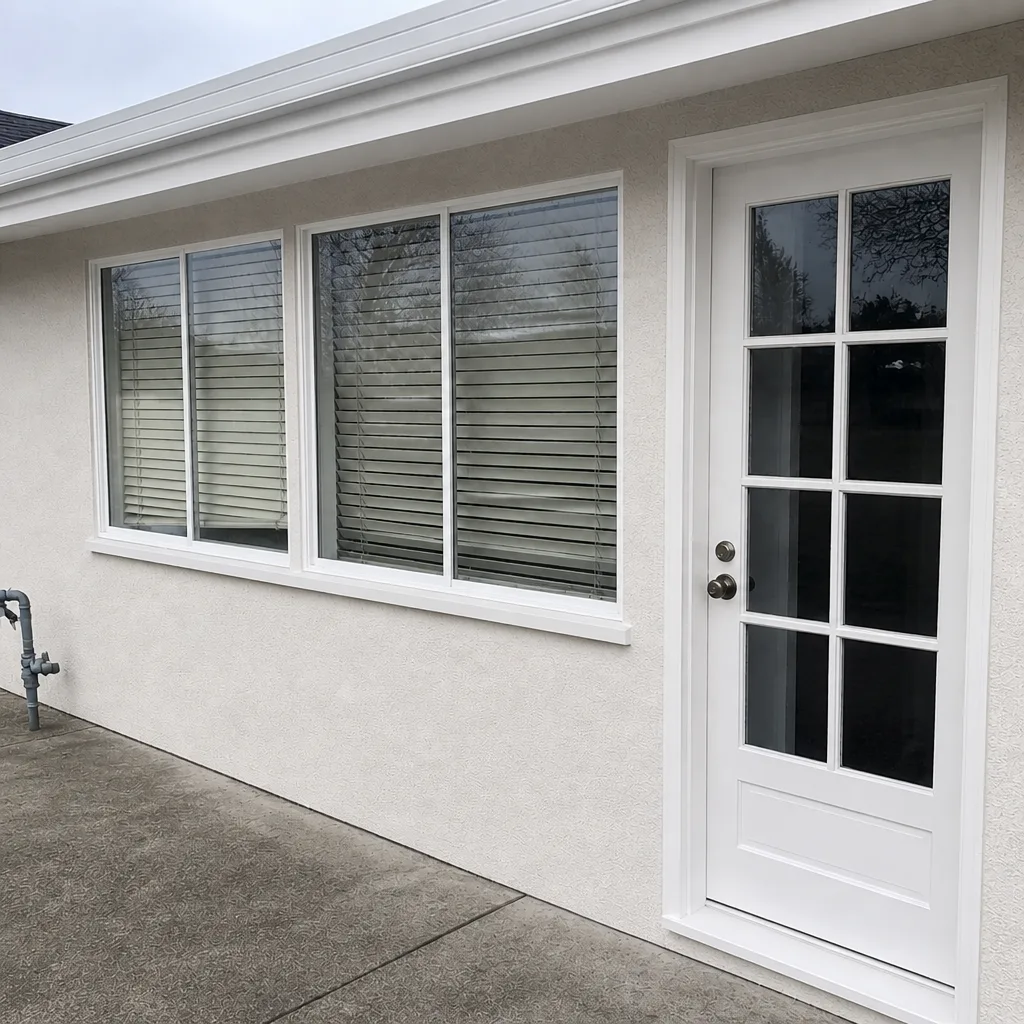
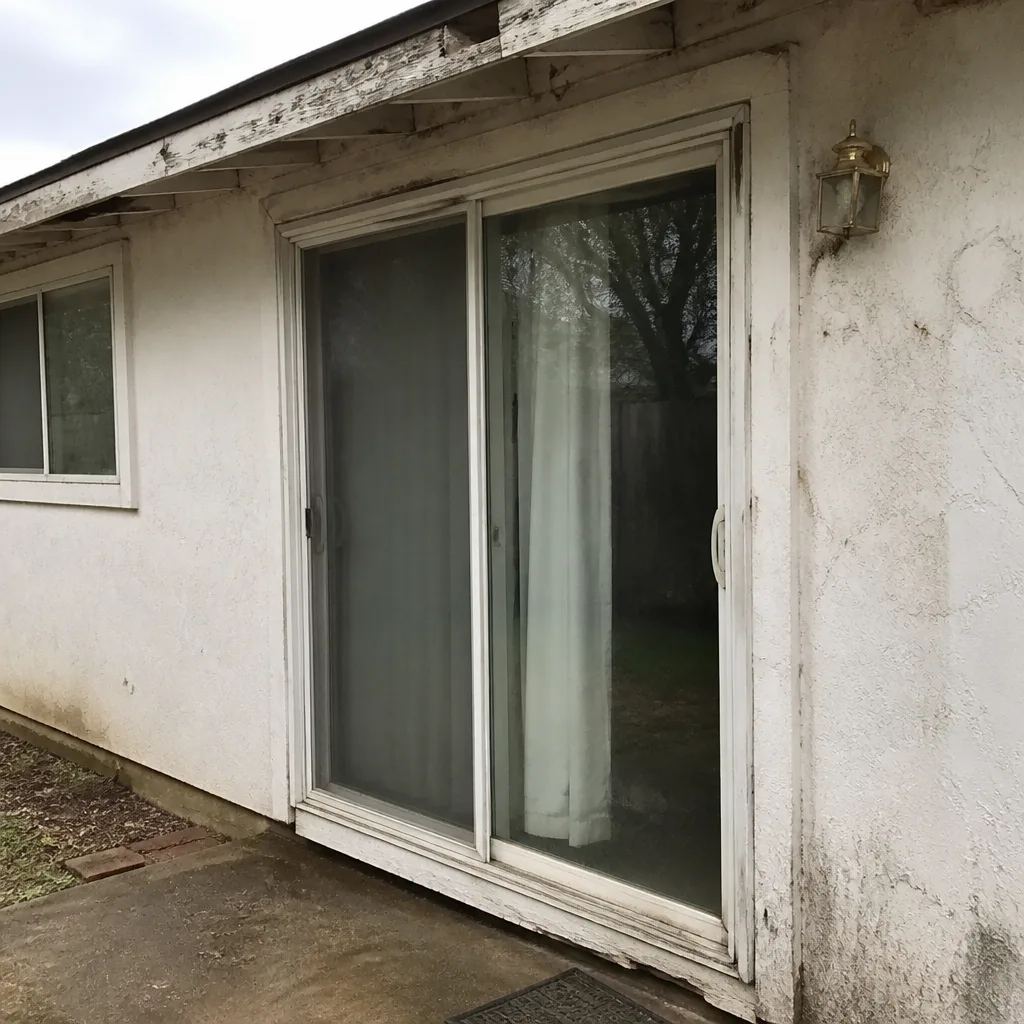
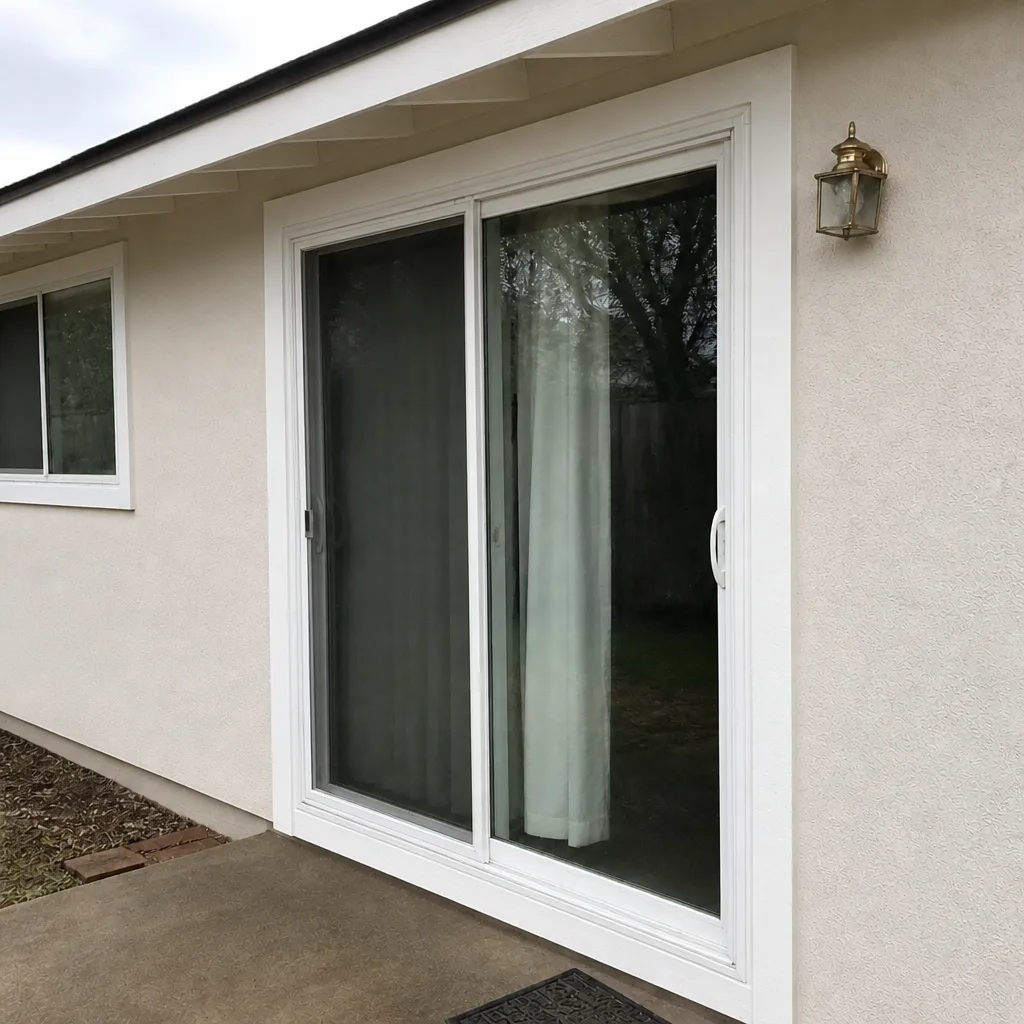
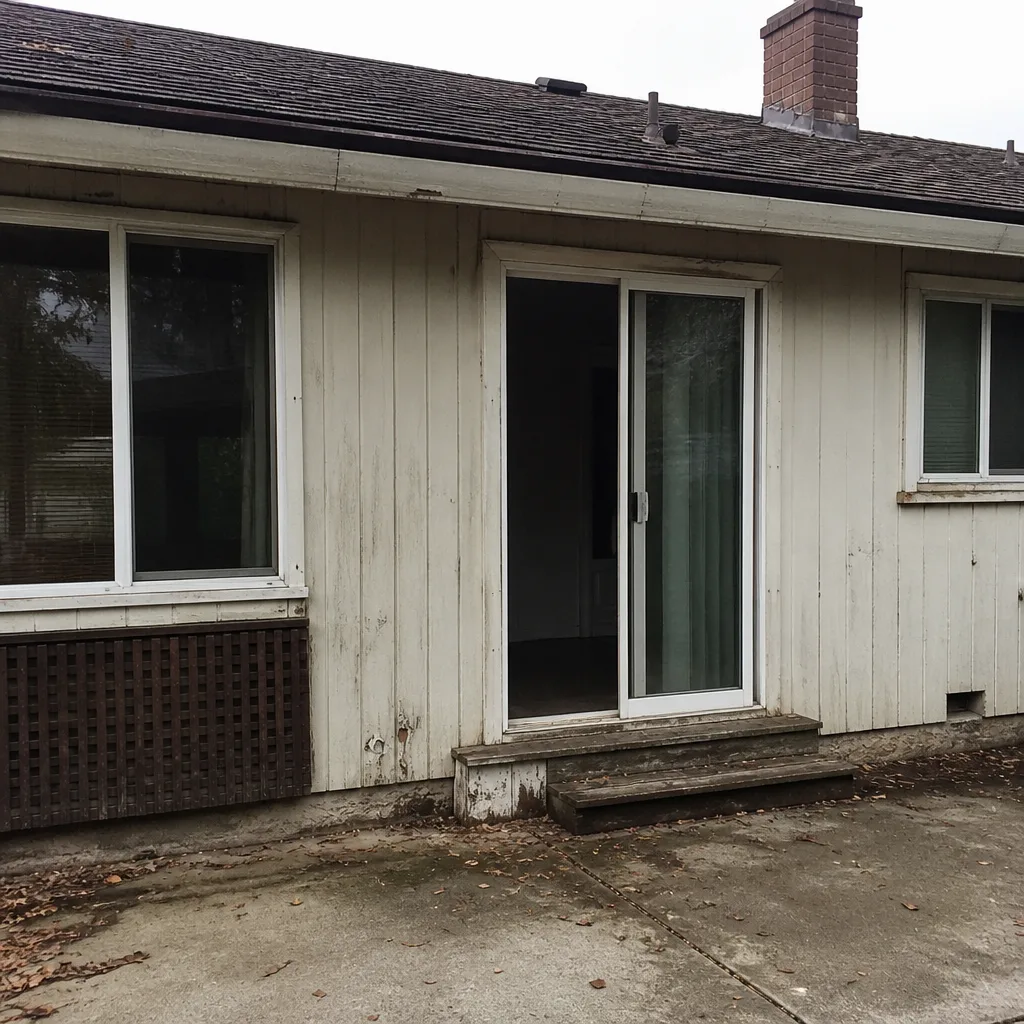
See the difference
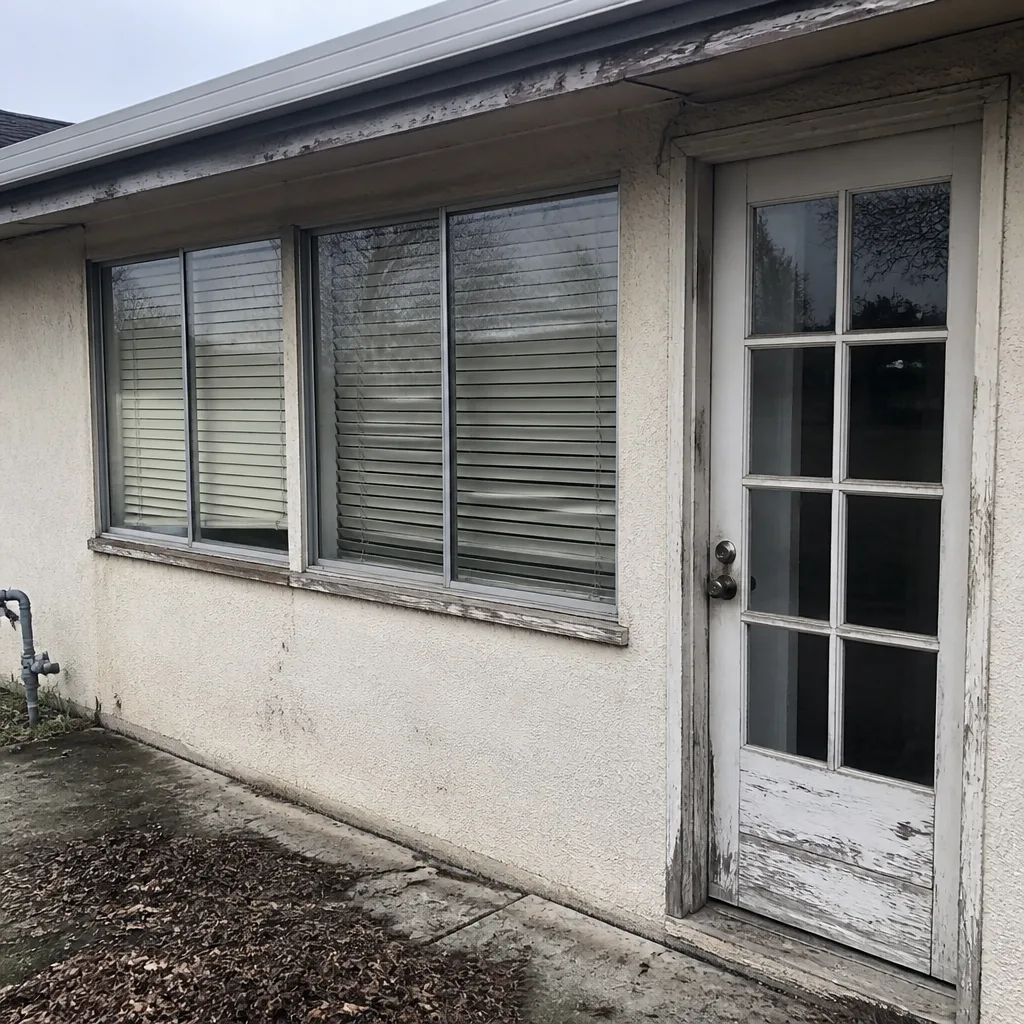 Before
 After
 Before
 After
 Before
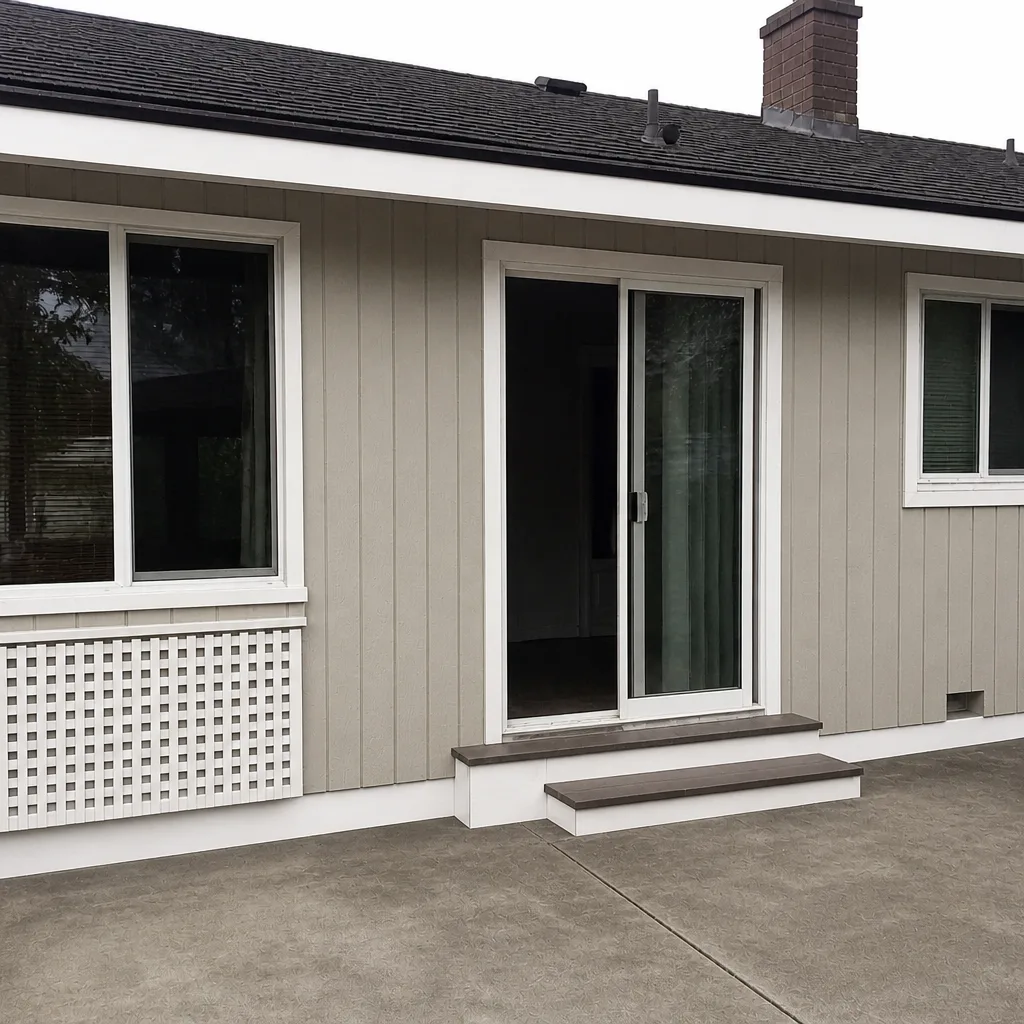 After
Common Mistakes to Avoid
- Adjusting a sticky door without checking the frame. You’ll make the door work smoothly for a season, then watch it stick again when the soil shrinks. Fix the cause, not the symptom.
- Treating fogging as a cleaning problem. Fog between the panes can’t be cleaned. Wasting effort on it delays the warranty claim that might actually cover it.
- Ignoring a small draft until it becomes a water stain. A draft is air, but the same failed seal often lets water in. Deal with the leak before the drywall turns orange and the repair gets bigger.
- Patching a soft frame with caulk and calling it done. Caulk covers the symptom. If the sill is soft, the water is still getting in behind it.
- Assuming the energy bill is all windows. Before you replace units, rule out HVAC issues, thermostat habits, and a hotter-than-usual summer. A misdiagnosis here is expensive.
- Sitting on a symptom and letting the warranty term run out. Most coverage requires you to report a problem while it’s still under warranty. Document and report early.
- Buying the first brand a single-dealer shop carries. Getting the right window for Citrus Heights means comparing impact lines from PGT or CGI against energy-focused systems from ECO Window Systems, not settling for whatever’s on the floor. That’s why we keep eight manufacturers on our roster rather than one.
When to Call a Professional
Call a professional when you see water staining near a frame, when a door sticks year-round and the gap is widening, when hardware failure comes with a misaligned frame, or when you can’t tell whether a symptom is cosmetic or structural. Those are the four scenarios that most often hide something more serious. Reading the opening and the frame takes experience; a free estimate gives you a written line-item quote so you know what you’re dealing with before you spend. Window Replacement Citrus Heights offers free estimates in Citrus Heights. Call (279) 321-4124 to schedule yours. We work with eight manufacturers and handle window replacement, window installation, sliding door replacement, and entry door replacement, so the conversation stays with one specialist instead of getting handed off between trades. If your inspection turns up fogging across several units or a sill that gives under a screwdriver, don’t wait out the season. Let’s map the symptoms to the fix.
Frequently Asked Questions
Condensation on the inside surface of the glass wipes away and usually means the humidity in your home is too high. Fogging between the panes can’t be wiped off and means the sealed unit has failed. The first is a ventilation issue; the second is a replacement decision. If you’re not sure which you have, call (279) 321-4124 for a free estimate and a straight answer.
Summer sticking usually points to expansive clay soil shrinking as it dries, which lets the house settle slightly and racks the door frame just enough to make the door drag. That’s a movement problem, not a hardware problem. Adjusting the hardware won’t hold because the frame keeps moving. Have the frame and opening checked before you replace the door.
Probe the sill and lower corners with a screwdriver tip. If the wood resists, the rot is likely confined to the trim and can be spot-reworked. If it gives, the rot has reached the frame and full replacement is the right call. Also check for staining on the interior trim and cracked caulk lines on the exterior, since those show where the water got in.
It can contribute, but you have to separate it from other variables. Compare the same months across years, factor out HVAC changes and heat waves, then count your fogged units and check for drafts. Several failed seals on the sun-facing side add real load to your cooling system. An audit gives you the precise number; the symptom list tells you whether it’s worth the call. For an exact quote, call (279) 321-4124; estimates are free.
It can. Most manufacturers warrant the sealed unit for a set number of years and require that seal failure be reported while the unit is still under that term. If you notice fogging and wait, you may lose coverage. Document each symptom with a photo and the date, and report it as soon as you see it. If you’re unsure where you stand, get a free estimate and a written line-item quote before the window closes.
Replace the failed ones first, then plan the rest based on age and symptoms. If you have one fogged unit and otherwise clear glass, one replacement makes sense. If you have several failed seals, drafts around frames, and soft sills, a whole-home plan is usually more cost-effective than piecemeal work. The right window for your home depends on whether you’re prioritizing storm protection, energy savings, or aesthetics. We take replacement and installation jobs of three openings or more, so call (279) 321-4124 to talk through scope and get a free estimate.
The Bottom Line
The takeaway is that every window and door symptom has a cause, and the cause tells you the urgency. Fogging between the panes is a failed seal. Sticking doors and windows that change with the season point to Citrus Heights clay soil and frame movement. Frame rot you can probe in minutes and decide between spot-rework and replacement. Rising energy bills need context before you blame the glass. And every one of these symptoms has a warranty clock, so report early. Reading symptoms correctly is what changes what you do next. When you’re ready, call (279) 321-4124 for a free estimate.
Written by the team at Window Replacement Citrus Heights.