Last updated November 25, 2026
 Single hung
 Double hung
 Horizontal roller
 Casement
 Bay & bow
 Sliding glass doors
 Entry doors
 Impact garage doors
 PGT
 CGI
Free in-home measure and quote - PGT, CGI and CWS impact lines compared on your actual openings, style by style
Get your free estimateWindow Replacement Maintenance Checklist for Citrus Heights Homeowners
The number one reason double-pane windows fail early in Citrus Heights isn’t a bad installation. It’s deferred maintenance on weatherstripping and frame drainage channels. When those small parts get ignored, heat builds up around the glass edge, the seal degrades faster, and by the time you notice fogging between the panes, the damage is already done. Most homeowners don’t learn this until they’re pricing new glass. This guide gives you a task-by-task checklist organized by frequency, tuned to the specific stressors of the Sacramento Valley: UV load, hard water, and extreme heat cycles. You’ll learn what to inspect, what to log, and what to leave to a professional.
Quick Answer
A Citrus Heights window maintenance routine should include monthly checks of weatherstripping and weep holes, quarterly cleaning of glass and drainage channels with a low-E-safe method, and an annual inspection of frame corners and seals before fogging appears. Log every task with a date, because most California manufacturer warranties require documented maintenance to stay valid. The goal is failure prevention, not reaction.
Styles & brands we work with
- Single hung
- Double hung
- Horizontal roller
- Casement
- Bay & bow
- Sliding glass doors
- Entry doors
- Impact garage doors
- PGT
- CGI
Table of Contents
- Why Citrus Heights Windows Age Differently
- Monthly Tasks: The Ten-Minute Check
- Quarterly Tasks: Cleaning and Drainage
- Annual Tasks: Seals, Frames, and Hardware
- How to Spot Seal Failure Before Fogging Starts
- Removing Hard Water Deposits Without Damaging Low-E Glass
- Weep Holes and Why Dry Summers Cause Winter Water Damage
- What Voids California Window Warranties (and What to Log)
Why Citrus Heights Windows Age Differently
Citrus Heights sits in the Sacramento Valley, and that geography shapes how windows wear. Summers push triple-digit heat for weeks at a time. Winters stay mild and wet. That swing is the stressor. Glass, frame, and sealant all expand and contract at different rates through the year, and every cycle puts a little more strain on the edge seal that holds a double-pane unit together. Homes in Sunrise Ranch, Rusch Park, and the older tracts off Greenback Lane feel this the same way, regardless of the window brand.
UV exposure does the quieter damage. Valley sunlight is strong and direct for most of the year, and it breaks down the polymer seals and weatherstripping faster than in cooler climates. Hard water is the third factor. The local water supply leaves mineral deposits on glass and in drainage channels, and those deposits trap moisture against the frame. Left alone, they accelerate seal failure and, on low-E glass, can etch the coating if scrubbed wrong.
What this means for you: a Citrus Heights maintenance schedule has to prioritize the parts that manage heat, water, and UV, not just the glass you can see. The checklist below is organized by how often you should do the work, not by season, because the valley doesn’t give you a clean four-season rhythm. July and January ask different things of your windows, and the maintenance has to answer both.
Monthly Tasks: The Ten-Minute Check
Once a month, walk your windows and doors and look for changes. This is a check, not a cleaning. Ten minutes for a whole house is enough, and it catches the small failures that turn into replacements.
- Run a finger along the weatherstripping. It should feel springy, not brittle or flat. Any section that crumbles or stays compressed after you press it needs replacing, and it’s a cheap part to swap before it lets heat and water in.
- Press the glass at the corners. A firm, even push. If the pane feels loose in the frame, or you hear a rattle, the glazing seal may be failing.
- Look into the weep holes. These are the small slots at the bottom of the frame that let water drain out. Shine a light through. If you can’t see daylight, they’re clogged.
- Open and close each operable window once. Sliding and casement windows should move without forcing. Sticking is an early sign of track debris or hardware wear.
- Check for condensation on the room-side glass in the morning. Light film that clears is normal. Persistent moisture that beads and runs suggests the interior humidity is high or the seal is compromised.
- Note anything that changed since last month. Write the date. This log matters later for warranty coverage.
Monthly checks are the highest-value part of the whole routine. They cost you nothing but attention, and they’re the difference between catching a bad seal early and discovering fogging after the unit is already gone.
Quarterly Tasks: Cleaning and Drainage
Every three months, do a real cleaning pass. This is where Citrus Heights homeowners can do the most good, and where the most damage happens when it’s skipped.
- Clear the drainage channels. Use a soft brush or a vacuum with a brush attachment. Debris collects in the channel at the bottom of the frame, and in the valley’s dry summers that debris bakes in and hardens.
- Flush the weep holes with water. A squeeze bottle works better than a hose. Watch the water exit on the exterior side. If it pools, the channel is still blocked.
- Clean the glass with a low-E-safe method. Wipe before you spray. Mineral dust becomes an abrasive if you scrub it dry. Use a mild, pH-neutral cleaner, never ammonia or an acid-based product on coated glass.
- Wipe down the tracks and sills. A damp cloth and a dry follow-up. Standing moisture in a track is what starts frame rot and corrosion.
- Inspect and lubricate sliding hardware. A silicone-based lubricant on rollers and tracks, not oil, which attracts grit.
- Check the exterior sealant line. Look for cracks where the frame meets the stucco or siding. Small cracks are a re-caulk job. Big gaps mean water is already getting in.
Quarterly cleaning is also when you should re-check your log and note any pattern. If the same window keeps fogging at the corner, that’s not random. It’s telling you something about how that unit sits in the wall.
Annual Tasks: Seals, Frames, and Hardware
Once a year, go deeper. This is the inspection that catches the problems monthly checks can’t.
- Inspect every frame corner. Corners are where seal failure starts. Look for gaps, discoloration, or a hairline crack in the sealant between the glass and the frame.
- Test the seal with the thermal feel test. On a cool morning, run the back of your hand slowly across the glass. A cold patch near an edge is a sign of seal failure even if you can’t see fog yet.
- Check the frame for warping. Lay a straight edge along the interior sill. A gap means the frame has moved, which usually traces back to heat cycles or water intrusion behind the wall.
- Inspect door weatherstripping and sweeps. The same maintenance logic applies to your entry and sliding doors. A worn sweep on a patio slider lets water past the threshold.
- Review your maintenance log against the manufacturer’s care requirements. Most warranties require documented upkeep. If you can’t show it, a claim can be denied.
- Decide what’s routine and what’s a repair. A worn sweep is routine. A failed seal on a double-pane unit is a replacement, not a repair, and we can walk you through what that involves.
Annual inspection is the natural point to think about the long term. If a window has had three bad seasons and the seal is going, a maintenance log won’t save it. That’s when a window replacement plan makes more sense than another round of patching.
How to Spot Seal Failure Before Fogging Starts
The fogging between panes is the last stage of seal failure, not the first. By the time you see it, the gas fill that gives the unit its insulating value is already gone. Catching it earlier takes two simple checks.
The thermal feel test. On a cool morning, before the sun hits the glass, pass the back of your hand slowly over the pane. You’re feeling for a cold spot near the edge or a section that’s noticeably cooler than the center. A cold band along an edge usually means the perimeter seal has begun to fail. It’s not a diagnosis, but it’s a reason to look closer.
Frame corner inspection. Look at each corner where the glass meets the frame. The sealant should be uniform, with no gaps, cracks, or milky discoloration. Run a fingernail gently along the seam. If it catches on a gap, the seal is compromised even if the glass still looks clear.
Early seal failure in Citrus Heights also shows up as interior condensation on cool mornings. A light film that clears is normal. Water that beads and drips on the room side, especially near a corner, is a warning sign. Catch it here and you have a maintenance decision. Miss it and you have a replacement decision. That distinction matters, and we talk through it honestly with every homeowner. There’s no point selling a window you don’t need, and there’s no point pretending a failing one is fine.
Removing Hard Water Deposits Without Damaging Low-E Glass
Hard water is a real maintenance issue in the Sacramento Valley, and the usual glass cleaner won’t touch mineral deposits. Worse, scrubbing them with an abrasive or an acid-based product can damage the low-E coating, which is the thin layer that makes the glass energy-efficient. The coating is on the interior surface of the sealed unit, but the exterior glass still needs care, and back units can be coated on the outside face.
- Rinse first, always. Flush the glass with plain water to lift the loose mineral dust. This is the step people skip, and it’s the one that prevents scratches.
- Use a mild, pH-neutral cleaner. Never ammonia, never vinegar, never an acid-based bathroom product on coated glass.
- Soak, don’t scrub. For mineral deposits, saturate the glass with a cleaner and let it sit for a minute. Then wipe with a soft microfiber cloth. Hard scrubbing is what etches glass and damages the coating.
- Skip the squeegee on coated glass. A microfiber cloth is less likely to drag a trapped grit particle across the surface.
- Dry the frame after cleaning. Standing water in the sill or track undoes the job you just did.
If deposits are heavy or already etched into the surface, that’s not a cleaning problem anymore. It’s a glass or unit condition, and we can assess it honestly. Some of the impact and energy-focused products we install, including CWS and ES Windows systems, use coatings that need the same gentle approach, so the method matters regardless of brand.
Weep Holes and Why Dry Summers Cause Winter Water Damage
Weep holes are the small drainage slots at the bottom of most window and door frames. Their job is to let water escape that gets behind the exterior seal. When they’re clear, water drains out and the frame dries. When they’re blocked, water sits in the frame until it finds a path into the wall. That’s where the dry-summer-to-wet-winter connection gets expensive.
In Citrus Heights, summer is dry and dusty. Dust, pollen, and yard debris collect in the channels and bake into a hard layer. Homeowners don’t notice because it never rains. Then the winter storms arrive, water reaches the blocked channel, and it has nowhere to go. The damage shows up months after the cause.
Clearing weep holes is a quarterly task, and it takes minutes. Run a soft brush through the channel, flush with water, and confirm the water exits on the exterior side. Never seal or caulk over a weep hole. That’s a common mistake made during DIY caulking jobs, and it traps water inside the frame. If you’re having doors or windows installed, ask the crew to confirm the weep holes are clear before the job wraps. It’s part of our install check with every product, from CGI to ECO Window Systems.
Door frames have the same issue. A sliding patio door’s threshold has drainage, and a blocked threshold lets water back up into the track and eventually the subfloor. If your patio door has been stubborn to slide, that’s often the first sign.
What Voids California Window Warranties (and What to Log)
Most manufacturer warranties cover defects in materials and workmanship, not damage from neglect. That’s the distinction that catches homeowners. A window that fails because the seal defect is covered. A window that fails because drainage was blocked for three years is usually not. California’s warranty rules lean on documentation, so keep a log.
What commonly voids coverage:
- Harsh chemicals or abrasive cleaners used on coated glass, which damage the low-E surface.
- Pressure washing that forces water behind the frame.
- Sealing over weep holes, which blocks drainage and causes the water intrusion the warranty excludes.
- Improper installation, which is why the installer’s workmanship warranty matters separately from the manufacturer’s product warranty.
- Neglect of weatherstripping that lets moisture in against the frame.
What to log: date and type of each cleaning, date and result of each drainage flush, notes on any hardware you replaced, and photos of the frame corners each year. A simple spreadsheet works. When you have a claim, that log is the difference between a covered replacement and a denied one.
Different brands draw the line in different places. Understanding the care requirements for your specific product, whether that’s a Therma-Tru entry system or a ViewLux specialty glass unit, is part of keeping it covered. If you’re not sure what your warranty requires, ask.
Common Mistakes to Avoid
- Sealing over weep holes with caulk. It looks tidy and it’s the quickest way to trap water inside a frame. Always leave the drainage slots clear.
- Scrubbing hard water deposits dry. Mineral grit becomes an abrasive, and it scratches glass and etches low-E coatings. Rinse first, soak, then wipe.
- Using vinegar or ammonia on coated glass. Both can damage the coating. Stick to pH-neutral cleaners.
- Waiting for fogging before inspecting the seal. Fogging is the last stage. The thermal feel test and corner inspection catch it early.
- Skipping the log. California manufacturers often require documented maintenance. No log, no coverage in some cases.
- Assuming the drainage will clear itself. In the valley’s dry summers, debris bakes in and stays. Clear it quarterly.
- Treating a failed seal as a repair. A blown double-pane unit is replaced, not repaired. If yours has failed, a window installation is the realistic path, and we’re upfront about it.
See the difference
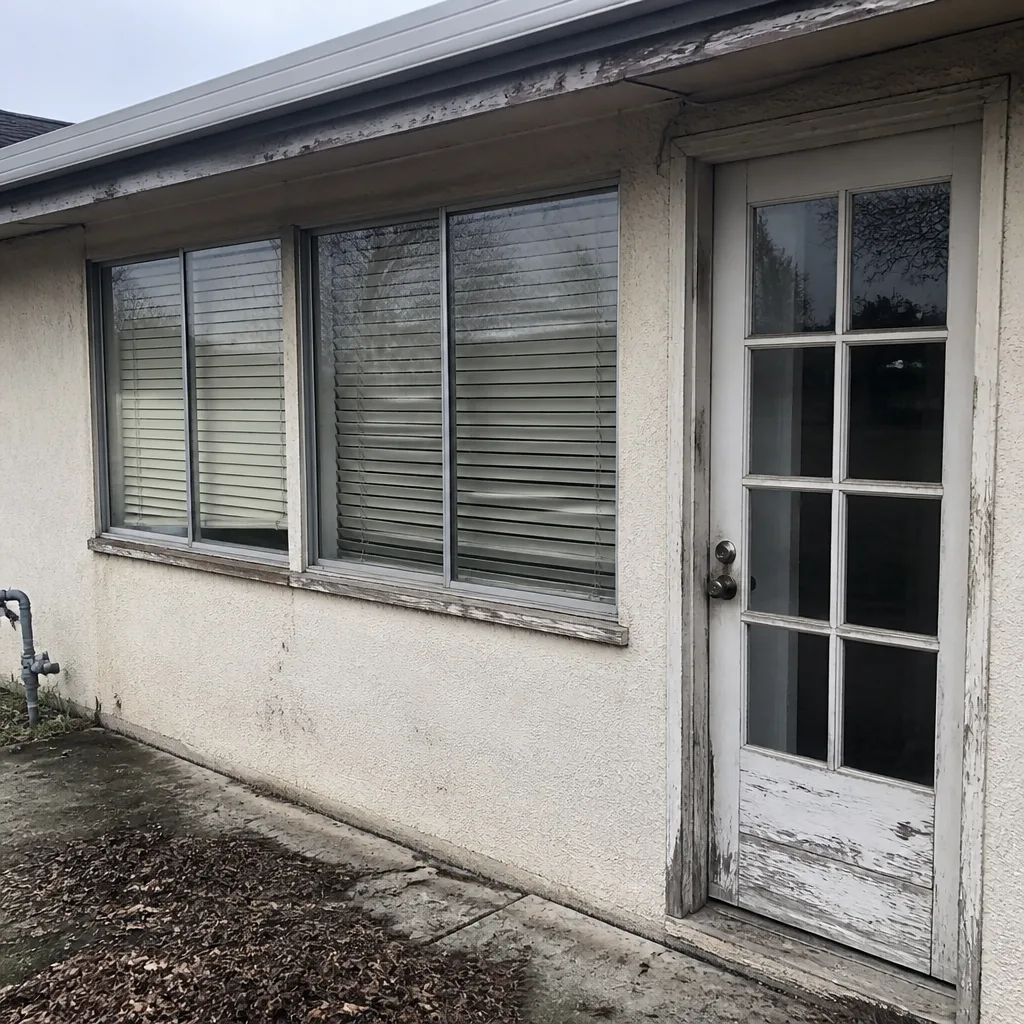 Before
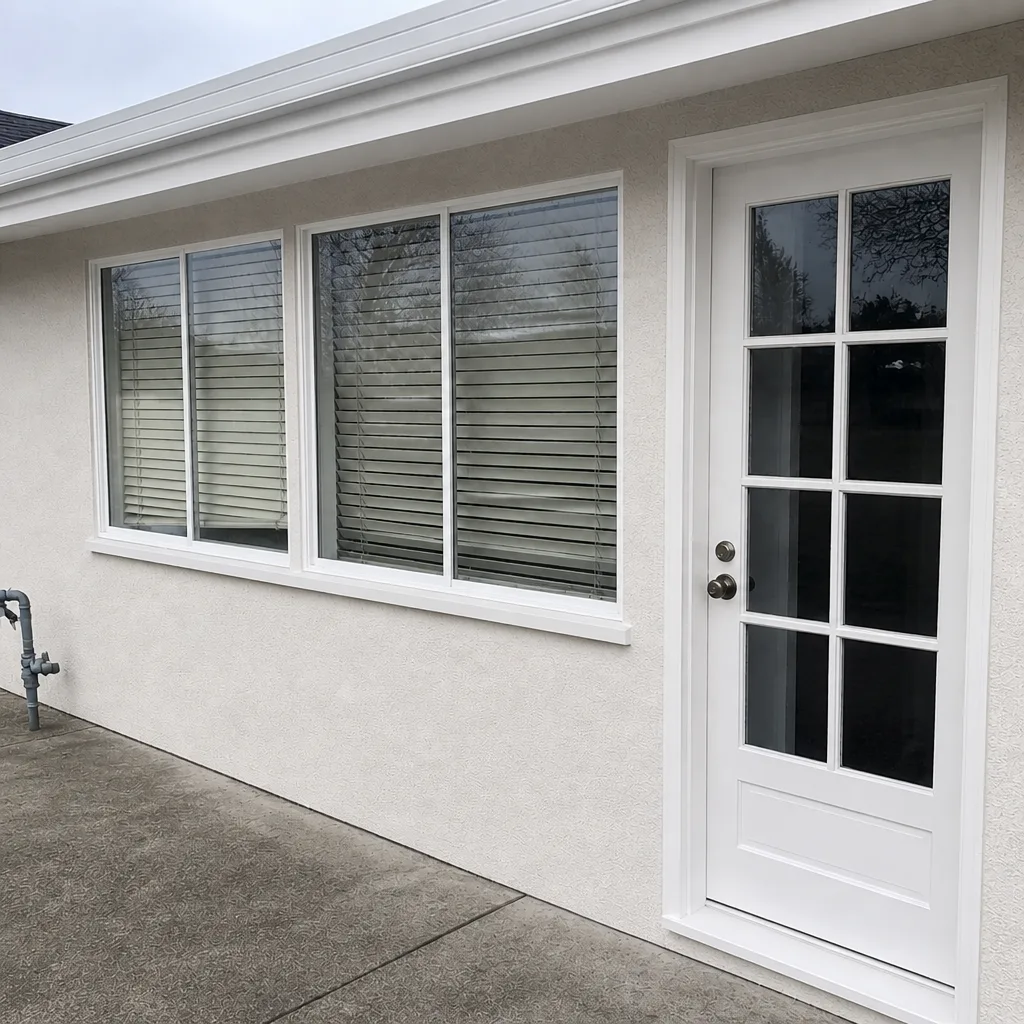 After
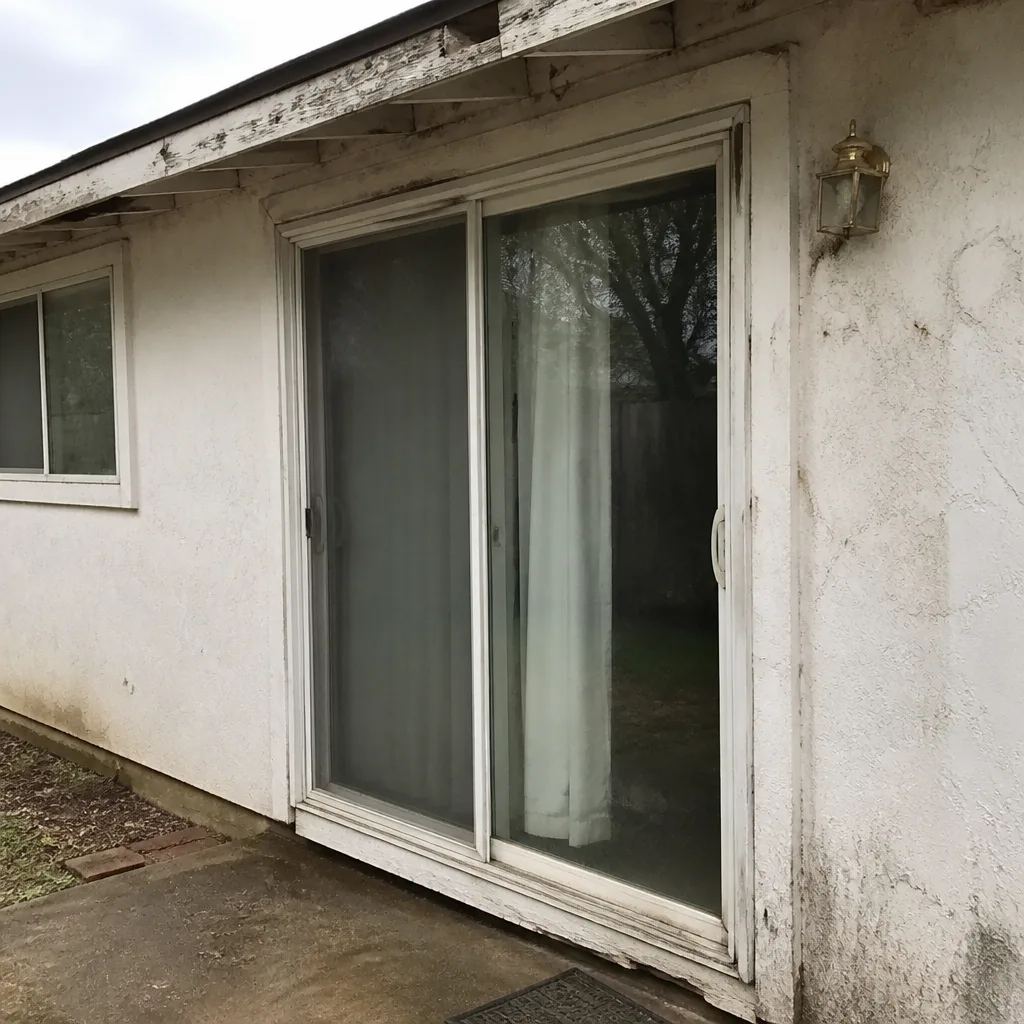 Before
 After
 Before
 After
When to Call a Professional
Most of this checklist is safe to do yourself. Some of it isn’t. Call a professional if you see fogging between the panes, a failed seal at multiple corners, a frame that’s warped enough to let daylight through, or water stains on the wall or sill after a storm. Those are structural or system failures, not maintenance issues. Call us too if you’re unsure whether a problem is early seal failure or just condensation, because that distinction decides whether you need maintenance or a replacement. Window Replacement Citrus Heights offers free estimates in Citrus Heights – call (279) 321-4124.
Frequently Asked Questions
Clean the glass quarterly and flush the weep holes and drainage channels on the same schedule. Monthly, do a quick visual check of weatherstripping, hardware, and frame corners. Quadrant cleaning plus monthly inspection is the routine that prevents seal failure in the Sacramento Valley’s heat and dust.
Yes, if the stains are light. Rinse with plain water, use a pH-neutral cleaner, let it sit, and wipe with a microfiber cloth. Never use vinegar, ammonia, or an abrasive on coated glass, and call a professional if the mineral deposits are heavy or already etched.
Fogging means the perimeter seal on a double-pane unit has failed and moisture has reached the sealed cavity. It’s the late stage of seal failure, and the unit is replaced, not repaired. If you catch it early with the thermal feel test, you can plan ahead instead of dealing with a surprise.
Sometimes it does, and sometimes it doesn’t touch it. Most California manufacturer warranties exclude neglect and improper cleaning, so documented maintenance helps. Keep a dated log of cleaning and drainage checks, and review your specific product’s care requirements.
Sealing over weep holes during DIY caulking, or letting summer debris block the drainage channels. Either one traps water in the frame and shows up as rot or water staining in winter. The fix is a quarterly flush with water and a visual check for daylight through the slots.
Yes, with one addition. The threshold on a sliding door has its own drainage. Clear it, check the sweep for wear, and lubricate the rollers with a silicone product. Sticking is the early sign that the track or drainage needs attention, and a worn threshold leads to subfloor damage.
When the seal has failed on one or more units, the frame is warped, or water damage has reached the sill. At that point, a door replacement or a full window replacement is the better use of money than more patching. We take jobs of three openings or more, and the estimate is free.
The Bottom Line
Windows fail on a schedule, and in Citrus Heights that schedule is set by UV, hard water, and heat cycles. Maintenance is how you slow it down. Do the ten-minute monthly check, the quarterly cleaning and drainage flush, and the annual seal and frame inspection. Keep a log, because it protects your warranty. Never seal a weep hole or scrub coated glass dry. Everything else is a judgment call, and when the call gets unclear, we’re happy to look at it honestly. See the full range of options on our window replacement Citrus Heights page.
If you’re ready to talk through a replacement or an upgrade, call (279) 321-4124 to schedule your free estimate. We’re a window and door specialist, with a roster that spans PGT, CGI, CWS, ES Windows, ECO Window Systems, Mr-Glass, Therma-Tru, and ViewLux, so you can compare products side by side instead of fitting your home to one brand.
Written by the team at Window Replacement Citrus Heights.