Last updated November 25, 2026
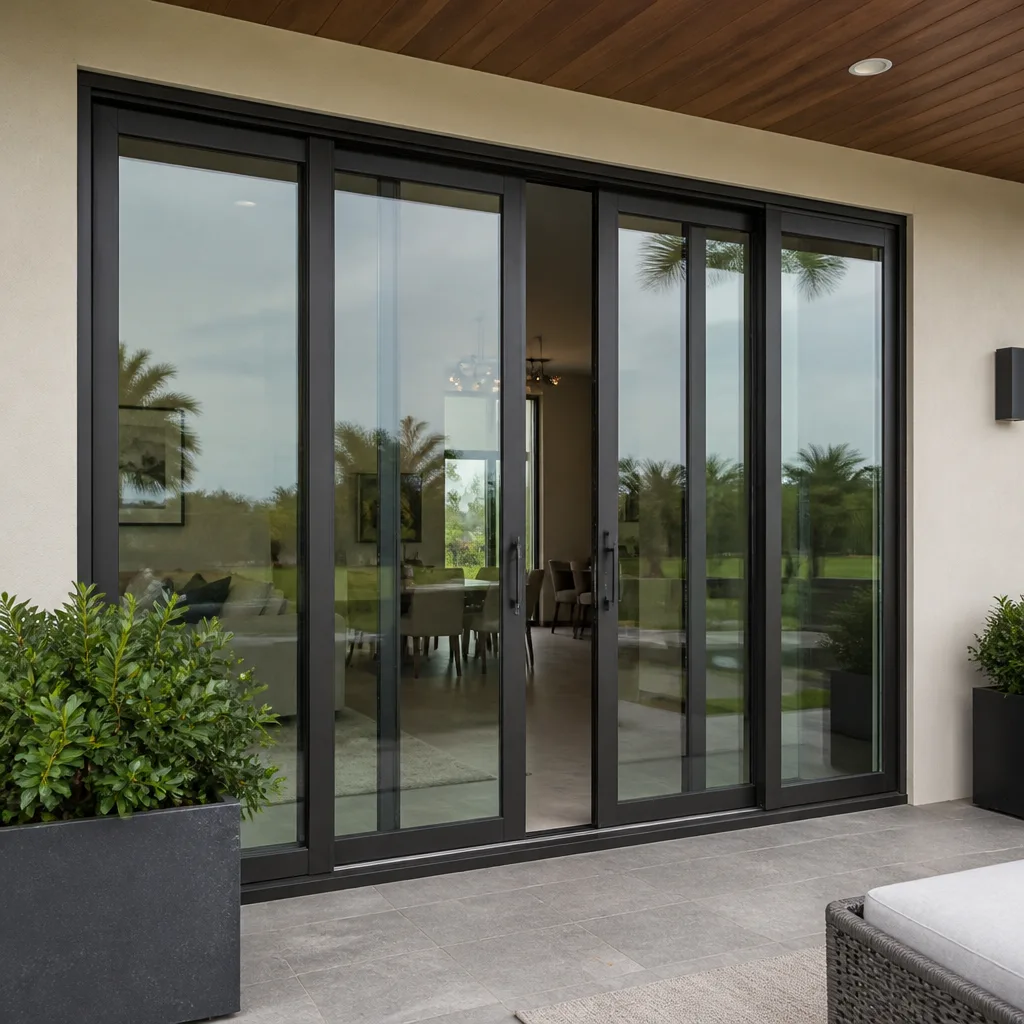
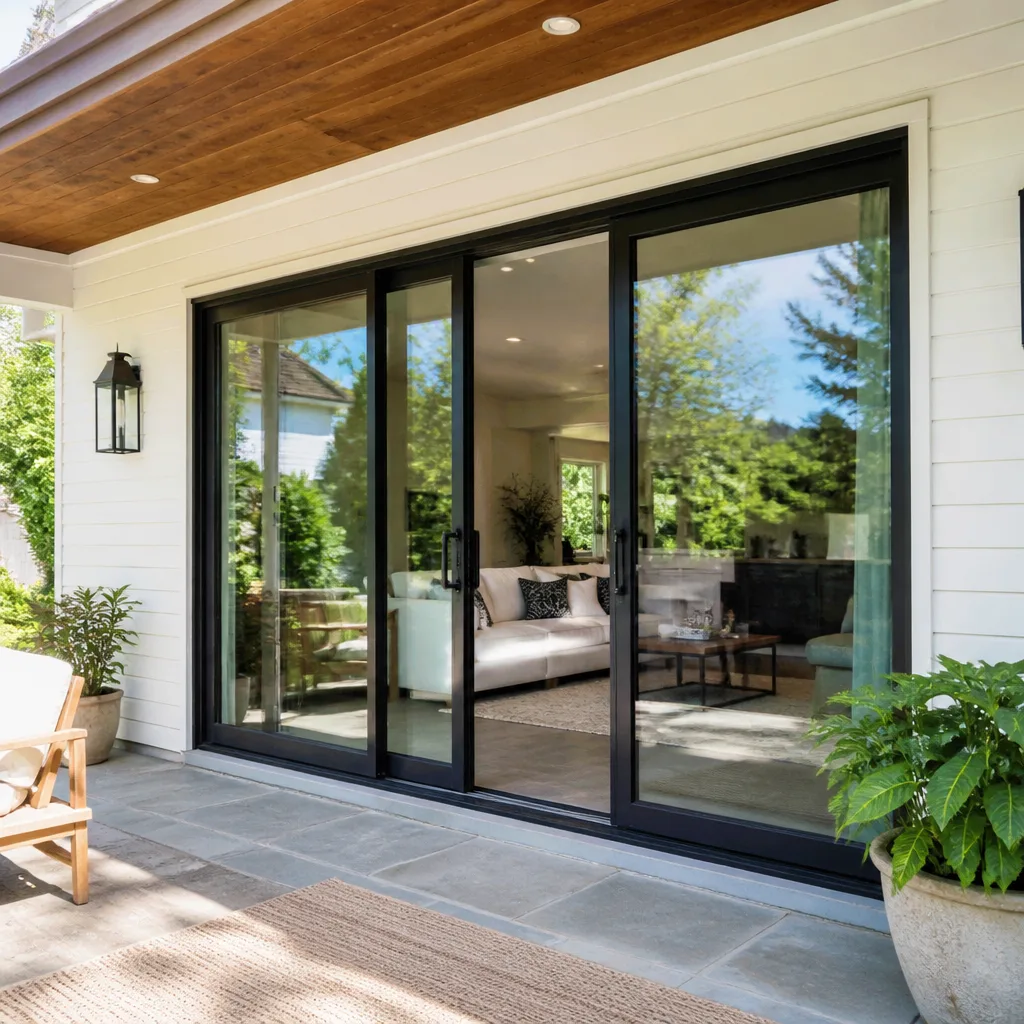 Sliding glass doors
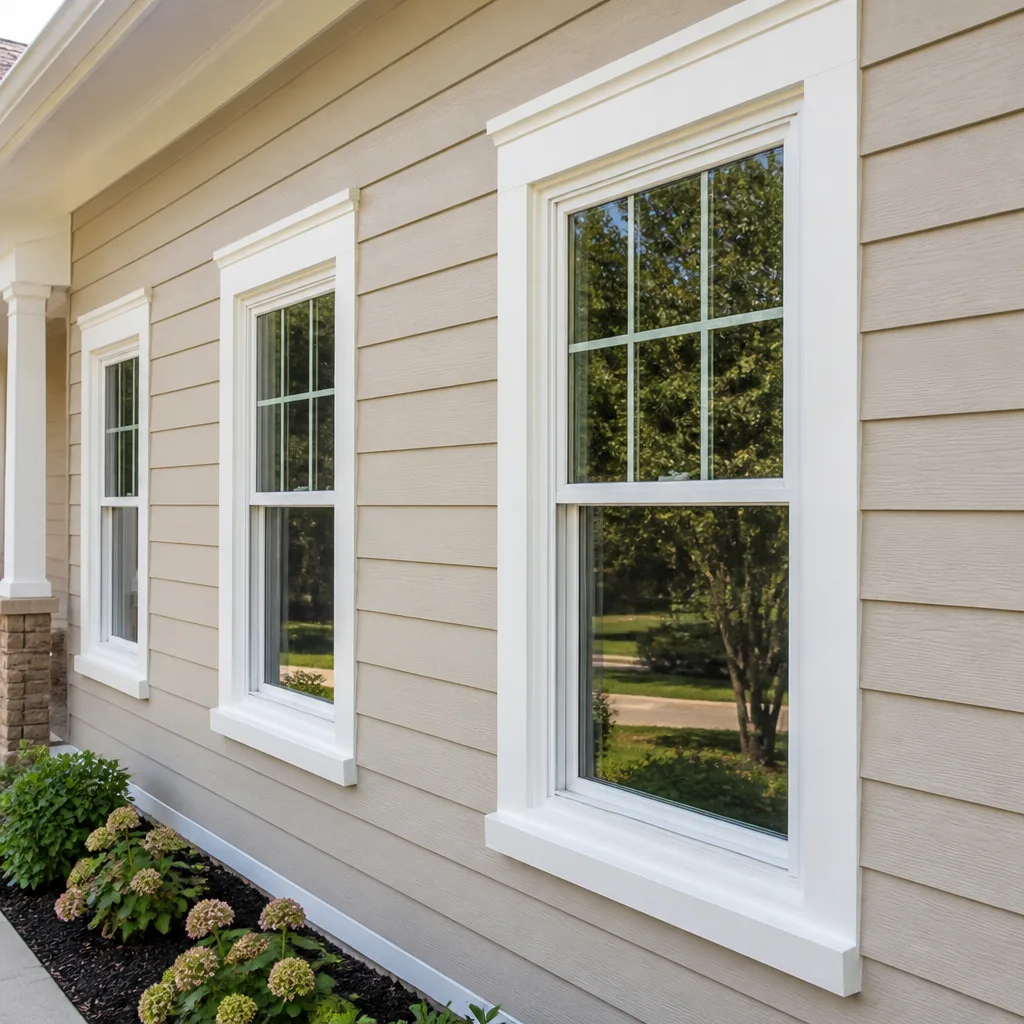 Single hung
 Double hung
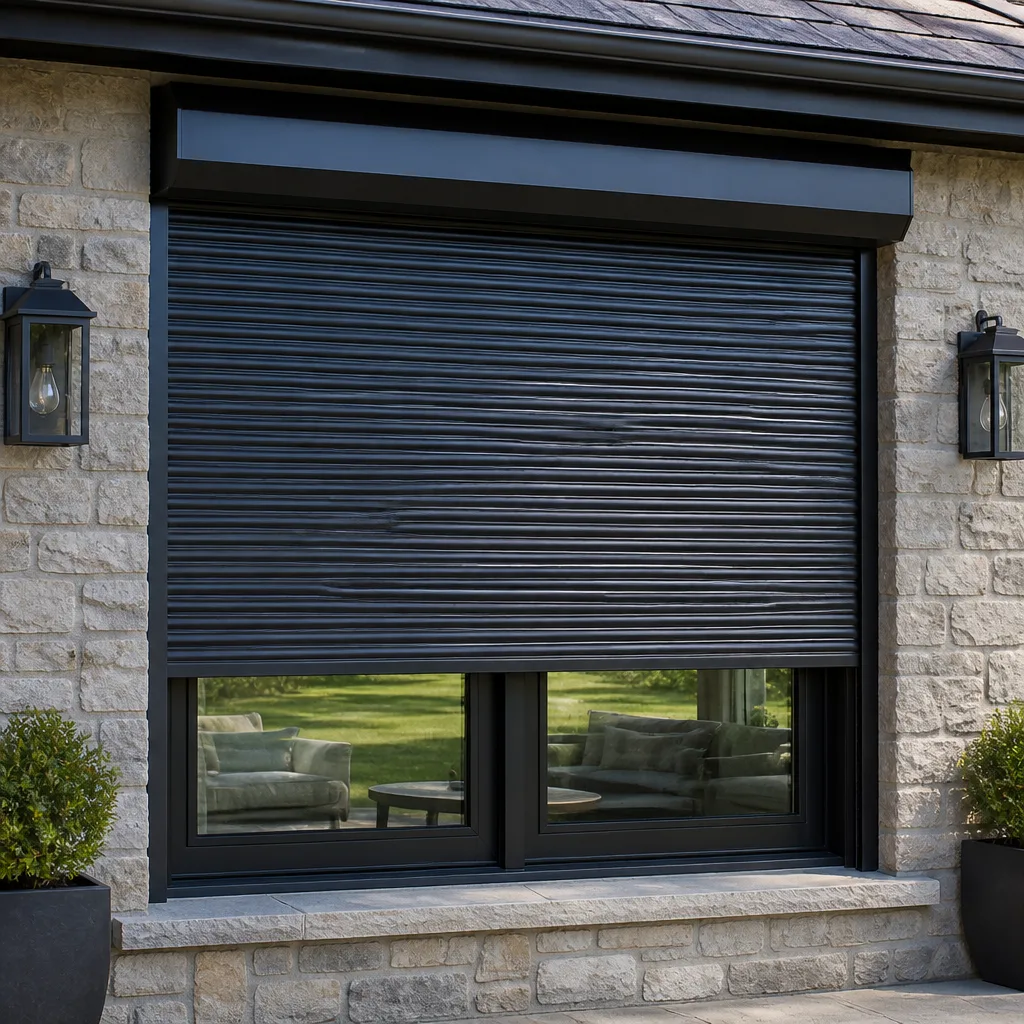 Horizontal roller
 Casement
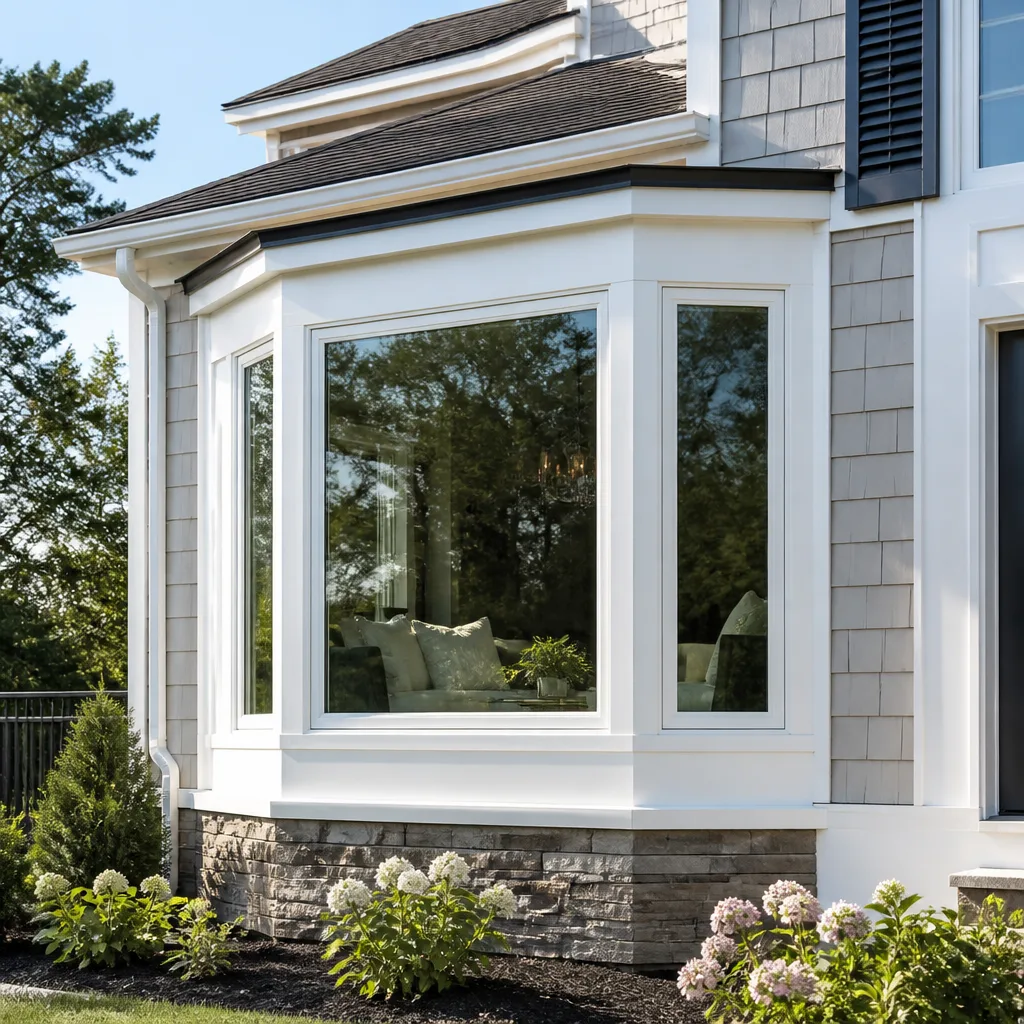 Bay & bow
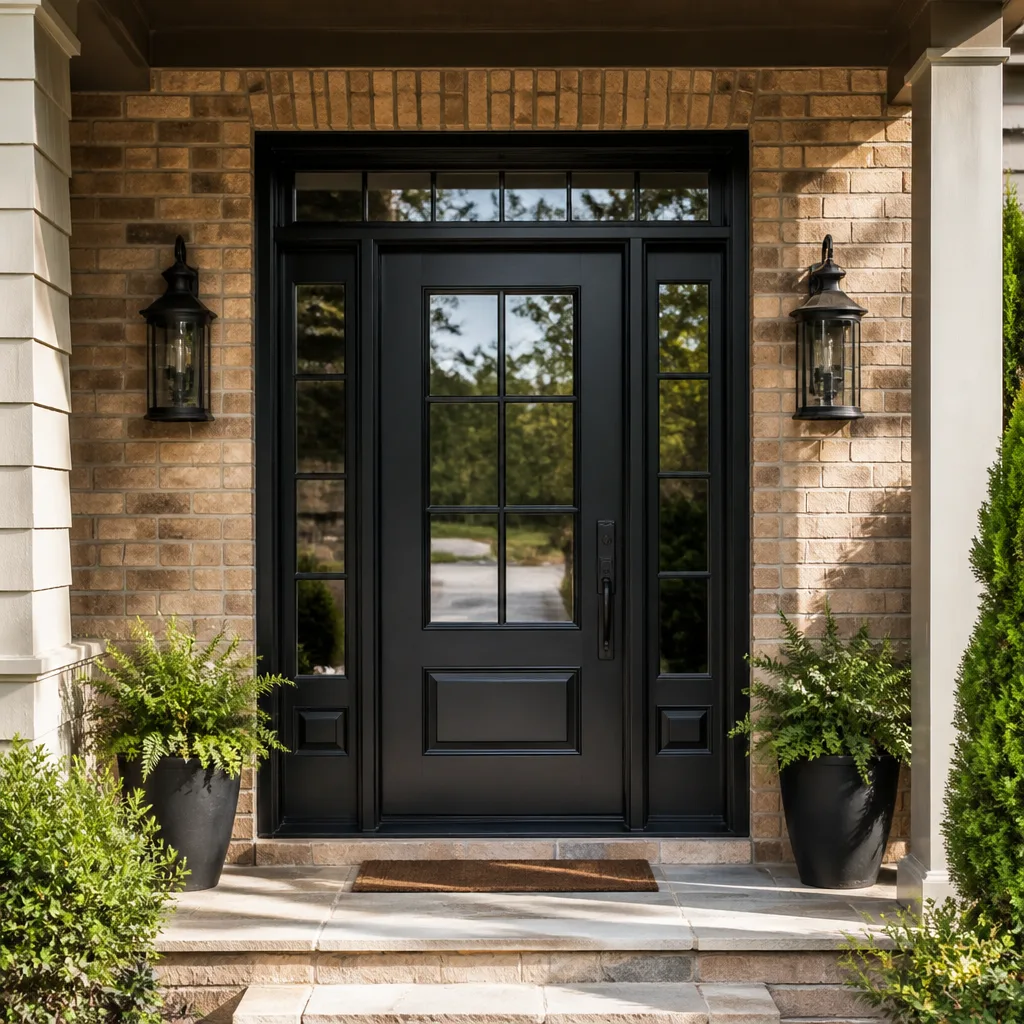 Entry doors
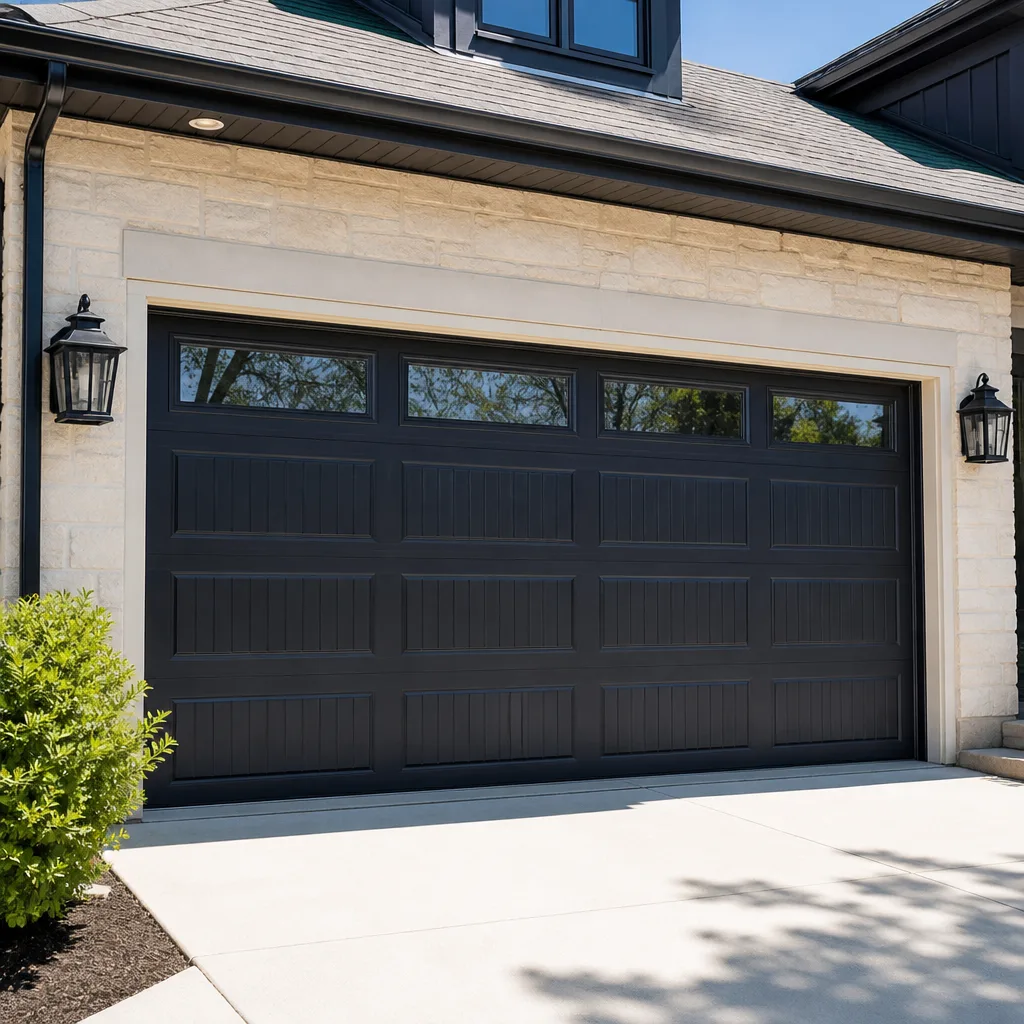 Impact garage doors
 PGT
 CGI
Free in-home measure and quote - PGT, CGI and CWS impact lines compared on your actual openings, style by style
Get your free estimateWindows & Doors Emergency Preparedness Guide for Citrus Heights Homes
Most homeowners in Citrus Heights think of window and door preparation as a cold-weather job: seal the drafts, save a little on the gas bill, done. But the emergencies that actually threaten homes in the Sacramento Valley come from the opposite direction. Wildfire embers carried on a dry north wind, atmospheric river storms that dump inches of rain in a day, and the gusty wind events that ride in with valley storm systems are what push glazing, seals, thresholds and frames to their limits. We’ve walked homeowners through these failures enough times to know that the failures rarely come from a broken pane. They come from the small gaps, the tired weatherstripping and the door bottoms you haven’t looked at in a decade. This guide walks through how to prepare the windows and doors of a Citrus Heights home for the specific acute risks of this region, from wildfire exposure to flood-grade rain.
Quick Answer
Emergency preparedness for windows and doors in Citrus Heights means focusing on ember intrusion, wind-driven rain and high-volume storm runoff rather than generic hurricane prep. The highest-priority steps are inspecting and upgrading weatherstripping and door sweeps to close the small gaps embers penetrate, verifying window weep holes drain outward and are clear, and documenting the current condition of every window and door with photos before each wildfire season. Where existing units are cracked, warped or failed, an impact-rated or energy-focused replacement is a stronger long-term answer than patching a compromised frame. Window Replacement Citrus Heights handles replacement windows, sliding doors and entry doors for homes here, and a free estimate starts with a call to (279) 321-4124.
Styles & brands we work with
- Single hung
- Double hung
- Horizontal roller
- Casement
- Bay & bow
- Sliding glass doors
- Entry doors
- Impact garage doors
- PGT
- CGI
Table of Contents
- Why Generic Emergency Prep Advice Misses the Mark in Citrus Heights
- Ember Intrusion Risk Assessment: Which Gaps Matter Most
- WUI Building Code, CAL FIRE Ember Resistance and Your Product Options
- Atmospheric River Preparation: Thresholds, Weep Holes and Flood Barriers
- Wind Events and What They Do to Windows and Doors
- Post-Emergency Inspection Checklist for Windows and Doors
- Documenting Your Windows and Doors Before Wildfire Season
- When Preparation Is Not Enough: Replacement Decisions
Why Generic Emergency Prep Advice Misses the Mark in Citrus Heights
Most window and door emergency guides are written for homeowners in hurricane country. They talk about plywood over glass, shutters, and boarding up. Those are real measures in a coastal cyclone, but they don’t translate to Citrus Heights, because the threat profile here looks different. What we see in this part of the Sacramento Valley is a combination of dry-season wildfire ember exposure, wet-season atmospheric river storms that arrive quickly and dump heavy rain, and wind events that accompany those storm systems and stress the seals and hardware of aging units.
Citrus Heights sits at the eastern edge of the Sacramento metro, which means a great deal of the housing stock faces some degree of wildland-urban interface exposure. Neighborhoods along the eastern edges, including those near the older corridors that predate modern glazing standards, often have double-pane aluminum or early vinyl windows that were never built with ember resistance in mind. Standard double-pane glass offers no protection against embers entering through gap space around the window perimeter.
The other mismatch is timing. Hurricane prep is a sprint – the storm is coming, board up and wait. Wildfire and atmospheric river prep in Citrus Heights is a season-long practice. The dry months demand attention to ember pathways, and the wet months demand attention to water pathways. A window or door can be well-prepared for one and completely unprepared for the other, which is why a one-time effort doesn’t work.
This guide treats windows and doors as the building’s two most exposed perimeter systems – the parts of the envelope that both protect against fire exposure and shed enormous volumes of storm water. The steps below are ordered roughly from dry season to wet season, but a homeowner preparing for the first time should read all of them and make a calendar.
Ember Intrusion Risk Assessment: Which Gaps Matter Most
Ember intrusion doesn’t require flame contact. In the 2020 and 2021 wildfire seasons, homes in the Sacramento foothills were lost to embers that entered through small gaps around windows and doors and ignited interior materials long before the fire front arrived. A standard double-pane window provides no defense against this failure mode because the threat isn’t the glass; it’s the perimeter gap where the sash meets the frame, and the gap where the frame meets the wall or threshold.
Not all gaps carry the same risk. Here’s how we rank them for a typical Citrus Heights home, from highest to lowest:
- Sill and threshold gaps on operable windows and doors. The bottom edge where the sash or door panel meets the sill is where small debris and embers collect first. If the sweep or weatherstripping is worn, that edge is open.
- Frame-to-wall joints, especially on older window openings. The exterior perimeter where the frame meets the wall is a common entry path when the sealant or flashing has aged out.
- Sash-to-frame weatherstripping. Any operable window or door relies on a compression seal. If the seal has flattened or torn, embers can pass through the gap even if the unit is closed.
- Weep holes on newer units. These are designed to drain water, but a large unmeshed weep hole is also an ember entry point. Press-fit weep hole covers help here.
- Door bottoms without a proper sweep. Sliding patio doors and entry doors need a solid sweep or an adjustable threshold to close the bottom gap.
You can address several of these without replacing a single unit. Fresh weatherstripping on operable sashes, adjustable or replacement door sweeps, and fresh exterior sealant around frame joints close the highest-risk pathways. Where gaskets or seals are worn through, replacement is often faster than re-gasketing a window whose frame has aged past the point of a solid seal.
WUI Building Code, CAL FIRE Ember Resistance and Your Product Options
If you’re in or near a wildland-urban interface zone, the window and door requirements that apply to new construction and major remodels are stricter than the general building code. This matters for preparation in two ways: it tells you what a high-risk window or door assembly should look like, and it tells you what to reasonably expect from a product you already own. We can’t tell you from here which zone your property sits in. Your city’s building department can, and it’s worth a call if you’re near the eastern edges of Citrus Heights or planning any exterior work.
What generally matters for ember resistance in window and door products:
- Multi-point locking and tight compression gaskets. A window that closes against a continuous gasket compresses more evenly than a single-point lock, which is why the seal holds tighter in high-wind exposure.
- Metal or thermally-broken framing in place of full vinyl. Some products handle heat exposure differently from others. The question isn’t only whether the frame survives, but whether it keeps its seal and shape long enough to resist intrusion.
- Impact-rated glazing. Brands like PGT and CGI manufacture impact-rated lines built for storm and ember exposure. They’re not always the right answer for every homeowner, but they belong on the shortlist for eastern-edge properties with higher WUI exposure.
- Sealed or meshed weep holes. Small detail, real effect. The same weep hole that lets water drain should not become an ember highway.
Homeowners prioritizing energy efficiency over impact resistance can look at ECO Window Systems and ES Windows, which focus on thermal performance and value. Mr-Glass and CWS cover specialty glazing options including decorative and custom solutions. We carry all of these because the right answer depends on which threat matters most for your house.
Atmospheric River Preparation: Thresholds, Weep Holes and Flood Barriers
An atmospheric river can drop in a single day what a normal winter month delivers in a week. Citrus Heights doesn’t see hurricane surge, but it does see street-level flooding during heavy storm events in low-lying stretches near the creeks, and wind-driven rain that finds every gap on the windward side of a house. The failures we see most in high-volume rain events are door thresholds, weep holes and storm drain paths around the exterior walls.
Here’s how to prepare, in order:
- Check the door sweep and threshold. Stand outside with the door closed and look at the bottom. If you can see daylight or feel air movement, the door is a rain entry point. Adjustable thresholds and quality sweeps close this gap.
- Verify weep hole direction and flow. Water should drain out, not in. Weep holes, including those on sliding doors, should sit on the exterior side and be clear of debris. If water collects on the sill after a rain, the slope or the weep holes need attention.
- Keep gutters and window well drain paths clear. Rain that overwhelms the roof and gutter system cascades down exterior walls and finds window frame joints. A clogged gutter is a window problem waiting to happen.
- Match temporary flood barriers to your door type. Sliding patio doors sit closer to grade than most entry doors, so sandbag or temporary barrier placement usually needs to sit in front of the sliding track. Entry doors with a raised sill have more clearance, but the threshold seal at the base is still the weak point.
- Test the window lock at full compression. A window that closes but doesn’t fully latch won’t seal against wind-driven rain. If the sash no longer sits flat against the frame, the seal is compromised and replacement is a stronger plan than another round of caulk.
The energy-focused systems among the brands we install – ECO Window Systems and ES Windows in particular – are built to close these water pathways tightly on the sash-to-frame seal. That doesn’t make a window a flood barrier, but it does mean a well-installed replacement is less likely to drip and draft the next time an atmospheric river parks over Citrus Heights.
Wind Events and What They Do to Windows and Doors
Valley storm systems bring gusty wind to Citrus Heights more often than most homeowners realize. The wind itself rarely breaks a modern window, but it finds any unit that’s already compromised. The most common wind-event failure we see is a seal that’s already failing moving from “a little draft” to “actual water inside the frame” in a single storm. A window that was fine in calm weather can leak in a gusty event because the gasket has lost its compression and the wind has something to push against.
What to check before wind season:
- Operable windows should latch at full compression. If the sash closes but the lock doesn’t pull the sash tight against the frame, the wind will find that gap.
- Sliding doors need a smooth track and intact weatherstripping. A track with grit or a worn seal lets wind-driven rain past the rollers and into the interior.
- Entry doors need a solid strike and a working deadbolt. Door movement under wind load starts at the lock and hinge side. If the door rattles in the wind, the seal at the top and bottom is already loose.
- Exterior caulk and sealant at frame joints matter. Anything that’s dried and cracked is a target for wind-driven rain.
Where a unit has aged past its useful life, putting money into sealing a compromised frame rarely holds for more than a season. That’s where our window installation scope comes in – replacing a failed opening with a properly installed, sealed unit built for the exposure. It’s a bigger decision than a tube of sealant, but it’s the one that stops the recurring leak.
Post-Emergency Inspection Checklist for Windows and Doors
After a wind event, a flooding rain or a smoke exposure event, don’t simply reopen and go back to normal life. Windows and doors can take damage that isn’t obvious from the inside, and using a compromised unit too soon can turn a small failure into a large one. We recommend inspecting every operable window and door in the house after any significant event, in this order:
- Inspect the glass for fine cracks or chips that weren’t there before. Cracks that start at the edge of a pane are the ones most likely to propagate under further wind load.
- Check frame and sash for warping, discoloration or scorching. Heat exposure can distort a frame slightly without breaking it. A frame that’s no longer square will not seal.
- Open and close each operable window and door slowly. Binding, grinding, or a sash that needs force to close is a sign the frame or hardware has shifted.
- Look at the weatherstripping around each sash and door panel. Torn or flattened seals should be replaced before the next rain event.
- Check for water intrusion signs at the interior sill, threshold and wall. Stains, bubbling paint, or soft drywall compound near an opening signals water got behind the frame.
- Smell the interior around each opening after a smoke exposure. Smoke can enter through the same gaps embers use. If the smell lingers in a room near a window or door, that opening’s seal is a candidate for upgrade.
- Document everything with photos and dates. This protects you if you need to file a claim, and it becomes the baseline for next year’s pre-season documentation.
If any single step raises a flag – water inside the frame, a latch that no longer pulls, glass damage – call a professional rather than continuing to operate the unit. A failing window or door under wind load is a safety concern, not just a comfort one.
Documenting Your Windows and Doors Before Wildfire Season
Insurers will ask, after an event, what condition the windows and doors were in before the event. If you can’t answer that with documentation, you’re relying on the adjuster’s read of the post-event state. That’s a bad position. Before each wildfire season in Citrus Heights, take a thorough photo record of every window and door on the property.
Here’s the protocol we recommend:
- Photograph each window and door in full, from the exterior. Include the full frame and the surrounding wall so the location is unambiguous.
- Photograph any existing damage in close-up. A scratch, a crack, a warped seal, a discolored frame – whatever is already there, it should be dated before the season.
- Photograph the interior side of each opening. Interior sills and thresholds are where you’ll find hidden water intrusion later, and the pre-event photo establishes the baseline.
- Note product brand and model if visible. The brand makes a difference to how the unit is expected to perform. If your windows were installed by a prior owner and you’re not sure of the brand, a close-up of the manufacturer label helps.
- Store the record where you can access it off-site. Cloud backup, a shared folder, or a physical copy in a fire-safe location. If the house is affected, the documentation needs to survive with you.
- Repeat before each season. The pre-season photo set from this year becomes the comparison point for next year’s inspection.
If you have a valuation question about a specific window or door, the documentation also becomes a starting point for deciding whether to replace or continue maintaining the unit. It’s a small amount of work once a year that saves a great deal of argument the one time you need it.
When Preparation Is Not Enough: Replacement Decisions
Preparation has a ceiling, and the ceiling is the condition of the existing window or door. If the frame is warped, the seal no longer compresses, the glass is chipped at the edge, the sash binds, or the door threshold won’t hold a sweep, the practical answer is replacement, not another round of sealant. We’ve explained this to enough Citrus Heights homeowners to know it can feel like a sales pitch – so decide on the evidence, not on our word. If you’ve addressed weatherstripping, sweeps, weep holes and perimeter sealant and the unit still leaks, rattles in wind, or shows water intrusion, the assembly is the problem.
When replacement is the answer, the priority question is what your home actually needs. Eastern-edge properties with WUI exposure lean toward impact-rated products; energy-focused systems like window replacement options from ECO Window Systems and ES Windows matter when heat gain and utility bills are the driver; entry doors from Therma-Tru cover the front-door performance and curb-appeal side of the equation; and decorative or specialty glazing from Mr-Glass and CWS covers the homes where the visual finish matters as much as the performance. For entry doors specifically, our door replacement work is a natural complement to the window scope, and the same sealing and threshold logic applies to every opening we install.
Our replacement and new-installation work covers projects of three openings or more, whether that’s windows, doors or a mix. A single drafty window isn’t a replacement project on its own; that’s the honest scope.
Common Mistakes to Avoid
- Treating wildfire prep as a landscape-only job. Clearing defensible space matters, but the small perimeter gaps on windows and doors are just as often the entry point during the 2020 and 2021 fire seasons, and a cleared yard doesn’t seal a window.
- Sealing weep holes to stop embers. Blocking a weep hole entirely traps water and rots the sill. Use a mesh weep hole cover instead, which stops embers without stopping drainage.
- Buying a flood barrier that doesn’t reach the sliding door track. Sliding patio doors in Citrus Heights sit close to grade. A barrier that starts at the door face leaves the track and rollers exposed to the water.
- Skipping the pre-season photo record. It’s the least glamorous step and the one you’ll most regret skipping when a claim is contested.
- Assuming replacement windows are hurricane-rated by default. Most standard replacement products aren’t built to impact-rated standards. If your property has WUI exposure, verify the product line against the standard you need before ordering.
- Patching a compromised frame with caulk season after season. Caulk over a failed seal buys months, not years, and hides the eventual failure point from the next inspection.
- Using a single-brand installer out of convenience. A dealer with one product line will steer toward it, whether or not it fits your priorities. Comparing PGT, CGI, ECO Window Systems and the rest side by side is the better move.
See the difference
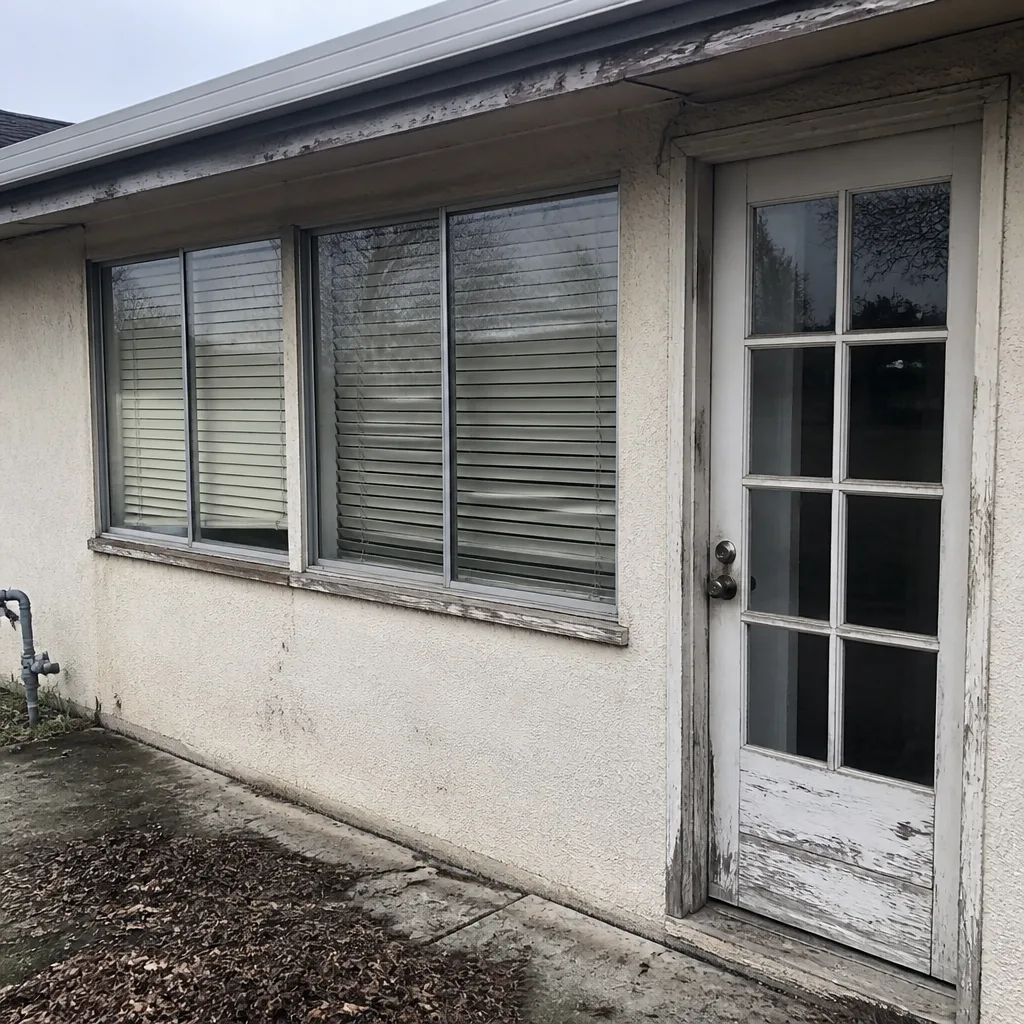 Before
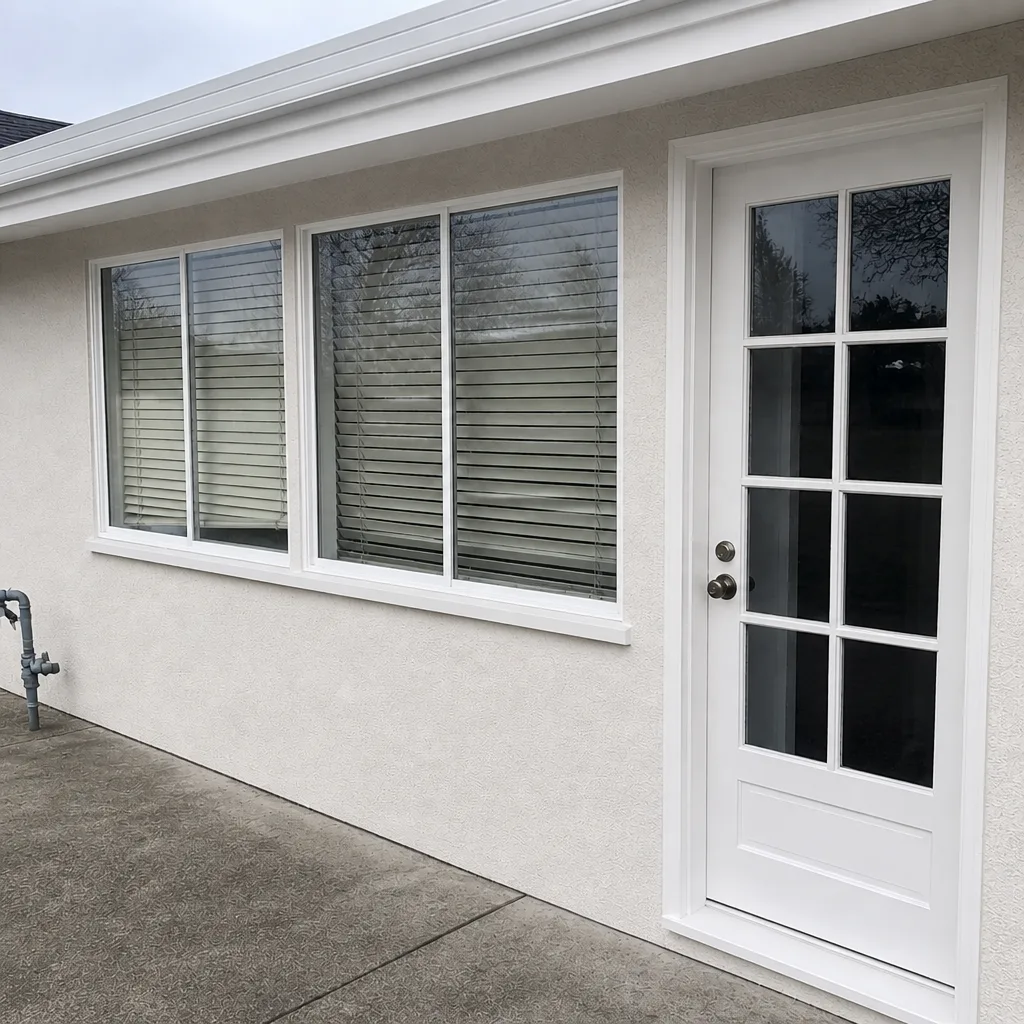 After
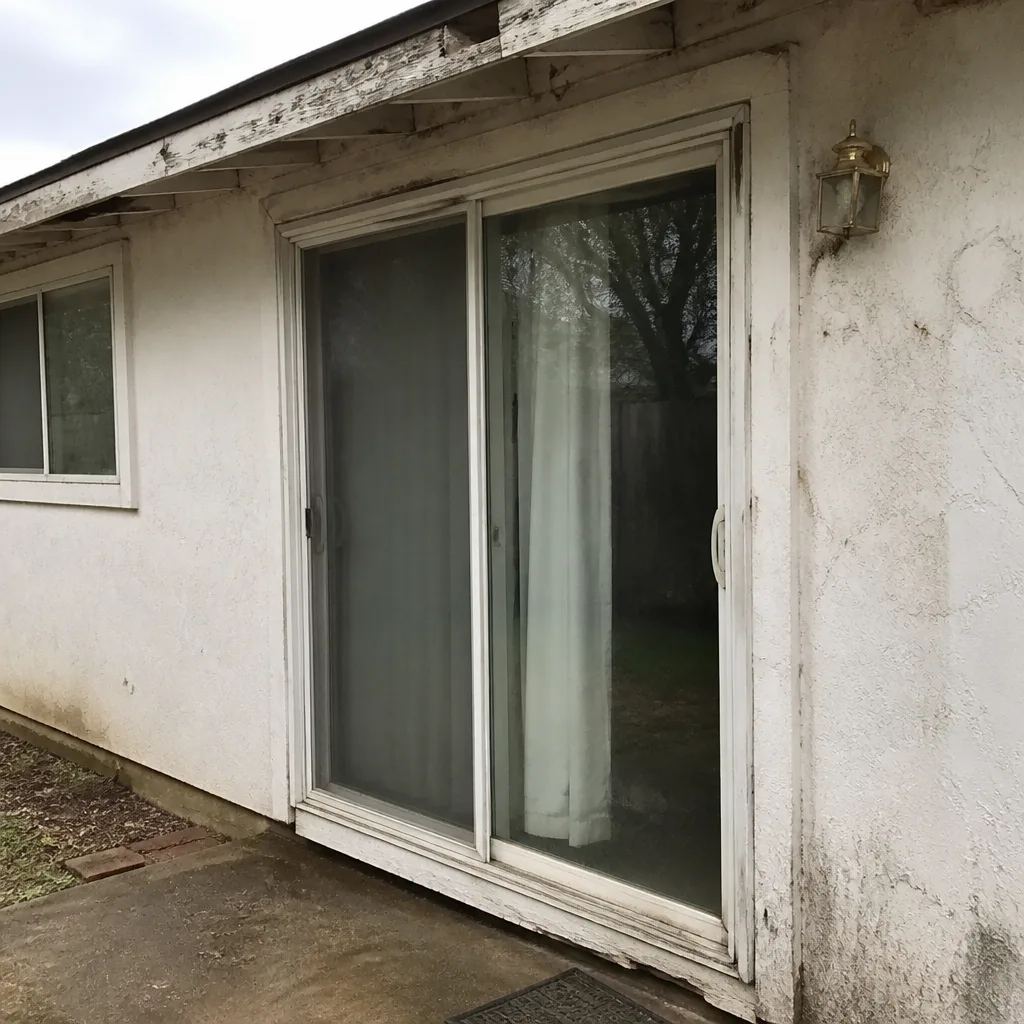 Before
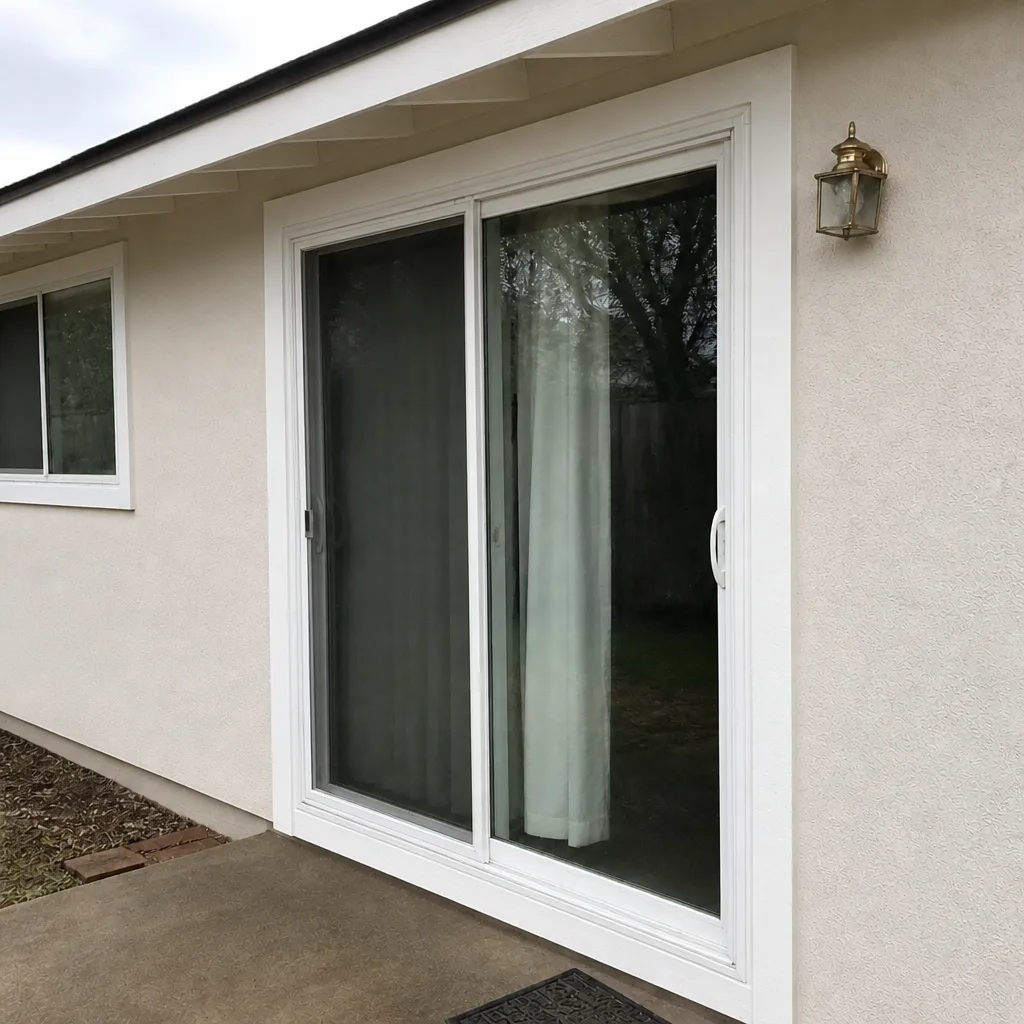 After
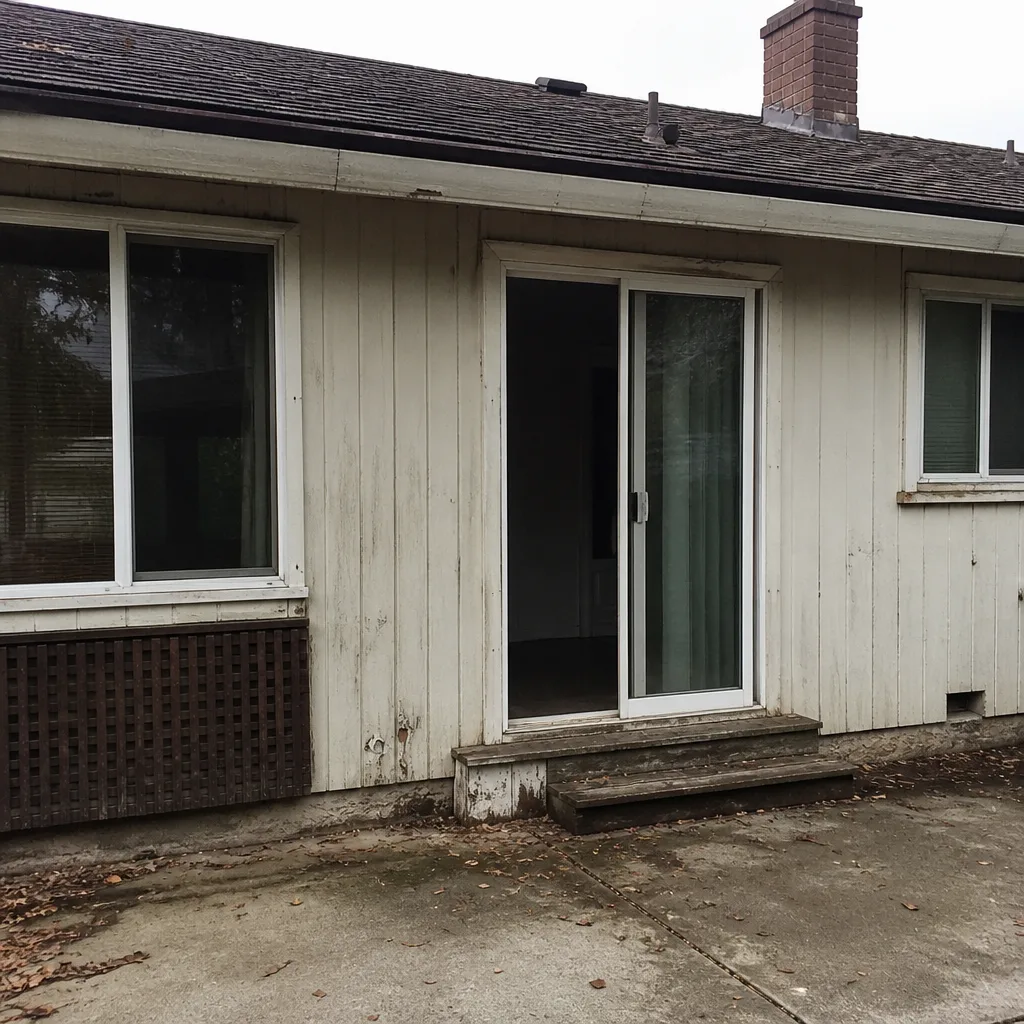 Before
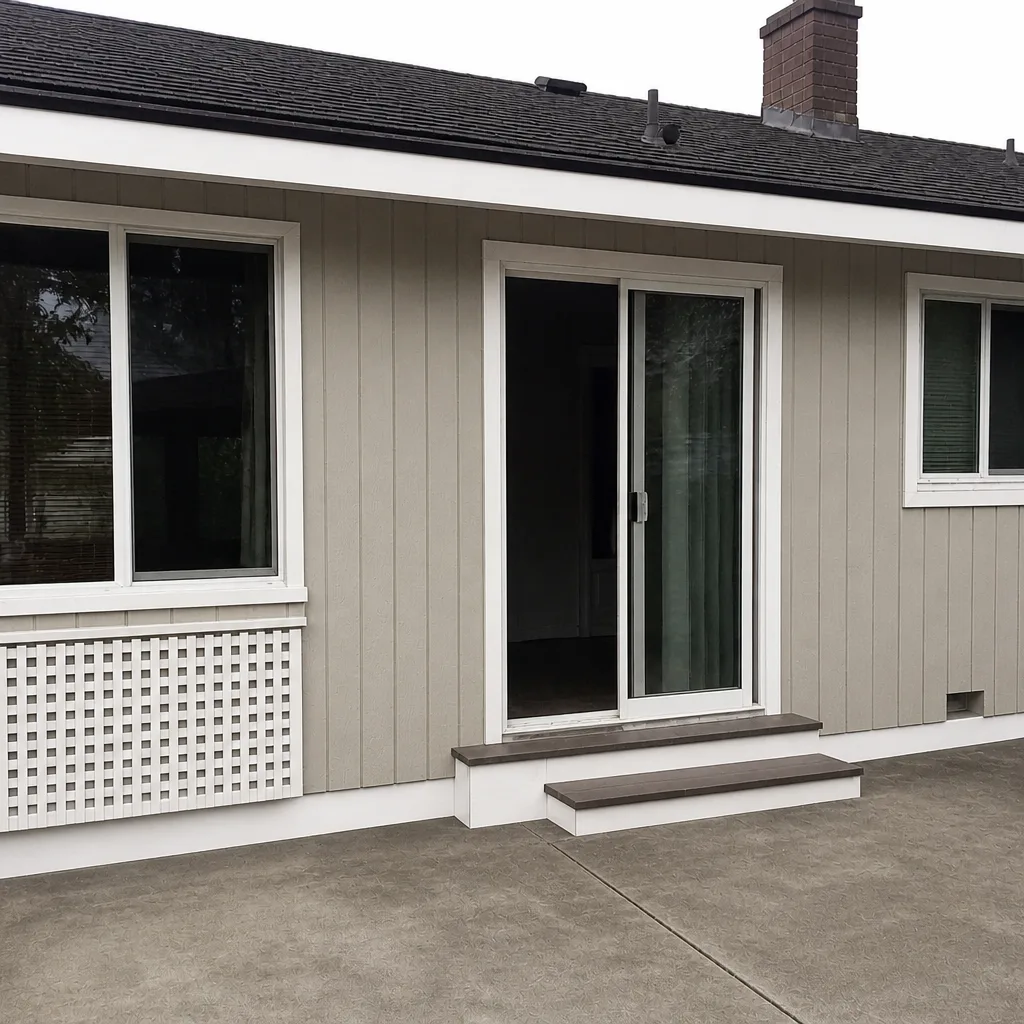 After
When to Call a Professional
Call a professional if water is entering around a window or door during a storm, if a sash or door no longer latches at full compression, if you see cracking or chipping at the edge of the glass, if the frame is warped or shows heat discoloration, or if the door threshold won’t hold a proper seal. For homeowners near the eastern edges of Citrus Heights with WUI exposure, call before wildfire season if your current windows and doors are older double-pane units – that’s the conversation where product options and ratings genuinely matter. Window Replacement Citrus Heights offers free estimates in Citrus Heights – call (279) 321-4124. Our technicians have up to 8 years of experience, and we’ll walk your openings with you, tell you what to address now and what to replace, and back it with a written estimate.
Frequently Asked Questions
No. Standard double-pane windows do nothing to prevent ember intrusion through the perimeter gaps. The glass itself is rarely the entry point during a wildfire event; the weatherstripping, sash-to-frame gap, sill gap and door threshold are where embers enter. For homes in Citrus Heights near WUI zones, the answer is weatherstripping upgrades plus, where the units are aging, an impact-rated replacement. Call (279) 321-4124 for a free estimate on a product review.
The first check is the sash-to-frame weatherstripping on every operable window, followed by the door sweeps at the bottom of every exterior door. Both are where ember intrusion happens first, and both are visible on a walk-around. Weep hole covers are the next step for newer windows that already seal well at the sash. If any of it has aged past usable condition, that’s when to call us at (279) 321-4124 for a free assessment.
Clean the track, verify the rollers sit fully in the track, and replace any worn weatherstripping before the wet season. Temporarily, place your flood barrier in front of the sliding track, not just the door face, because sliding doors sit close to grade. If the track itself is holding water after a rain, the weep holes or the track slope need attention. Call (279) 321-4124 if the track or threshold needs work beyond cleaning.
Yes. The pre-season documentation is a homeowner task: full exterior photos of each opening, close-ups of existing damage, interior sill photos, and manufacturer labels where visible, all dated and stored off-site. A professional inspection is worth adding if you want a condition assessment from someone who installs these products daily. We can do that as part of a free estimate – call (279) 321-4124.
Impact-rated window lines from manufacturers like PGT and CGI are built to tighter tolerances around sealing and multi-point compression, and they handle high-wind exposure better than a standard double-pane unit. Energy-focused systems like ECO Window Systems and ES Windows are also tighter at the sash-to-frame seal than older units, though they’re focused on thermal performance rather than impact. The right choice comes down to your priorities as a homeowner. Call (279) 321-4124 for a side-by-side comparison.
Preparation has done its job when the windows and doors stop leaking, rattling in the wind, and showing water intrusion after you’ve addressed weatherstripping, sweeps, weep holes and perimeter sealant. If the frame is warped, the seal won’t compress, or the glass is cracked at the edge, replacement is the honest answer. For homes with three or more openings needing replacement, we’ll price the whole project with a written estimate. Call (279) 321-4124.
The Bottom Line
Emergency preparedness for windows and doors in Citrus Heights is a two-season practice, not a one-time project. The dry-season work is about closing the small perimeter gaps that let embers in – weatherstripping, door sweeps, sealant and weep hole covers. The wet-season work is about thresholds, weep hole flow and temporary flood barrier placement, especially at sliding doors. Document everything before wildfire season, inspect everything after any wind or rain event, and know when to stop patching a compromised unit and replace it. For homes with WUI exposure or aging double-pane windows, a specialist installer carrying PGT, CGI, ECO Window Systems and the rest of our roster is the better conversation than a single-brand dealer. Call Window Replacement Citrus Heights at (279) 321-4124 for a free estimate. Our technicians have up to 8 years of experience and can walk the openings in person.
Written by the team at Window Replacement Citrus Heights.