Last updated November 25, 2026
 Sliding glass doors
 Single hung
 Double hung
 Horizontal roller
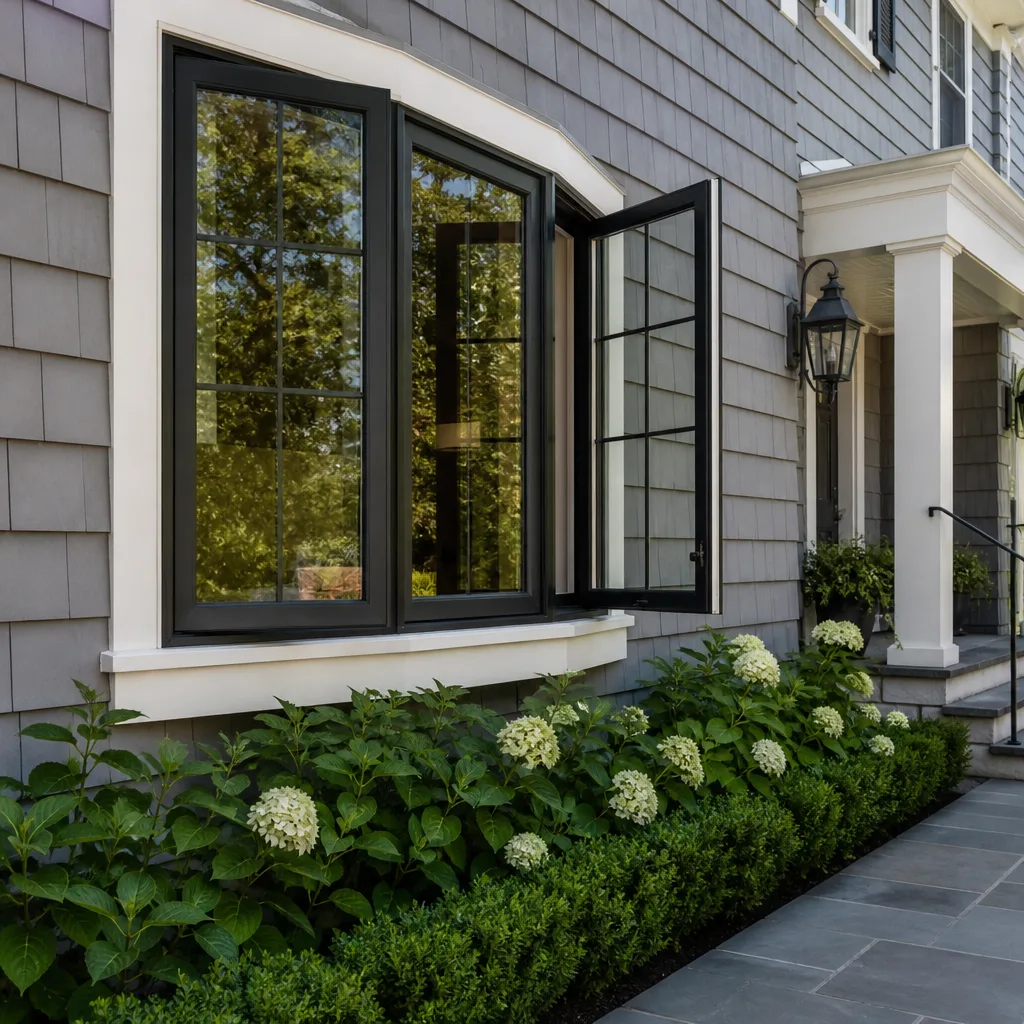 Casement
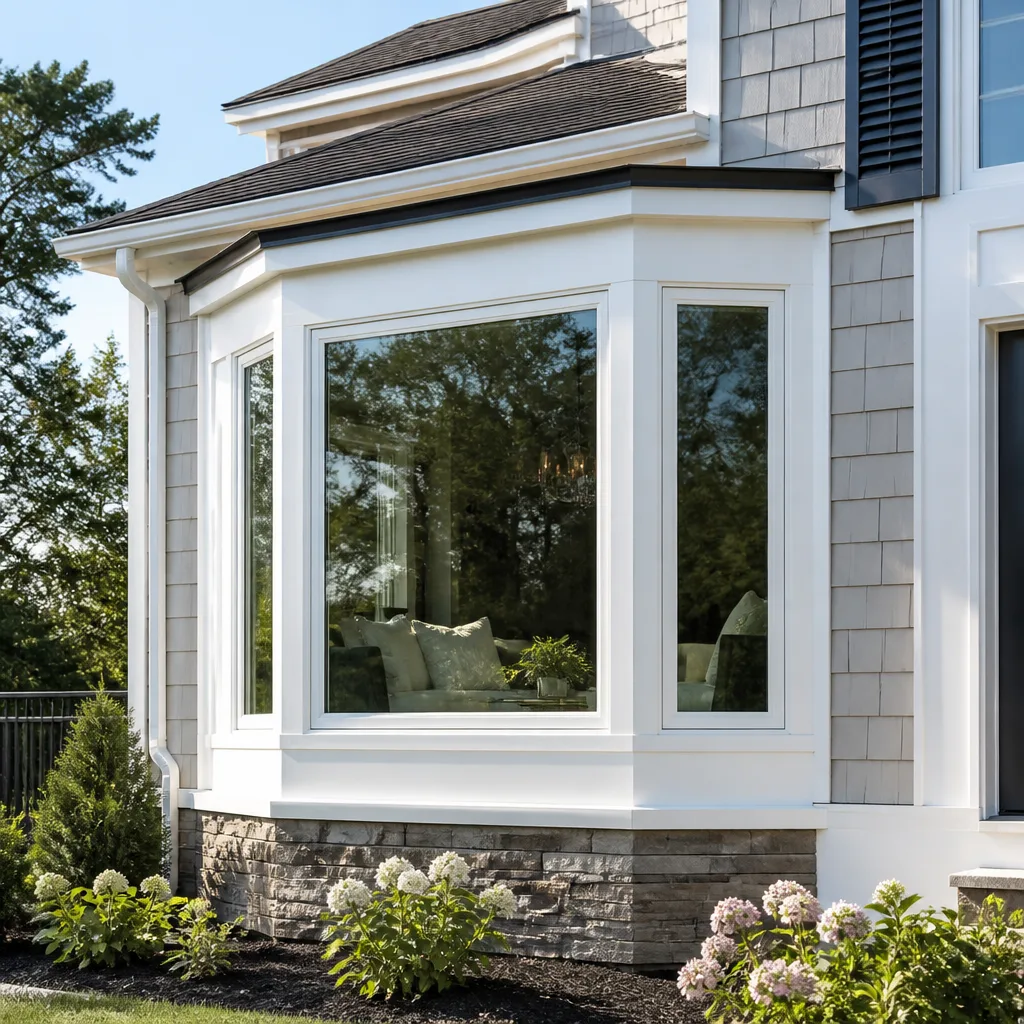 Bay & bow
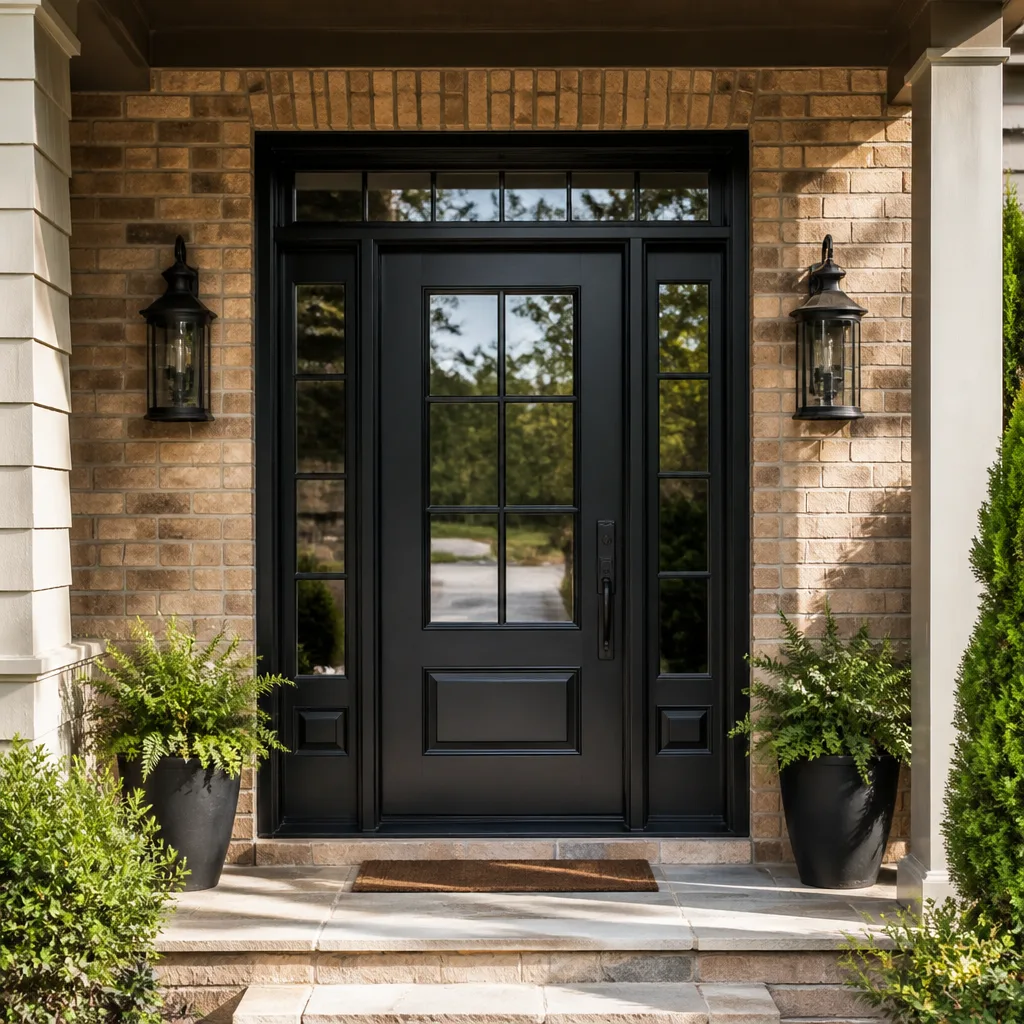 Entry doors
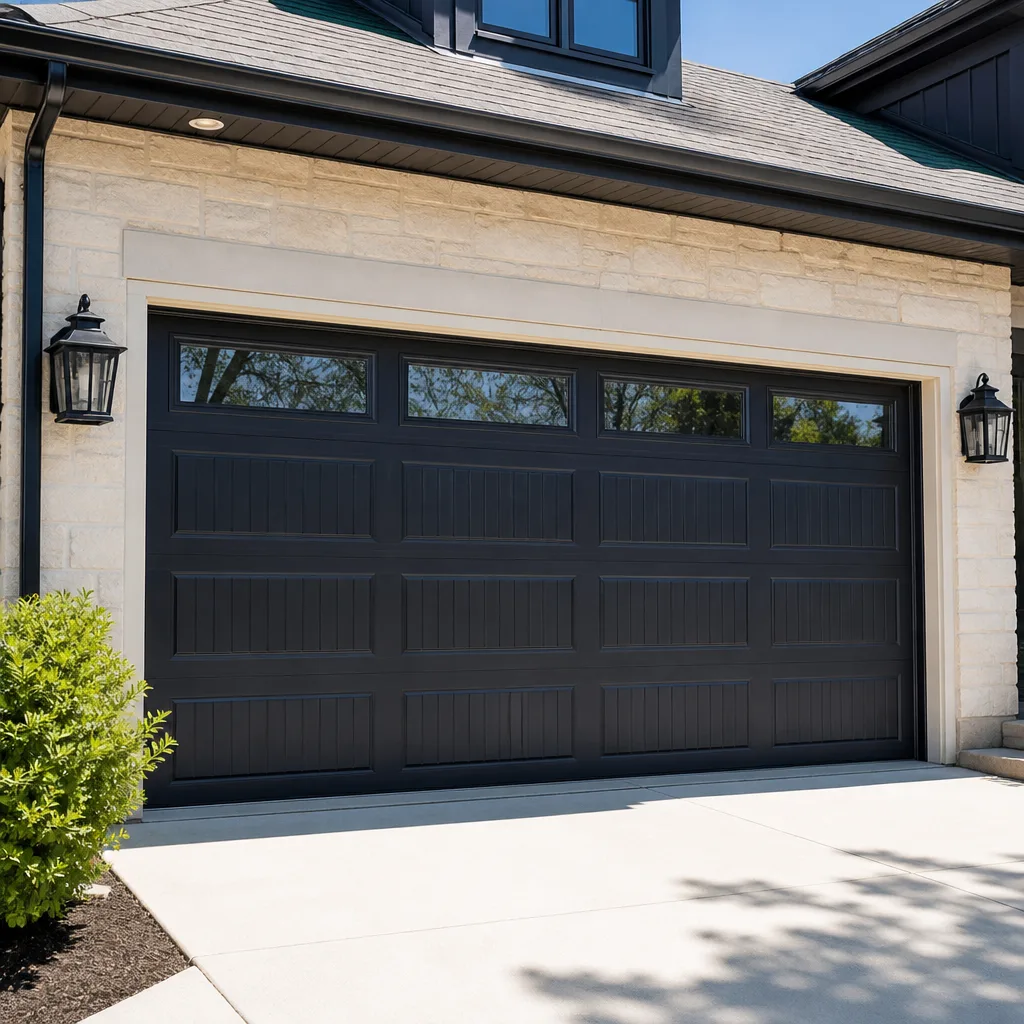 Impact garage doors
 PGT
 CGI
Free in-home measure and quote - PGT, CGI and CWS impact lines compared on your actual openings, style by style
Get your free estimateHow to Hire a Windows & Doors Contractor in Citrus Heights: A Step-by-Step Guide
Here’s the mistake we see most often, and it rarely feels like a mistake at the time. A homeowner in Citrus Heights collects three bids, picks the lowest one, and assumes the hard part is over. The problem is that the bid that looked cleanest on paper may have come from a general contractor who installs windows between roofing and siding jobs, not from a true windows-and-doors specialist. Both can hand you a glossy quote. Both can name a brand. But the trade focus behind that quote is a different thing entirely, and it shows up years later in how the units sit, seal, and perform. This guide walks you through the license types, the interview questions, the contract language, and the local red flags that separate a genuine specialist from a generalist filling slow weeks.
Quick Answer
Hiring a windows and doors contractor in Citrus Heights comes down to three checks: confirm the license type (C-17 glazing, C-28, or B general building) and what it actually covers, put the exact product and brand names in writing so all bids compare the same scope, and ask five pointed questions that reveal whether the contractor specializes in windows and doors or treats them as filler work. A dedicated specialist who installs these products daily will almost always outperform a general contractor on fit, sealing, and warranty follow-through, even when the specialist’s bid isn’t the cheapest.
Styles & brands we work with
- Single hung
- Double hung
- Horizontal roller
- Casement
- Bay & bow
- Sliding glass doors
- Entry doors
- Impact garage doors
- PGT
- CGI
Table of Contents
- Which California license types actually cover window and door work?
- How do you tell a specialist from a general contractor?
- The five interview questions that reveal a generalist
- How to write a scope document for apples-to-apples bids
- How to read a window replacement contract
- What Citrus Heights weather demands from your windows and doors
- Sacramento-area red flags to walk away from
- When to call a professional
Which California license types actually cover window and door work?
In California, any contractor with a valid C-17 glazing license or a B general building license can legally install your windows. That single fact trips up a lot of homeowners in Citrus Heights, because it makes the license check feel finished when it’s only started. The license type tells you what kind of work the contractor is built around, and that’s the part worth reading carefully before you collect bids.
Here’s how the main license classes break down for window and door work:
- C-17 (Glazing): A specialty license covering the installation of glass and glazed products, including windows, window walls, storefront systems, and related glazing. This is the trade-specific class for glass work, and it requires demonstrated expertise in that scope rather than general construction.
- C-28 (Doors, Gates, and Activating Devices): A specialty license covering door installation and the hardware and operators that go with them, including automatic and activating devices. Relevant when the job leans heavily toward entry doors or sliding door systems.
- B (General Building): A broad license that allows a contractor to build, remodel, and install across many trades, with the option to subcontract specialty work. Window installation can fall under a B license, but the license itself doesn’t demonstrate glazing-specific expertise the way a C-17 does.
Why does this matter in Citrus Heights? Because a B-licensed general contractor can legally hand your window install to a subcontractor, and that subcontractor may be a different crew on every job. A C-17 specialist, by contrast, is licensed around the glass trade itself. Neither license is a guarantee of quality, but the C-17 signals a contractor whose business is built on glazing, not a company adding window installs to a broader menu.
One practical step: verify any contractor’s license status directly through the Contractors State License Board before you sign anything. Ask which license class they hold and who will actually perform the installation – the license holder, an employee crew, or a subcontractor. The answer tells you a great deal about how the job will go.
How do you tell a specialist from a general contractor?
A true windows-and-doors specialist and a general contractor can look nearly identical on a quote. Both list products. Both give you a timeline. Both promise clean work. The difference shows up in how they talk about the products and what they do when a detail gets complicated.
We’ve found the clearest signal is product breadth paired with depth. A specialist carries several manufacturer lines because different homes and different priorities call for different products. A single-brand dealer sells you the one brand they stock, whether or not it fits your home. A generalist often works through a distributor and may not know the finer differences between product lines at all.
Consider what a real conversation sounds like. A specialist can explain why an impact-resistant line makes sense for one home and an energy-focused system makes sense for another. They can compare a CGI unit against a CWS unit on the points that matter – frame construction, glazing options, hardware, and how each performs in this region’s heat. They treat the front door as a performance component, not an afterthought, which is why entry doors from a dedicated line like Therma-Tru get the same attention as the windows.
General contractors who added windows to their service menu are not villains. Many do solid work. But their crews rotate between roofing, siding, and remodeling, so the glazing and door work happens between other jobs rather than every day. A specialist’s crew installs windows and doors as the core of the trade, which shows up in the fit and finish.
The other difference is scope. A dedicated windows-and-doors contractor handles window replacement in Citrus Heights and door work under one roof, so the front door and the windows beside it get planned together rather than by separate trades on separate schedules. That single-scope approach removes the handoff where alignment, trim, and sealing details usually slip.
The five interview questions that reveal a generalist
You don’t need a long interrogation. Five questions will tell you whether you’re talking to a specialist or a generalist, and the answers are hard to fake.
- “What percentage of your work is windows and doors?” A specialist answers quickly with a high figure and can describe the work in detail. A generalist hedges and mentions remodeling or repairs alongside windows.
- “Which manufacturer lines do you install, and why those?” A specialist names several and can explain the differences between them – impact-resistant versus energy-focused versus decorative glass. A generalist often names one brand or says “whatever the supplier has.”
- “Who performs the installation – your own crew or a subcontractor?” You want a clear answer. If the work gets subcontracted, ask who and whether the same crew installs every job.
- “What does the manufacturer warranty cover, and how do I get it in writing?” A specialist knows the warranty terms and how they pass to you. A generalist may not have read the warranty carefully.
- “Will you pull the permit for this job, and who handles the inspection?” A specialist does this routinely and says so plainly. A generalist may describe the permit as optional or suggest you skip it.
Ask these before you get bids, not after. The answers help you decide which contractors deserve a place in your comparison, so you’re comparing specialists rather than mixing categories. That one filter saves more money than haggling over the lowest number ever will.
One more question worth adding when the job includes doors: “Do you install entry doors as part of your normal scope, or as a separate trade?” A contractor who handles door replacement as part of the same trade can coordinate the door, the sidelites, and the surrounding windows so the front of the house reads as one project.
How to write a scope document for apples-to-apples bids
Getting three bids only works if the three bids are for identical products and identical scope. Otherwise you’re comparing a premium impact-rated unit against a builder-grade window and calling the cheaper one the winner. The fix is a written scope document you hand to every contractor before they bid.
A good scope document is short and specific. Include:
- The exact product and brand for each opening. Naming a manufacturer – ECO Window Systems, ES Windows, and similar – and the specific line within that brand keeps every bid on the same product.
- Unit count and locations. A simple list of which openings get new windows or doors, with sizes where you have them.
- Glass and glazing specifications. Whether you want energy-focused glazing or impact-resistant glazing, spelled out.
- Exterior and interior finish expectations. Trim, caulking, and how the openings get closed out after installation.
- Debris removal. Stated explicitly, because it varies.
- Permit responsibility. Who pulls it and who is present at inspection.
Hand the same document to all three contractors. Then you can line the bids up side by side and see where the differences actually come from – product choices, scope, or labor. When the products and scope match, the low bid is a real comparison. When they don’t, the low bid is a mirage.
We always recommend getting an itemized, written quote rather than one lump sum. An itemized quote shows the product cost per opening, the labor, the permit fee, and the debris removal separately, so you can see whether a bid is cheap because it uses a lower-grade product or because the contractor is more efficient. Window replacement or installation also has a minimum project size – three openings or more – so build your scope around the full project rather than a single window, since most contractors won’t take a one- or two-window job.
For a project that includes a sliding door and a new entry door alongside the windows, the scope gets more complex. A contractor who handles window installation and door work together can plan the sequence so the openings line up and the finish work is consistent from the front door to the back patio.
How to read a window replacement contract
The contract is where the job is won or lost. Three clauses matter most, and they’re the ones homeowners skim past.
Scope of work specificity. A strong contract names each opening, the product, the brand, the model or line, and the finish. A weak contract says “replace windows as discussed.” The vague version leaves room for the contractor to swap in a lesser product or skip finish work, and you have no written basis to argue. Read the scope description against your bid document line by line.
Manufacturer warranty pass-through language. Window and door brands back their products with warranties, and those warranties need to pass to you as the homeowner. Look for language stating that manufacturer warranties are assigned or passed through to you in writing. Some contracts only mention the contractor’s own workmanship warranty and say nothing about the manufacturer’s product warranty – ask where the product warranty terms are documented.
Debris removal and finish terms. Old windows and doors have to go somewhere. The contract should say who removes them, whether the area gets cleaned up, and what happens to the interior and exterior trim after installation. “Debris removal included” is better than silence.
A few more items to check before signing:
- Payment terms – a deposit at signing and a balance at completion is typical; avoid contracts that front-load most of the payment.
- Permit responsibility stated in writing, with the contractor named.
- A start and completion window, with weather allowances noted.
- Any change-order process, so a surprise found mid-job doesn’t become an open-ended charge.
If a clause isn’t clear, ask the contractor to explain it in writing before you sign. A specialist answers these questions comfortably. A generalist often can’t connect the product warranty to the contract language at all.
What Citrus Heights weather demands from your windows and doors
Citrus Heights sits in the Sacramento Valley, and that means long, hot summers and mild, wetter winters. Windows here take a real beating from summer heat, and the sun exposure on south- and west-facing glass is intense. That climate makes a few product decisions more important than they’d be in a milder region.
Energy performance matters through the hot months. A window that performs poorly against solar gain turns a west-facing room into an oven and drives up cooling costs. Energy-focused systems from manufacturers like ECO Window Systems are built around glazing and frame choices that cut heat transfer, and a specialist can match the glazing to the orientation of each opening. A window on the shady north side has different demands than one baking in afternoon sun, and the right specialist accounts for that.
Winter rain brings the second concern: sealing. This region doesn’t get deep cold, so freeze-thaw isn’t the issue, but wind-driven rain and seasonal moisture will find any gap in flashing, caulking, or frame integration. Poor installation shows up as draftiness, water intrusion at the sill, and eventual frame damage. That’s why the quality of installation matters as much as the product itself – a premium unit installed badly performs worse than a mid-grade unit installed right.
Homes around Citrus Heights vary, from mid-century builds to newer construction. Older homes often carry single-pane aluminum windows that radiate heat inward in summer. Replacement with modern glazing meaningfully changes how those rooms feel. A dedicated windows-and-doors contractor can walk the house, note the orientation and condition of each opening, and recommend products accordingly rather than applying one system to every window. That’s a conversation a specialist has on every project in this valley, which is why the recommendation tends to fit the house rather than the dealer’s inventory.
Sacramento-area red flags to walk away from
The Sacramento-area market has a few patterns worth recognizing. Most bids are honest, but the warning signs below come up often enough that you should know them before you sign.
- Pressure to decide same-day. If a quote comes with a “this price is only good today” line, treat that as a selling tactic, not a deadline. Specialists give you time to compare products and bids without a countdown clock.
- Vague brand names. “Premium windows” or “contractor-grade” without a manufacturer name is a red flag. You should know the brand and the product line before you compare.
- Permits described as optional. Permit requirements vary by jurisdiction and scope, so check with the city of Citrus Heights building department on what your job needs. But if a contractor shrugs off permits entirely, that’s a sign they’re routing around the process rather than through it.
- No C-17 or trade-specific license, with windows as one line on a long menu. A broad menu can mean windows get installed occasionally rather than daily.
- One manufacturer only. A single-brand dealer has a reason to steer every home toward that brand, whether or not it’s the best fit.
- Subcontracting out every install. If the crew changes job to job, the accountability gets murky when something needs to be made right.
Walk away from any contractor who won’t put product names, permit responsibility, and debris removal in writing. The right contractor will explain the terms plainly and answer questions without defensiveness. Compare window replacement options from a specialist who can present several manufacturer lines side by side rather than steering you toward a single product.
See the difference
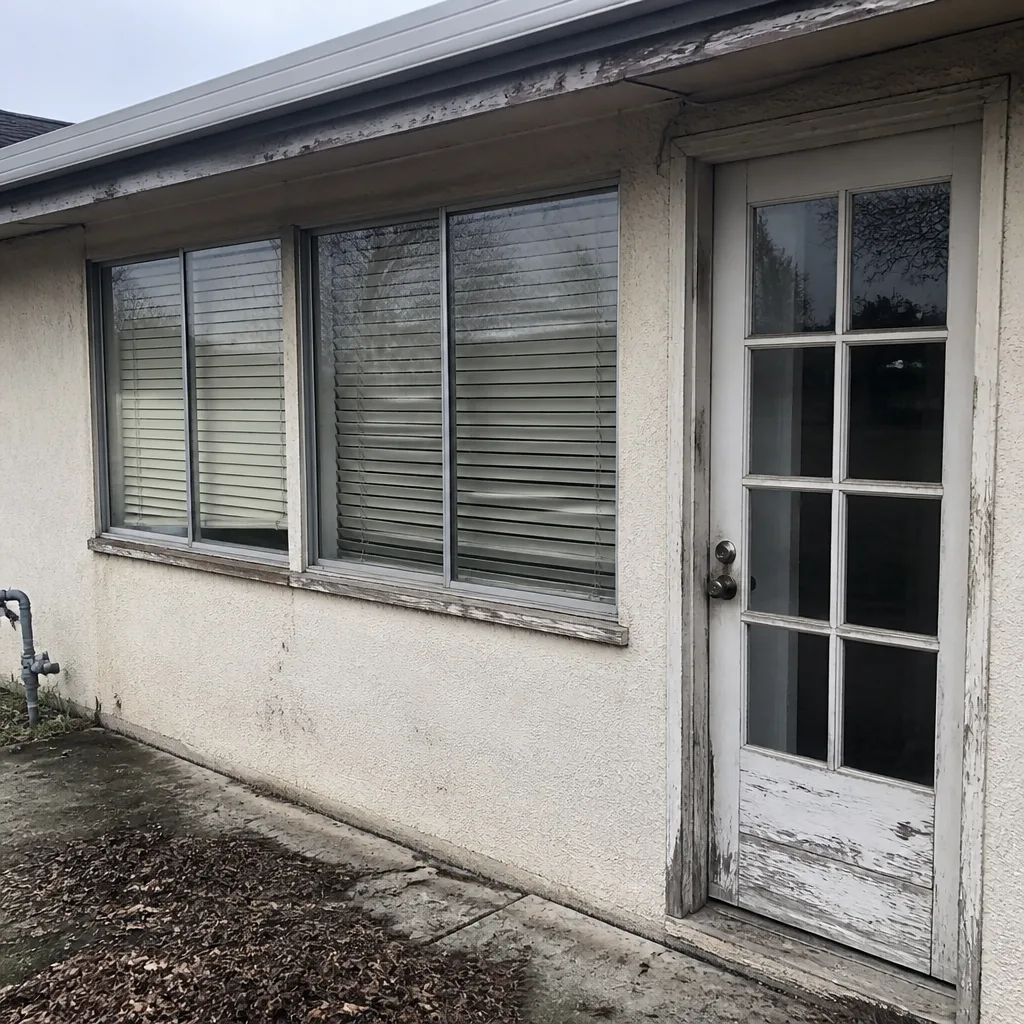 Before
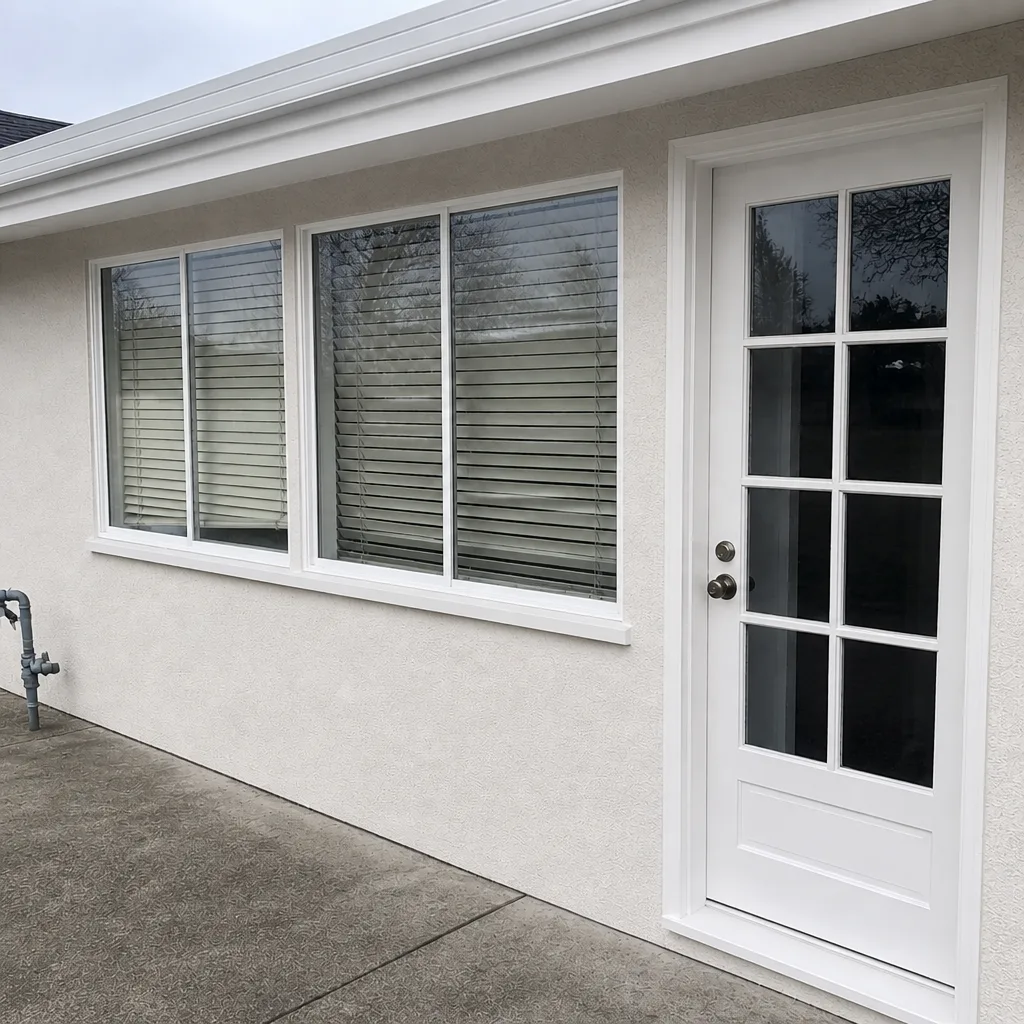 After
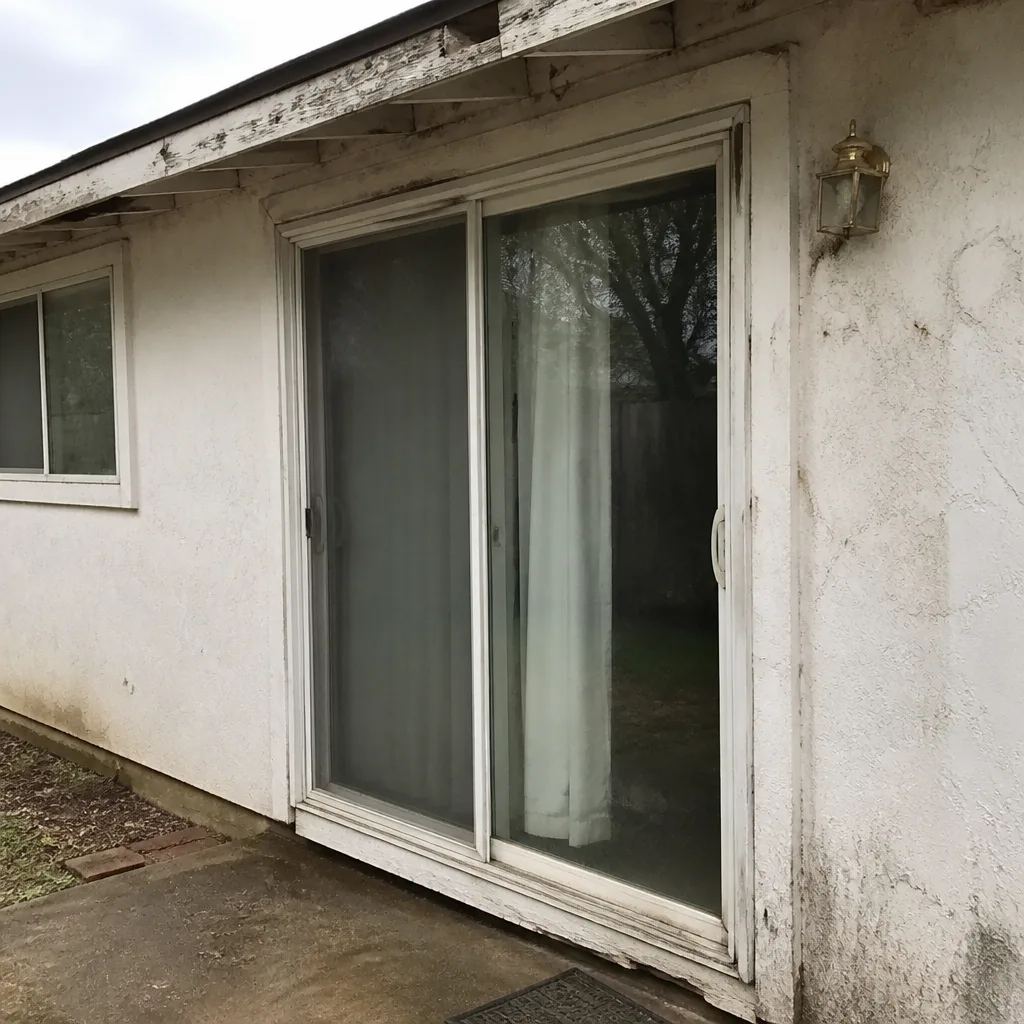 Before
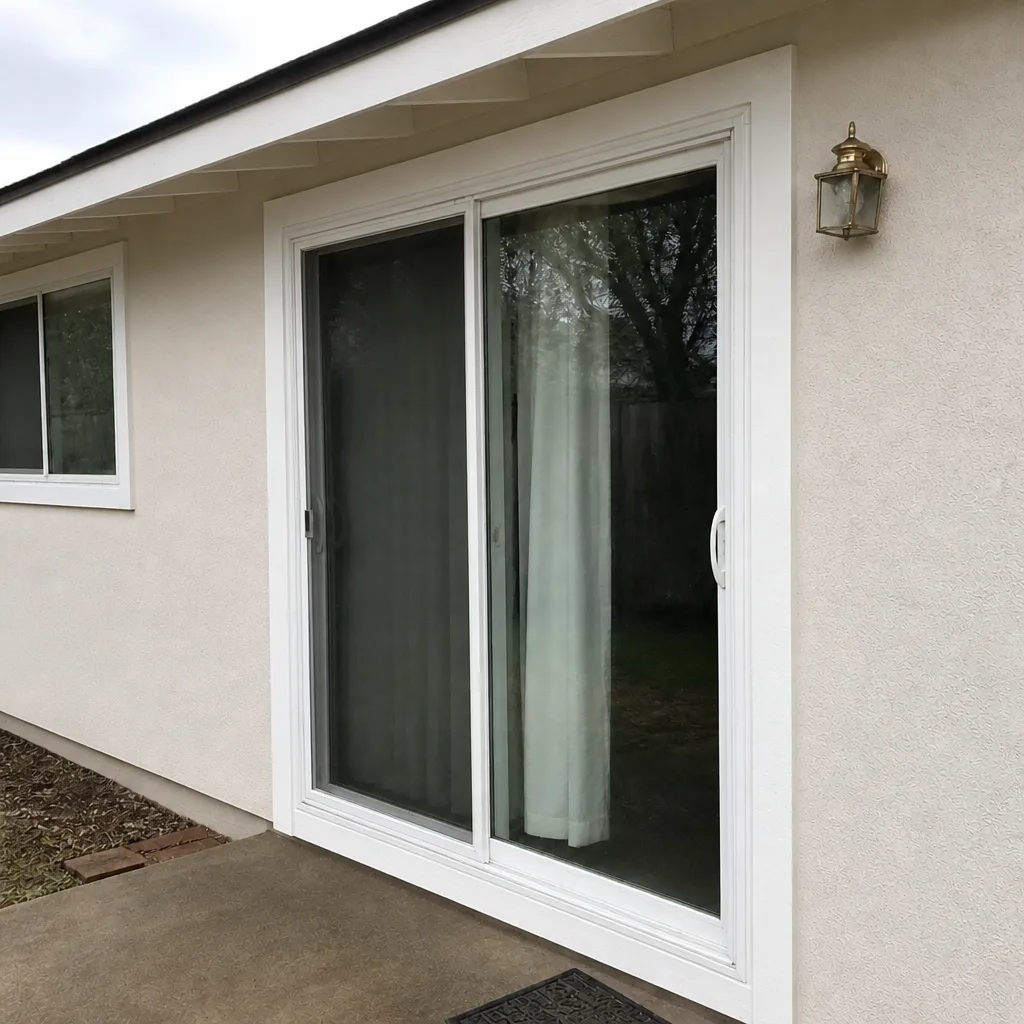 After
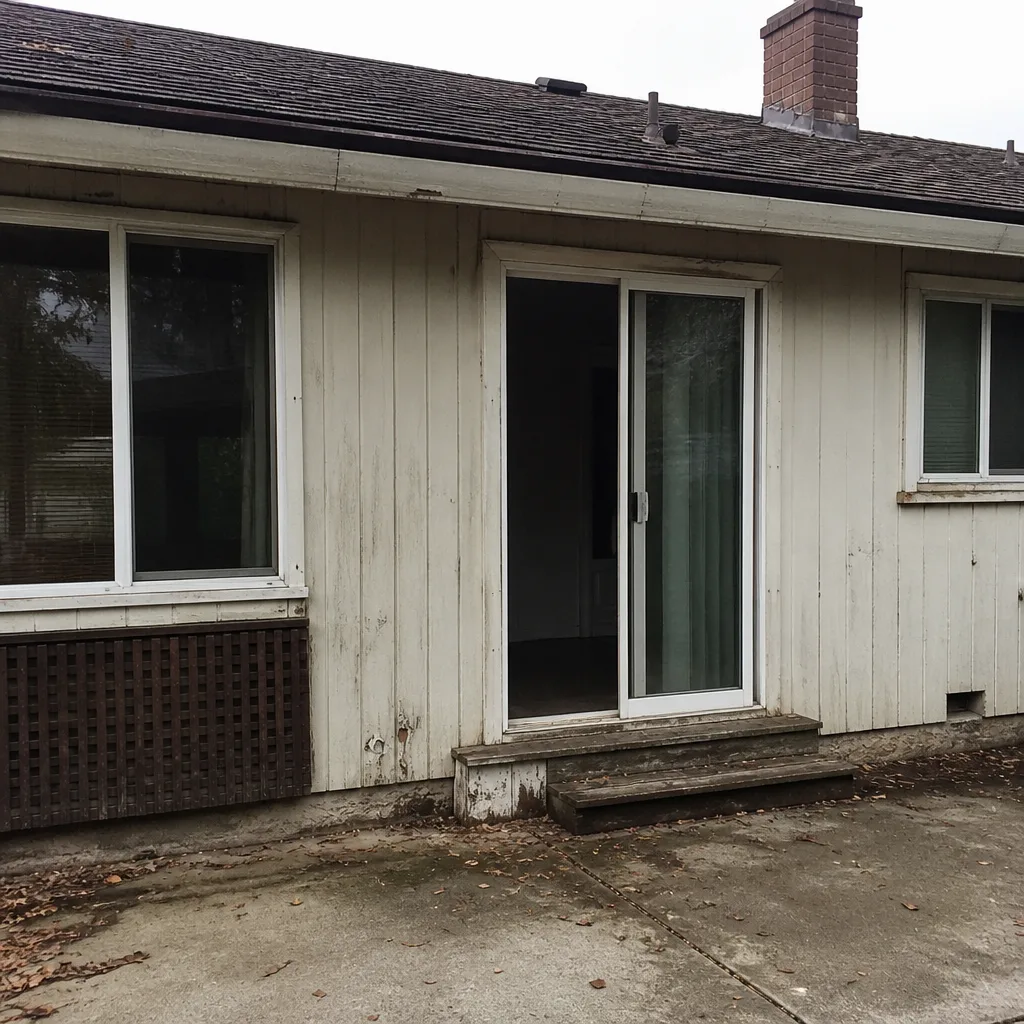 Before
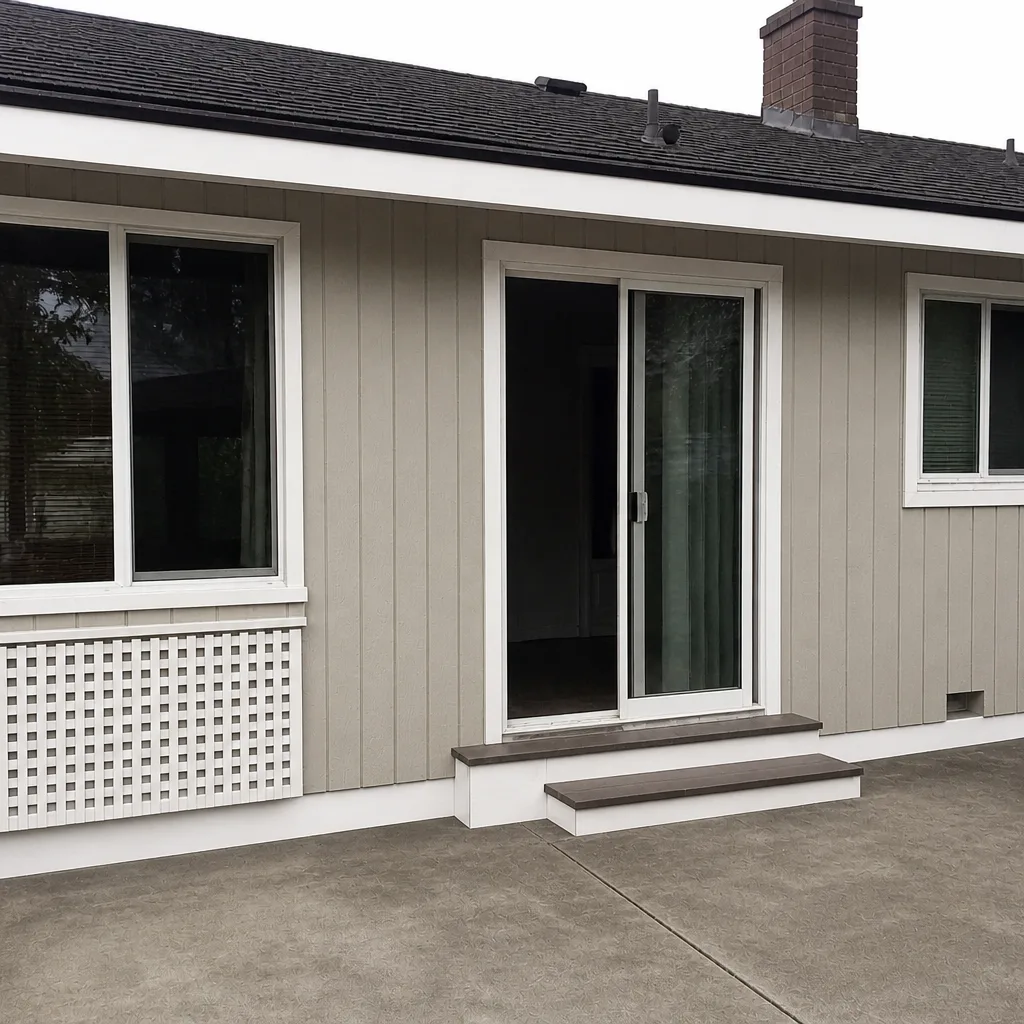 After
Common Mistakes to Avoid
- Choosing the lowest bid when the bids aren’t comparable. The cheapest quote often hides a lesser product or a narrower scope. Write the scope document first so every bid covers the same products.
- Assuming any licensed contractor is a window specialist. A B-licensed general contractor can legally install windows without any glazing-specific expertise. Check the license type and ask how often they install windows.
- Skipping the permit question. Ask who pulls the permit and who meets the inspector. A contractor who treats permits as optional is signaling how they handle the whole job.
- Not getting the manufacturer warranty in writing. The product warranty needs to pass to you, and the contract should say so. A verbal “it’s covered” isn’t enough.
- Ignoring sun orientation when picking glazing. In the Sacramento Valley heat, a west-facing window needs different glazing than a north-facing one. A contractor who treats every opening the same isn’t giving you a real recommendation.
- Waiting to address foggy or drafty units. Failing seals and drafty frames only get worse, and a damaged frame can complicate a replacement down the line. Plan the project before the problem spreads.
- Forgetting the front door. Entry doors take daily wear and affect curb appeal. A windows-and-doors specialist plans the door alongside the windows rather than leaving it for later.
When to Call a Professional
Some window and door problems are cosmetic. Others are signs the opening is failing and will affect the rest of the house if left alone. Call a professional when you notice draftiness around a closed window on a hot afternoon, condensation or fogging between panes that won’t clear, a frame that’s warped or soft in places, or a door that’s begun to stick or let in water. In Citrus Heights, the hot summers and rainy winters put real stress on older aluminum windows, so a sudden rise in cooling costs is another signal worth acting on. If the frames themselves are failing or a unit is beyond a simple adjustment, the answer is replacement rather than ongoing patching, and a specialist can scope the job properly. Window Replacement Citrus Heights offers free estimates in Citrus Heights – call (279) 321-4124. Projects of three openings or more are our minimum, so plan the scope accordingly.
Frequently Asked Questions
No. In California, a contractor can install windows under a C-17 glazing license, a C-28 doors and activating devices license for door work, or a B general building license. The license type tells you how specialized the contractor is: a C-17 is built around the glass trade, while a B license covers a broad range of building work with windows as one option. Verify any contractor’s license through the Contractors State License Board and ask who actually performs the installation. Call (279) 321-4124 for a free estimate from a windows-and-doors specialist.
Window replacement costs in Citrus Heights depend on the product line, the glass specification, and how many openings you need, so an exact figure requires a written estimate. Premium impact-resistant lines cost more than energy-focused or standard lines, and door work adds to the scope. Ask for an itemized quote that separates product, labor, permit, and debris removal so you can see where the money goes. Call (279) 321-4124 – estimates are free.
Three bids is the standard number, but only if all three are for the same products and the same scope. If each contractor bids a different manufacturer line or a different scope, the numbers don’t compare, and the lowest bid can come from a lesser product. Write a scope document naming the product, glass, finish, and debris removal, hand it to each contractor, and require itemized quotes. That turns three bids into a real comparison. Call (279) 321-4124 to schedule your free estimate.
Permit requirements depend on the project scope and your local jurisdiction, so confirm with the city of Citrus Heights building department before work begins. Replacement windows in the same opening often fall under a different permit path than new window openings or structural changes. A professional contractor will pull the permit and handle the inspection where one is required. Treat a contractor who calls permits optional as a warning sign. Call (279) 321-4124 to talk through your project.
Ask what percentage of their work is windows and doors, which manufacturer lines they install, and who performs the installation. A specialist answers with several brands and explains the differences between them, and can describe impact-resistant versus energy-focused products. A generalist typically names one brand or leaves the answer vague. Also confirm their license type and ask whether their crew installs windows and doors every day or between other jobs. Call (279) 321-4124 for a free estimate.
Yes, if the door matters to you on performance or appearance, it’s worth planning the door replacement alongside the windows rather than later. A windows-and-doors specialist can coordinate the entry door with the surrounding windows so alignment, trim, and sealing are handled as one scope. In the Sacramento Valley, a well-fitted entry door also affects how much heat enters and how well the front of the home seals. Projects of three openings or more are our minimum. Call (279) 321-4124 – estimates are free.
The Bottom Line
The biggest hiring mistake in Citrus Heights isn’t picking the cheapest bid. It’s failing to tell a windows-and-doors specialist apart from a general contractor who added window installs to a broad menu, because the two can look identical on a quote. Check the license type – C-17, C-28, or B – and what it actually covers. Ask five pointed questions about work focus, brand lines, crews, warranties, and permits. Write a scope document so every bid compares the same products. Read the contract for specific scope, warranty pass-through, and debris removal. Walk away from same-day pressure, vague brand names, and permits described as optional. Do those things, and the specialist you choose will be the one whose work holds up season after season.
Window Replacement Citrus Heights offers free estimates in Citrus Heights – call (279) 321-4124 to schedule yours.
Written by the team at Window Replacement Citrus Heights.