Last updated November 25, 2026
 Sliding glass doors
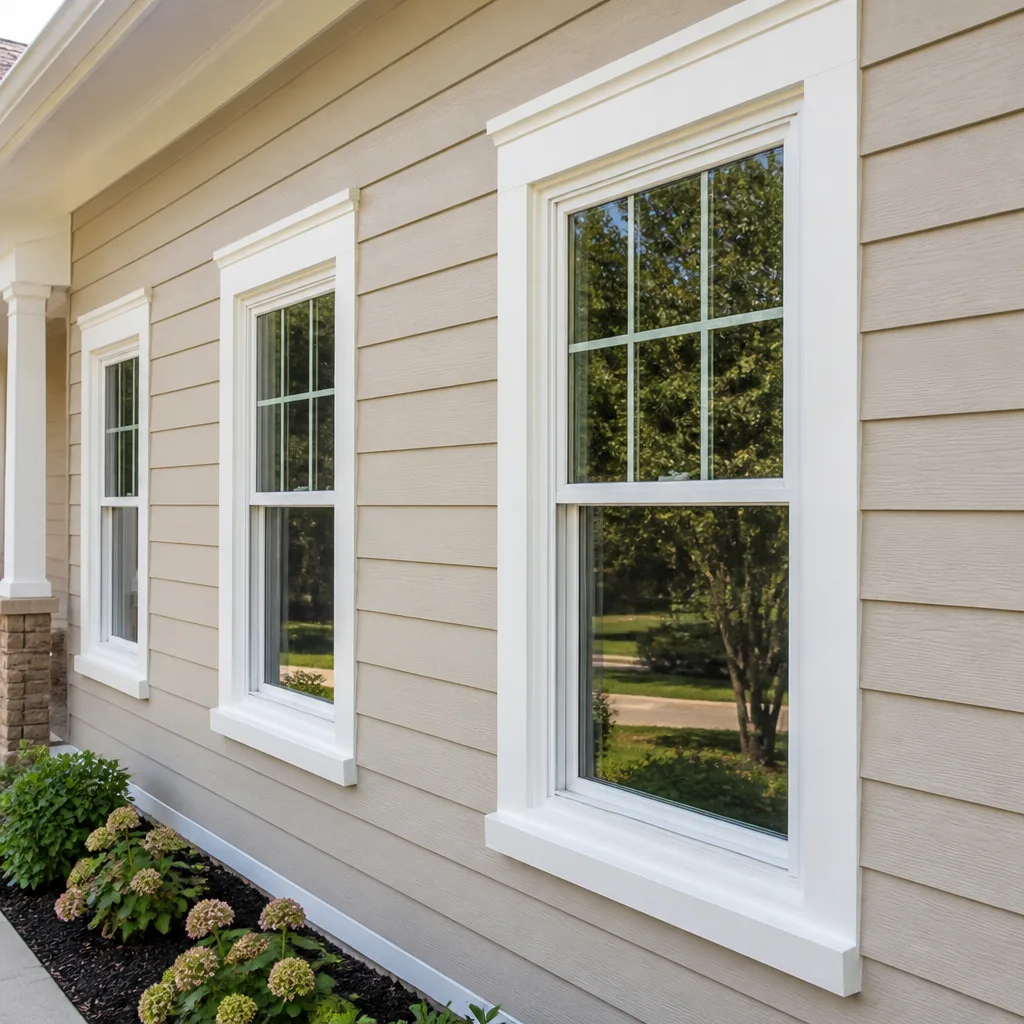 Single hung
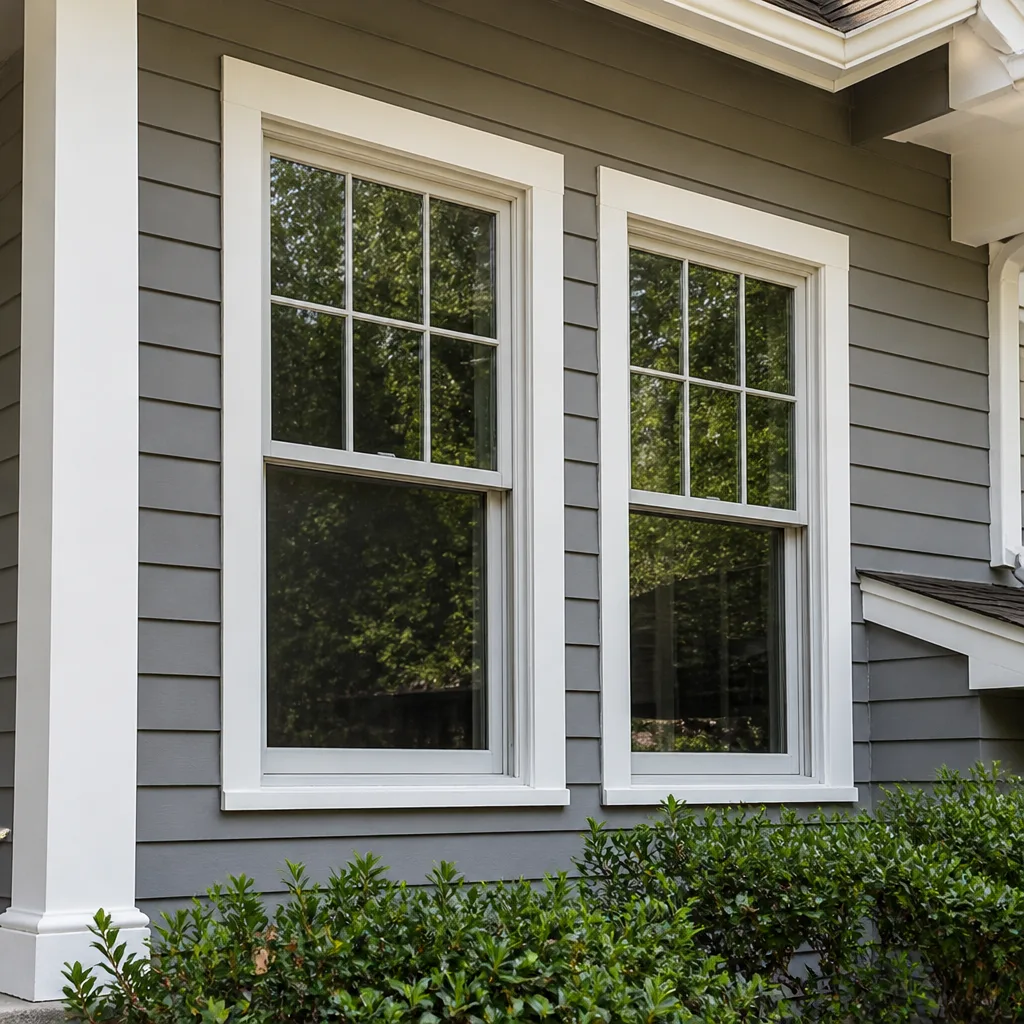 Double hung
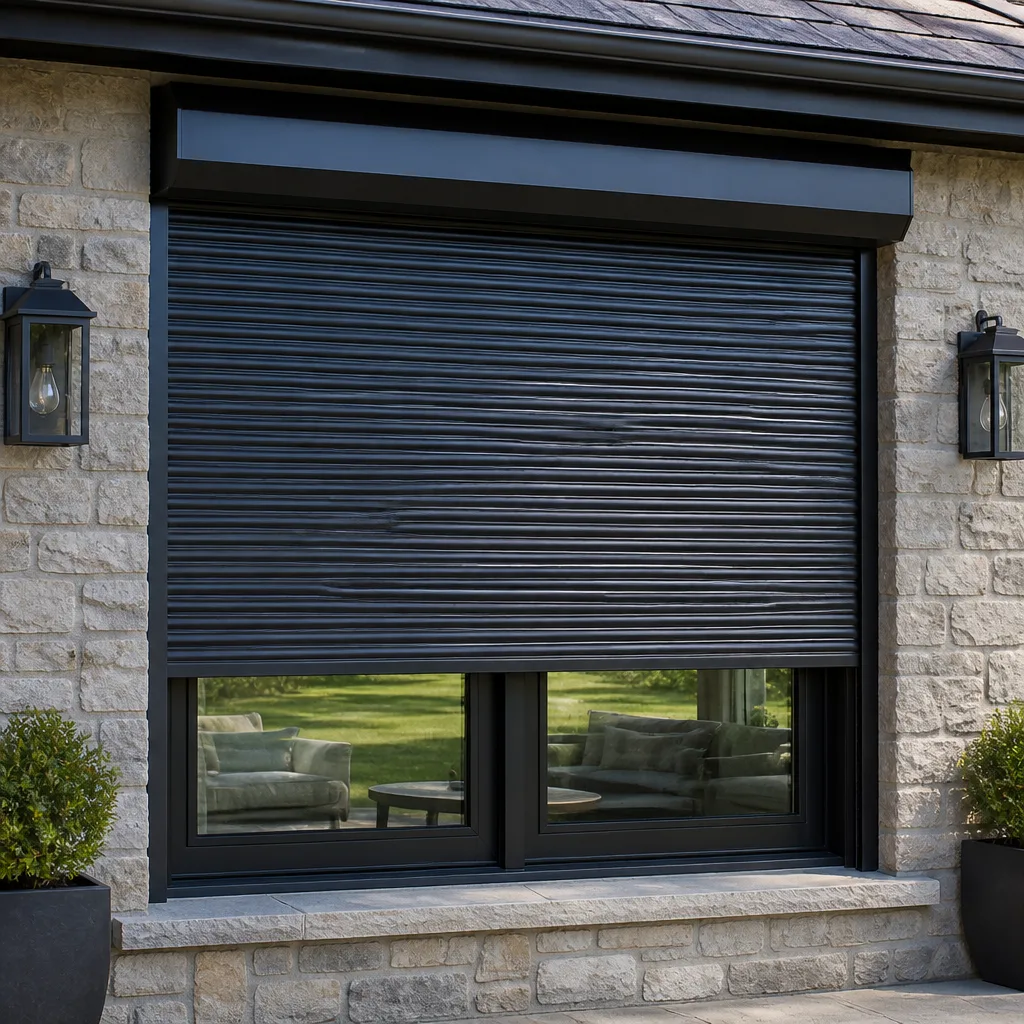 Horizontal roller
 Casement
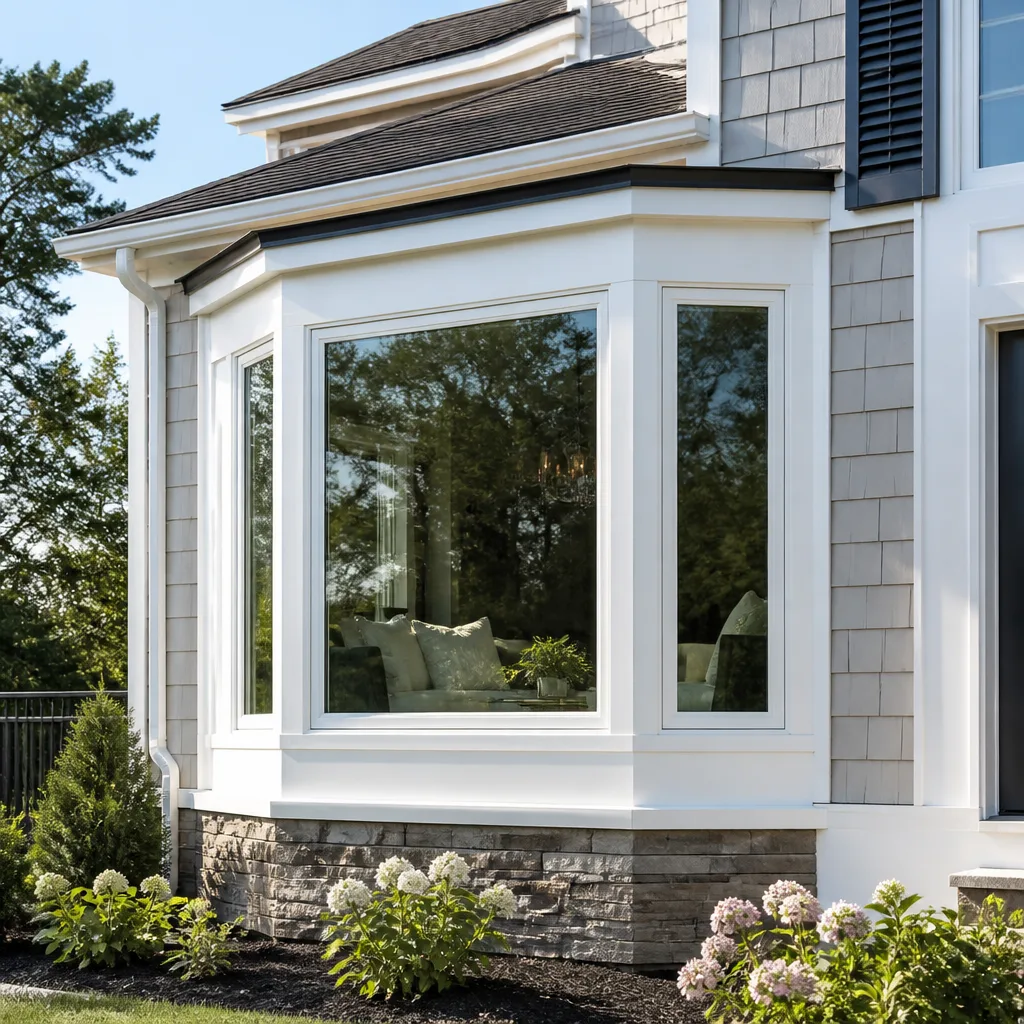 Bay & bow
 Entry doors
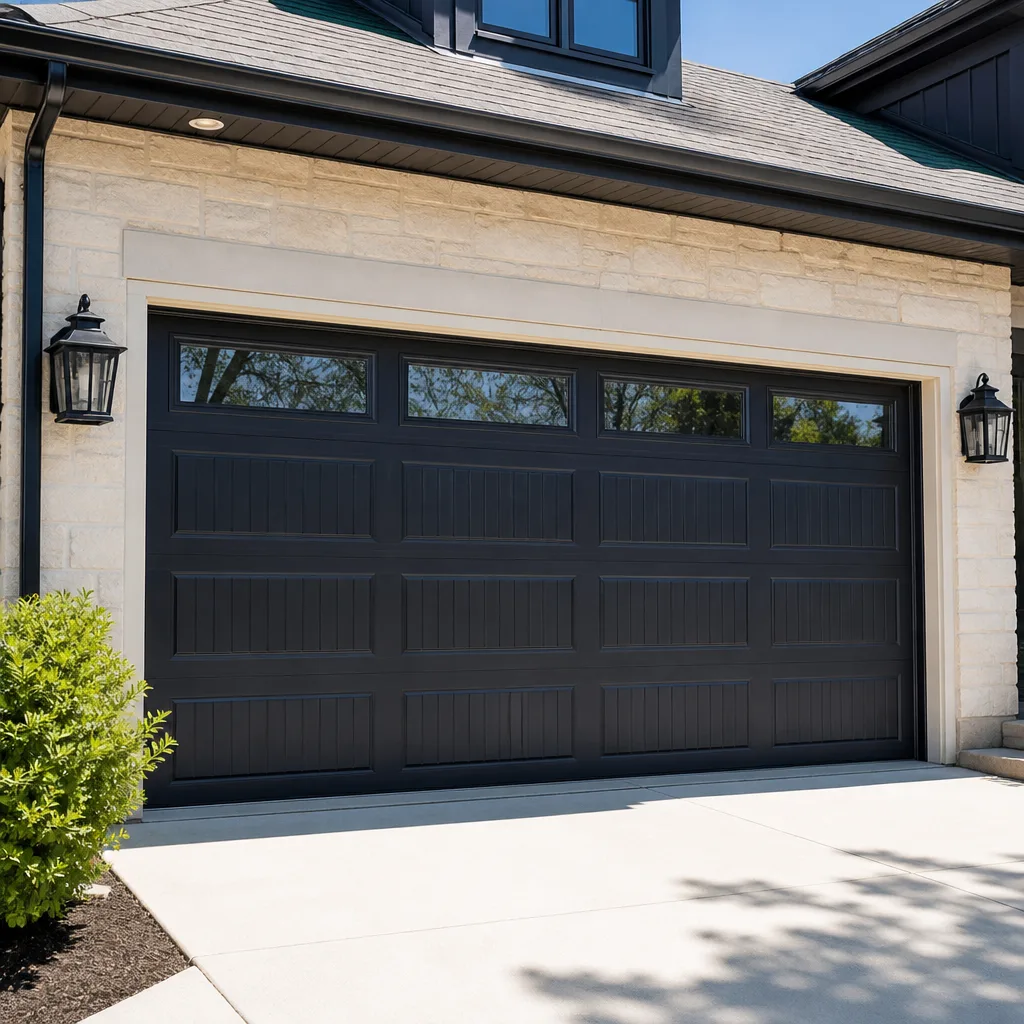 Impact garage doors
 PGT
 CGI
Free in-home measure and quote - PGT, CGI and CWS impact lines compared on your actual openings, style by style
Get your free estimateDIY vs Professional Windows & Doors: The Citrus Heights Homeowner’s Decision Guide
Here’s the part most DIY guides skip: a confident, hands-on homeowner can absolutely install a window square and tight and still end up with a problem that has nothing to do with workmanship. In California, the paperwork that has to travel with a replacement window is its own hurdle, and it’s the one that trips people up years later. We’ve walked Citrus Heights homeowners through enough of these decisions to know that cost is only one piece of the puzzle. This guide lays out where DIY genuinely saves money, where it quietly costs more, and how to decide which path fits your home.
Quick Answer
DIY window and door installation can save on labor, but in Citrus Heights it rarely saves as much as it appears to once you factor in permits, the California energy compliance documentation a licensed installer has to sign, and manufacturer warranty conditions that often require professional installation to stay valid. For a single hardware or weatherstripping fix, DIY is reasonable. For a full replacement or new installation, professional installation is the safer financial and legal choice.
Styles & brands we work with
- Single hung
- Double hung
- Horizontal roller
- Casement
- Bay & bow
- Sliding glass doors
- Entry doors
- Impact garage doors
- PGT
- CGI
Table of Contents
- Why California’s Rules Change the DIY Math
- Title 24 and the CF2R Form: The Paperwork You Can’t Sign Yourself
- What DIY Really Saves: A Realistic Cost Breakdown
- The Warranty Clause Most Homeowners Miss
- Which Window and Door Tasks Are Safe to DIY
- Where DIY Goes Wrong: Water Intrusion and Structural Problems
- A Decision Framework: Home Age, Scope, and Sell Timeline
- Common Mistakes to Avoid
- When to Call a Professional
Why California’s Rules Change the DIY Math
Most DIY-versus-pro comparisons are built around one number: the labor rate. Skip the labor, keep the savings. That works for a fence or a deck. It falls apart with windows in California because a replacement window is a regulated energy product, not just a piece of framed glass. When you replace a window in an existing home, the state wants documentation that the new unit meets the energy performance rules for the climate zone.
Citrus Heights sits in the Sacramento Valley, where summer heat is the dominant force shaping how a window performs. Afternoon sun on a west-facing wall can push interior temperatures up fast, and the glazing, frame, and installation sealing all determine how much of that heat the unit keeps out. That’s exactly why the state treats replacement windows as a compliance item rather than a cosmetic upgrade. It’s also why the paperwork asks for the specific performance values of the product you installed, not just a receipt.
Here’s where the homeowner runs into a wall. The compliance document that accompanies a replacement requires a signature from a licensed contractor who performed the installation. That signature isn’t a rubber stamp you can apply to your own weekend project. Without it, you can still physically install a window, but you can’t produce the documentation that a future buyer’s inspector, appraiser, or lender may ask for at resale. The work might be flawless and the record still incomplete.
- The installation itself is an assembly task: leveling, shimming, sealing, flashing. A skilled DIYer can learn it.
- The compliance record is a regulatory task: specific forms, specific signatures, specific product data. It’s a different skill set entirely.
- The two don’t travel together unless the person who did the work can sign for it.
In our experience, this is the gap that catches people who are otherwise very capable. It’s not about whether you can swing a hammer. It’s about whether the finished job produces the documentation the home needs when it eventually sells.
Title 24 and the CF2R Form: The Paperwork You Can’t Sign Yourself
Title 24 is California’s building energy efficiency standard, and it applies to replacement windows and doors in existing homes. The document that confirms compliance at installation is the CF2R, the installation certificate. It records the product’s performance values and the installer’s confirmation that the unit was installed to meet the standard. A licensed contractor signs it. A homeowner installing their own window cannot self-certify that form.
You may see advice online telling homeowners to pull their own permit and handle the paperwork. Some jurisdictions do allow owner-builder permits for certain projects. But the compliance certificate is a separate matter from the building permit, and a homeowner-signed CF2R is not the equivalent of a contractor-signed one. Ask your local building department how they treat owner-installed window replacements before you buy a single unit, because the answer shapes everything that follows.
What this means for a Citrus Heights home sale
When a Citrus Heights house goes on the market, the inspection and disclosure process digs into improvements. Unpermitted work or missing energy documentation can become a negotiating chip against the seller, or a delay while the buyer’s lender asks questions. That’s true regardless of how neatly the window was installed. A future owner looking at the file wants to see the certificate, not a story about how carefully the DIYer measured.
Where a professional closes the loop
When you work with a specialist, the compliance documentation gets handled as part of the job. Our role is to connect you with the right product from the right manufacturer and make sure the installation record is complete, so the next time someone reviews your home’s paperwork, the windows are accounted for. Eight manufacturers on our roster means we can match the product to the performance the code asks for, rather than retrofitting a single line into every home.
What DIY Really Saves: A Realistic Cost Breakdown
On paper, DIY looks like a clean swap of labor for savings. In practice, window replacement cost in Citrus Heights carries several line items that don’t shrink just because you’re doing the work. The materials cost the same. The permit cost the same. The difference is labor, plus a set of hidden costs that only show up when something goes sideways.
| Line item | Professional install | DIY install |
|---|---|---|
| Product (windows/doors) | Same | Same, often higher at retail |
| Permit and fees | Handled in the scope | You pull it, you pay it |
| Labor | Paid to installer | Your time |
| CF2R compliance certificate | Signed by licensed contractor | Cannot be self-signed |
| Warranty coverage | Preserved per manufacturer terms | May be voided on installation error |
| Water intrusion risk | Covered by installer’s workmanship | On you |
| Resale documentation | Complete | Incomplete |
Notice what’s missing from the table: a clean number for the labor you save. That’s deliberate. The savings exist, but they aren’t the whole calculation. If a DIY install later needs rework to pass an inspection or to satisfy a buyer, the second installation wipes out the labor savings and then some. And if the manufacturer declines a warranty claim because the install didn’t follow their spec, the replacement unit comes out of your pocket.
The time math matters too
A window goes in as a sequence: remove the old unit, inspect the opening for rot, prep and flash it correctly, set and shim the new unit plumb and level, insulate, seal, trim, and finish. Do that for one window and the total can run a full weekend for an experienced DIYer. Do it for eight windows and the project eats weeks of evenings and weekends. If your time has a value, add it to the ledger. Most homeowners who run the full calculation find the savings look smaller than they expected.
The Warranty Clause Most Homeowners Miss
Manufacturer warranties on windows and doors frequently condition coverage on proper installation, and many define “proper” as installation by a licensed or qualified professional following the manufacturer’s published instructions. Buy the product through a distributor and install it yourself, and the warranty may still be valid on the product but limited or void on the installation. That distinction matters when a unit fails because of how it was set, not because of a defect in the glass.
There’s a second layer. Some manufacturers issue warranty coverage that passes through the installing contractor, particularly for labor, sealing, and water management. That pass-through only exists when there’s a documented professional installation behind it. A homeowner installing their own unit isn’t the warranty holder for that layer, because the layer was never created.
The result is that DIY gives you a product warranty with a gap underneath it. If the window leaks at the sill two seasons later, the manufacturer can point to the installation and you’re holding the bag. When we install a unit from a manufacturer like ES Windows or ECO Window Systems, the installation is done to spec, and the product warranty sits on a complete foundation rather than a partial one.
Which Window and Door Tasks Are Safe to DIY
Not every window and door task is a full replacement. Some are genuinely low-risk and reasonable for a homeowner to take on. Here are the ones we’d put in that category, along with the honest limits on each.
- Weatherstripping replacement. A worn door sweep or window seal lets air and water in. Swapping it is a fastener and adhesive job. It’s the single highest-value low-risk task on this list.
- Screen replacement. Spline and screen mesh are inexpensive and the skill is easy to learn. This isn’t repair of the window itself, but it improves the function of the unit.
- Hardware swaps. Replacing a lock, handle, or operator on a door is usually straightforward with the manufacturer’s part. Use the correct part for the model; a universal fit is where homeowners get into trouble.
- Caulking and sealing maintenance. Re-sealing an exterior joint that has cracked is a normal maintenance task. It’s also a good way to catch a leak before it grows.
- Painting and finishing trim. Cosmetic work on existing trim doesn’t touch the weather seal or the structural function of the unit.
Where the line sits
The line is at the point where you’d have to remove the unit from the opening or alter the opening itself. Once you’re pulling a window out, changing the rough opening, or resetting a sliding door frame, you’re in the territory where water intrusion, structural flashing, and the compliance record all come into play. Those tasks belong to a professional, not because the DIYer lacks skill, but because the consequences of a small error compound over years.
If you’re deciding between a repair-level task and a full replacement, our team can help you sort out what’s actually needed. A window installation is a different job from a weatherstripping swap, and the decision should match the condition of the unit.
Where DIY Goes Wrong: Water Intrusion and Structural Problems
Water is the enemy of every window and door, and it finds the smallest opening. The critical work happens at the flashing and the seal, where the unit meets the wall. A window set perfectly level and plumb can still leak if the flashing laps the wrong way or the sealant bead is applied after the trim rather than before. Those details are invisible once the finish goes on, and they’re the most common source of leaks we see in water-damaged openings.
- Reversed flashing: water sheds behind the unit instead of over it. A slow leak that shows up as rot later.
- Poor shimming: the unit appears fine but the frame flexes, breaking the seal over time as the home settles.
- Inadequate sill seal: the bottom of the window is where water collects. Miss it and the wall cavity takes on moisture.
- Wrong product for the opening: a unit sized for one type of installation used in another, leaving gaps the sealant can’t bridge.
- No documentation: even a good install lacks the compliance certificate, which surfaces at resale.
Structural problems are rarer but real. If the rough opening was cut for a different size, or the wall has rot that wasn’t addressed during removal, the replacement window inherits the problem. A professional installation catches this before the new unit goes in. DIY often discovers it after.
A Decision Framework: Home Age, Scope, and Sell Timeline
We use three factors with homeowners deciding between DIY and professional installation. Run your situation through them and the answer is usually clear.
1. Home age
Older Citrus Heights homes often have openings that were built to a different standard than what’s on the market today, and the framing may need attention once the old unit comes out. If your home is older and you haven’t looked inside a wall opening recently, treat a replacement as a professional job until you’ve seen what’s behind the trim. Newer homes tend to have more predictable openings, which makes DIY more viable than it would be in an older house.
2. Project scope
One window is a manageable DIY project for a skilled homeowner. Three or more windows, or any door that involves changing the rough opening, shifts the calculation. Fragmented, piecemeal projects across multiple openings take far longer than the same window count done in one coordinated installation, and the chances of inconsistent sealing multiply with each unit. Our own minimum project is three openings, so if you’re considering a larger scope, it’s worth having a conversation about a coordinated approach.
3. Whether you’ll sell within 10 years
If you plan to sell within a decade, the resale documentation becomes a factor you can’t ignore. A licensed installation with a CF2R on file is worth more at the negotiating table than a perfectly good install with missing paperwork. If you plan to stay for 20 years and never sell, the documentation matters less and the skill equation matters more. Be honest about which timeline you’re on.
If you’re leaning toward professional, a window replacement Citrus Heights specialist can walk you through the product options and the scope. If you’d like to understand the choices before committing, our window replacement page lays out the product range.
Common Mistakes to Avoid
- Buying the product before checking the permit and compliance requirements. Your city’s building department sets the rules, and a unit bought first may not be the one the permit process accepts. Ask before you order.
- Assuming a permit is optional. It isn’t. Unpermitted window work in Citrus Heights can complicate a sale, and the buyer’s inspector will notice replacements that have no record behind them.
- Treating the warranty as a product-only question. Read the installation section of the manufacturer’s warranty before you buy. The “proper installation” clause is where claims get denied.
- Choosing a unit for price alone and not for the climate. In the Sacramento Valley’s heat, performance values matter. A cheap unit with poor solar control raises cooling costs for years.
- Skipping the flashing detail in a hurry. Getting the flashing wrong is the single biggest cause of water intrusion we see, and it’s invisible until the damage shows up.
- Doing one window at a time over many months. Piecemeal projects go wrong because the homeowner loses momentum and the sealing on early units fails before the project finishes.
- Assuming DIY is always cheaper. Run the full calculation including permit, documentation, and potential rework before you decide. Many homeowners find the gap is smaller than expected.
When to Call a Professional
Call a professional when the work involves removing a window or door from its opening, changing a rough opening, or installing three or more units. Call when your home is older and you haven’t inspected the framing, when you plan to sell within a decade, or when the manufacturer’s warranty conditions the install on licensed work. Call if you’re considering a sliding door replacement, since the track and threshold details are where water intrusion most often starts. And call if you’ve read this far and still aren’t sure which side of the line your project falls on. Window Replacement Citrus Heights offers free estimates in Citrus Heights, with written line-item pricing and no change orders. Our technicians have up to 8 years of experience. We carry a broad roster that includes ES Windows, ECO Window Systems, and Mr-Glass, so the product can match your climate needs. Call (279) 321-4124 to schedule your free estimate.
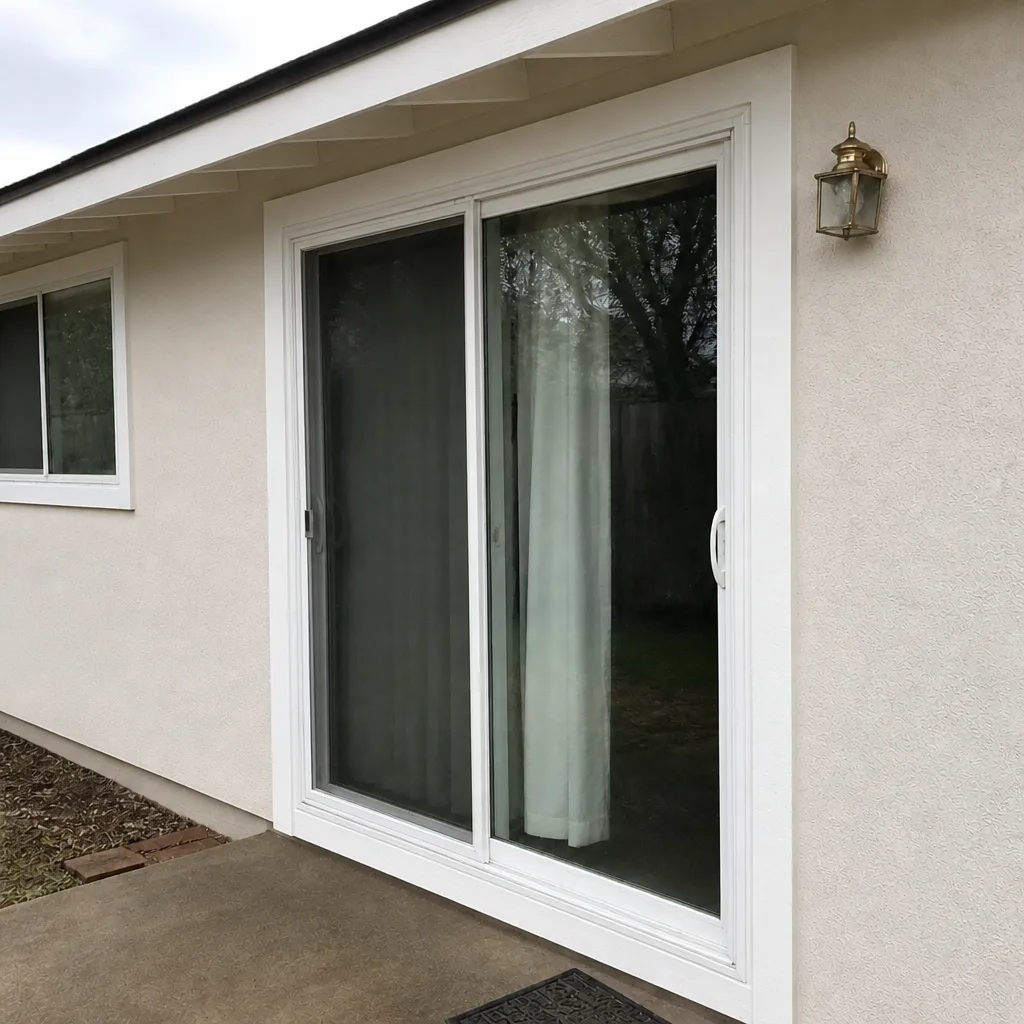
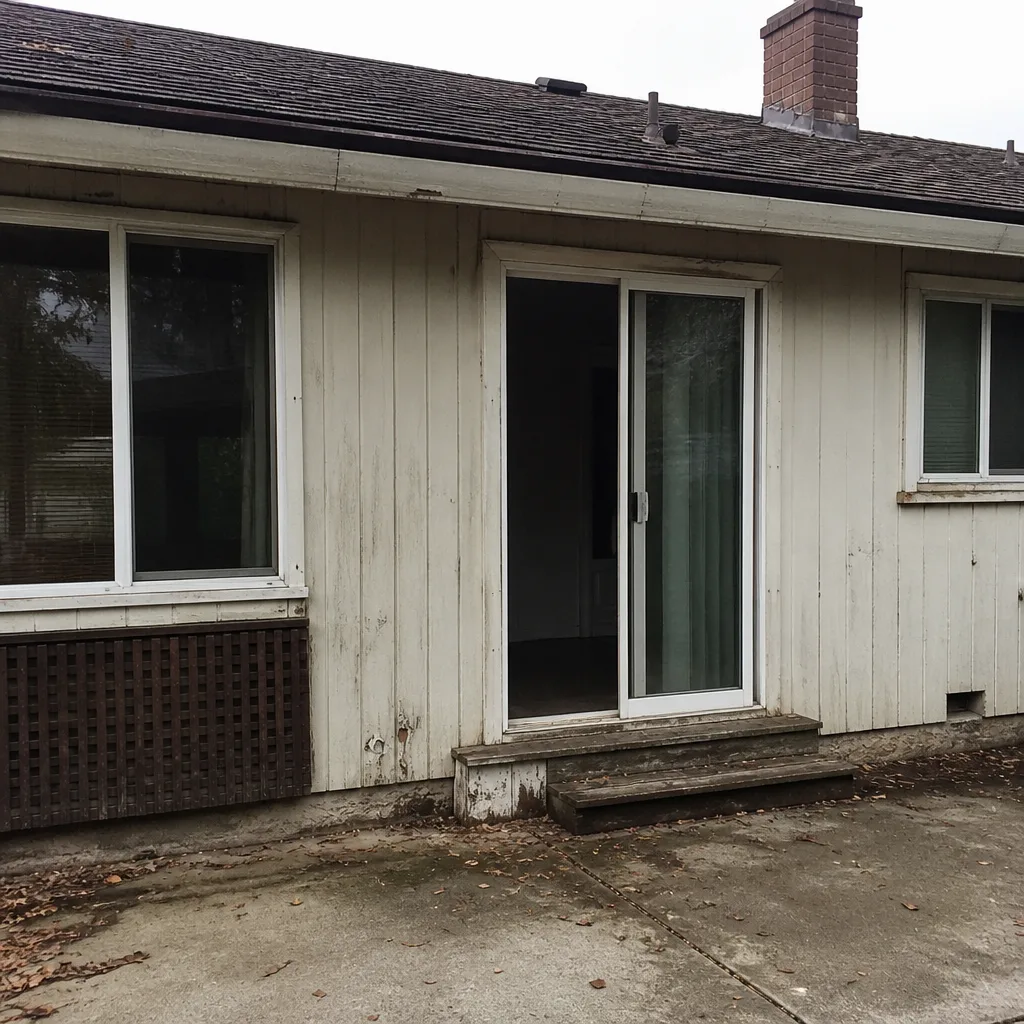
See the difference
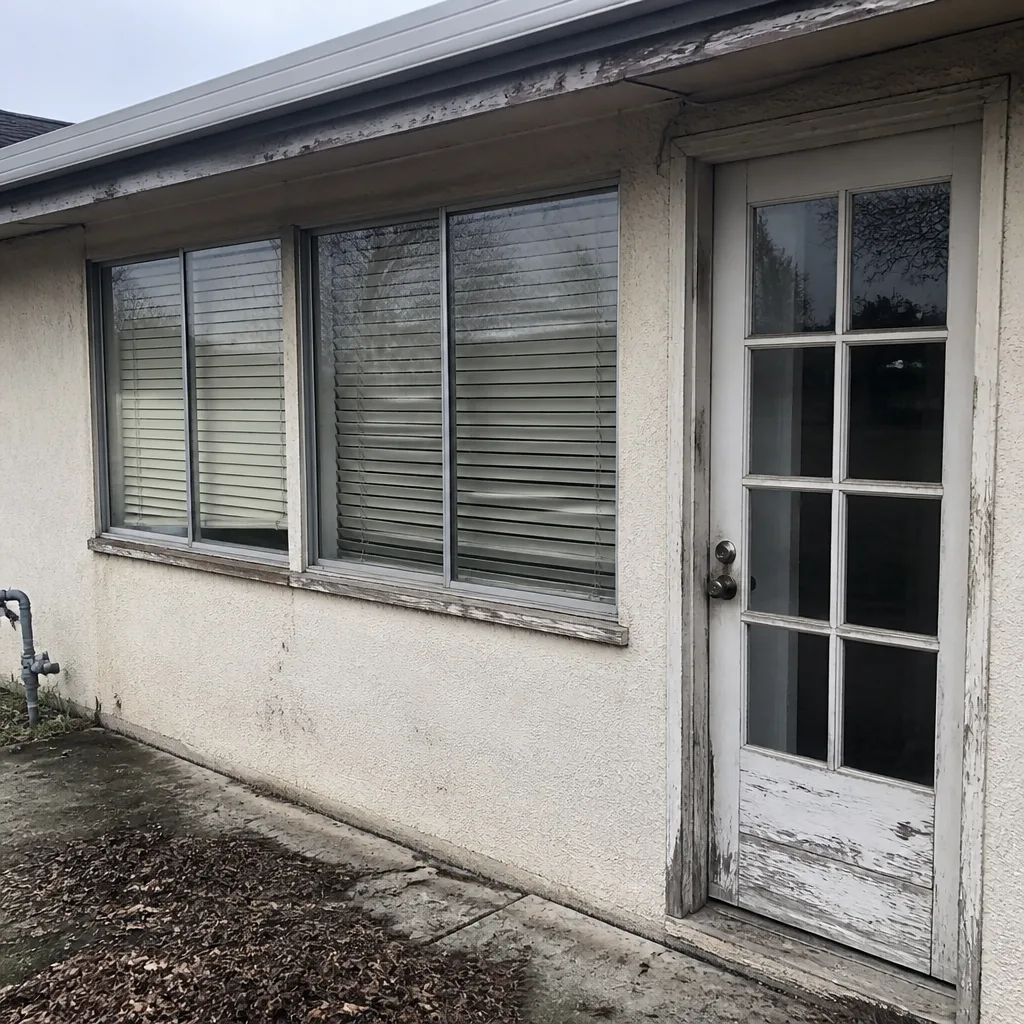 Before
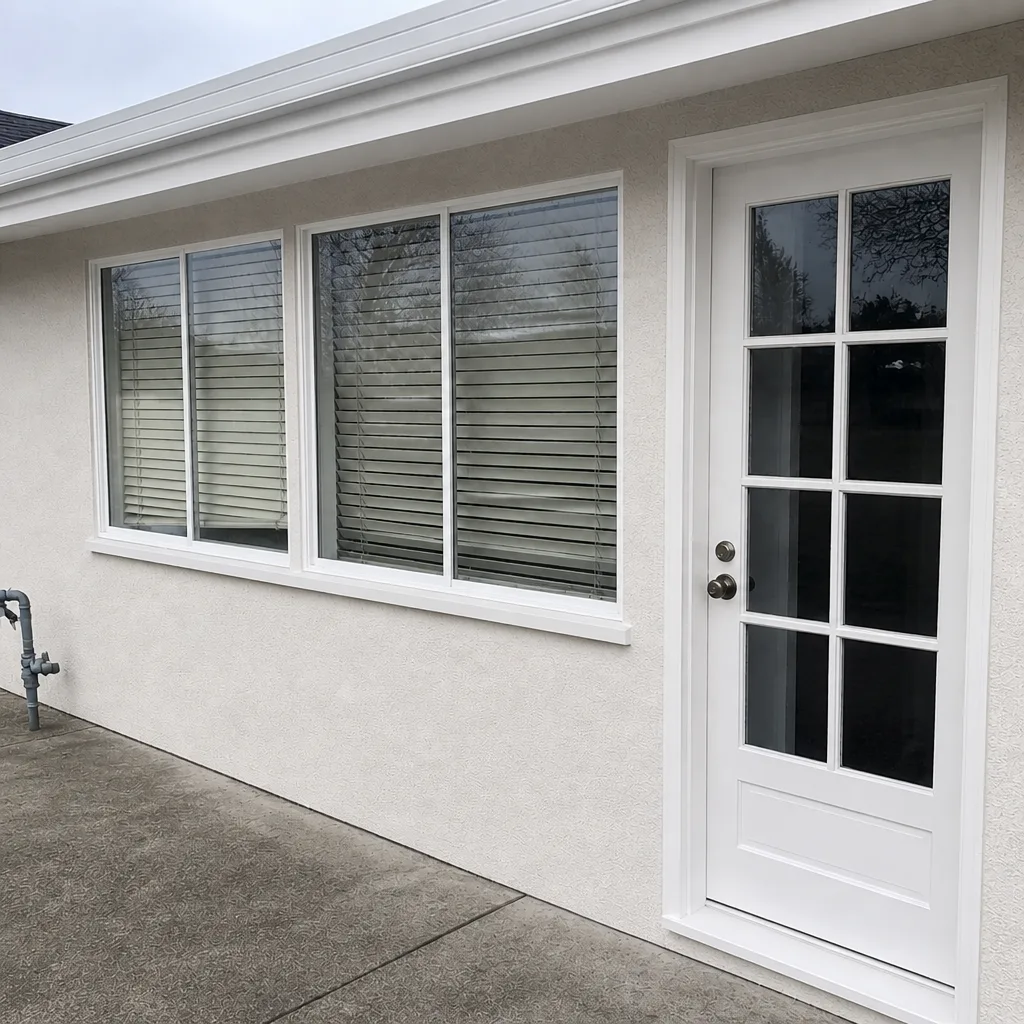 After
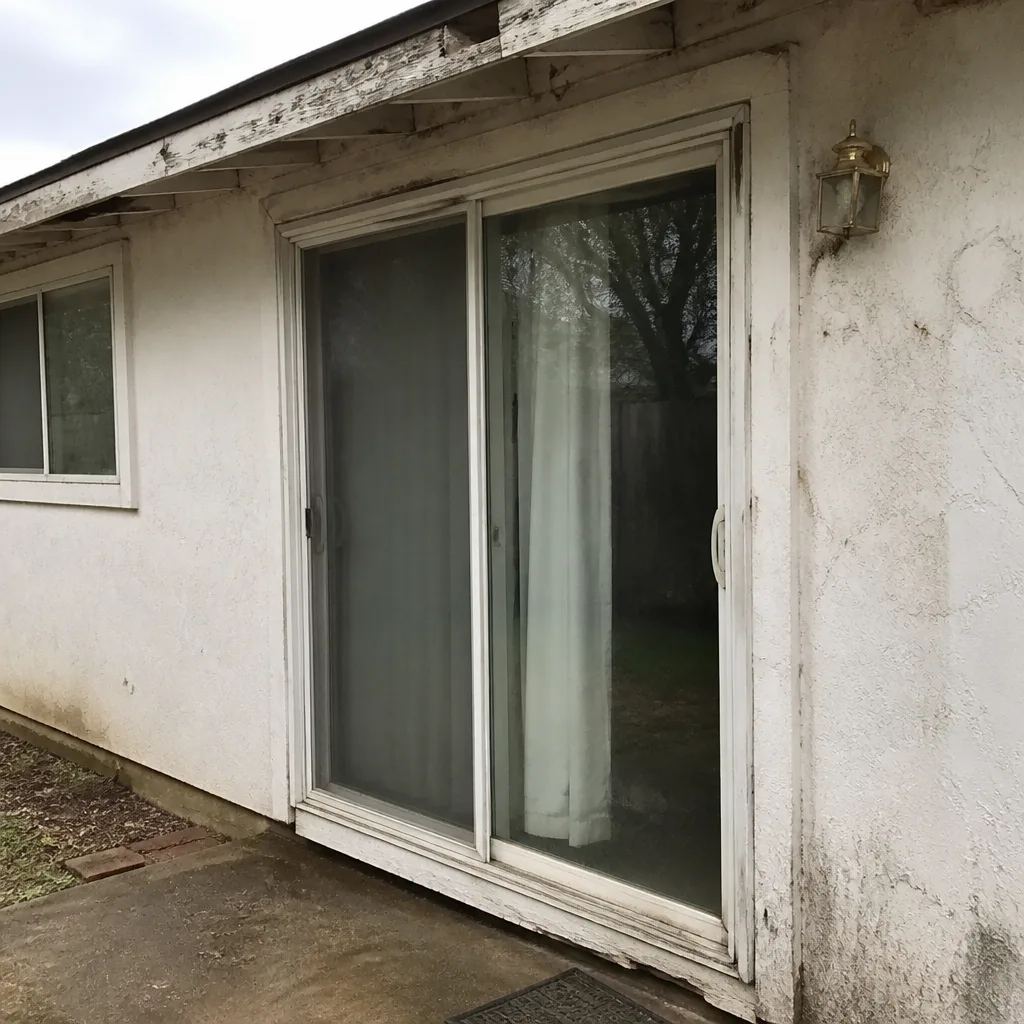 Before
 After
 Before
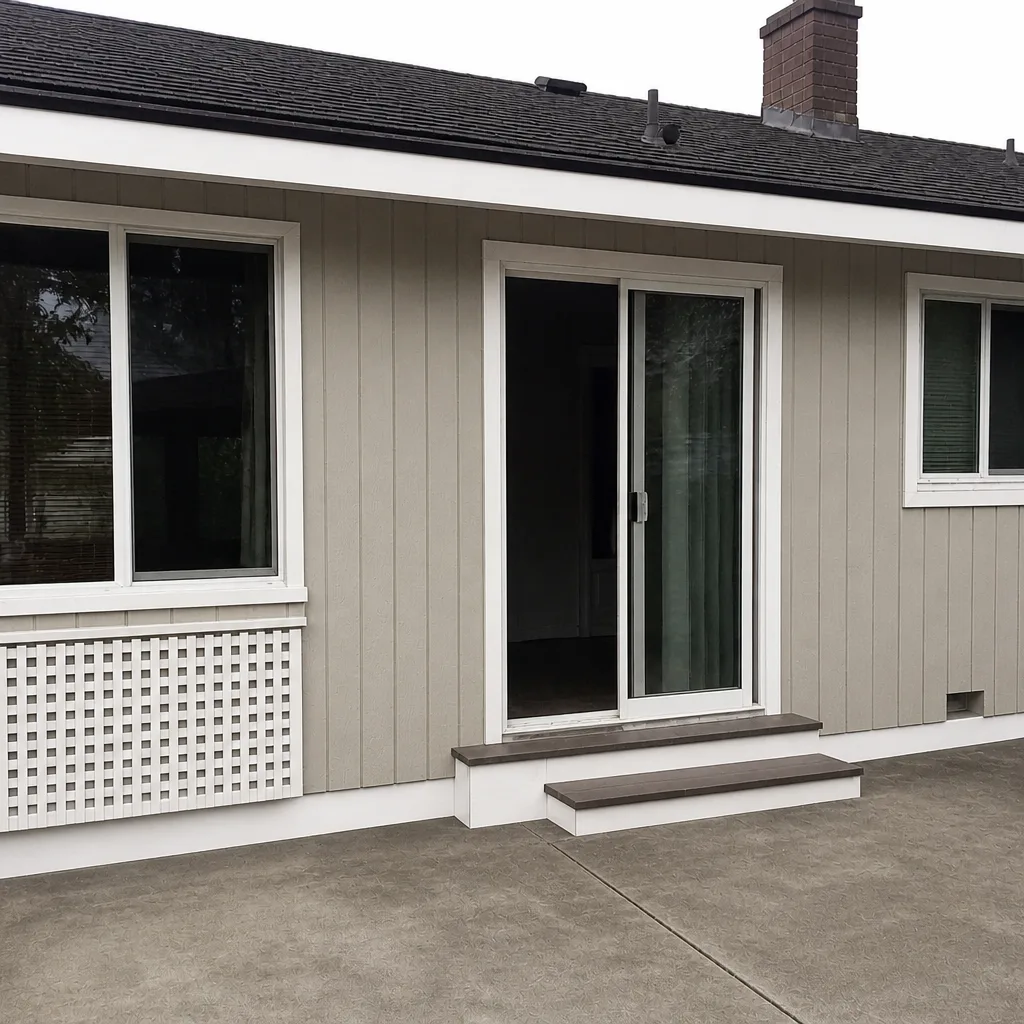 After
Frequently Asked Questions
Ask your city’s building department, because window replacement permits and the documentation required around them are handled at the local level. Most replacements in existing homes involve a compliance step, and the CF2R certificate that confirms energy-code compliance requires a licensed contractor’s signature. A homeowner can’t self-certify that form. Call (279) 321-4124 for an exact quote on a professional install, and estimates are free.
You can usually sell, but the missing compliance documentation can slow the process and give a buyer a negotiating lever. If the buyer’s inspector or lender asks for the CF2R or the permit record and you don’t have it, the gap becomes a cost. A professional installation leaves a documentation trail behind the work. Call (279) 321-4124 to talk through the scope of what you need.
Often, the product warranty stays in effect but the installation portion of coverage is limited or void. Manufacturer warranties commonly condition full coverage on proper installation following their published instructions, and some coverage passes through the installing contractor only. That’s the clause to read before you buy. A licensed installation keeps the coverage path intact.
We don’t publish fixed prices because the cost depends on unit size, product line, and opening condition. We do provide written line-item estimates so you can see exactly what each portion runs, and the written estimate sets the final price with no change orders. Our minimum project is three openings. Call (279) 321-4124 for an exact quote, and estimates are free.
Water intrusion at the flashing and sill is the riskiest part, because the problem stays hidden until the wall cavity has taken on moisture. A door installed with poor threshold sealing is the most common source we see. The fix usually means removing and reinstalling the unit, which wipes out any labor savings. Call (279) 321-4124 if you’d like a professional assessment.
Impact-rated products from lines like those we carry require specific installation methods to perform as designed, and the requirements are stricter than for standard units. We don’t recommend a homeowner install them without manufacturer training. The climate in Citrus Heights puts the emphasis on heat and solar performance, where the energy-focused lines are the better match. Call (279) 321-4124 to compare options.
We install and replace windows and doors, including sliding door replacement and entry door replacement. That includes Therma-Tru entry door work for homeowners who want front-door performance and curb appeal treated as part of the project. Windows and doors are all we do, so the installation crews work these products every day.
The Bottom Line
DIY window and door installation looks like a straightforward labor swap and turns out to be a question about compliance, warranty, and resale documentation. In Citrus Heights, the heat of the Sacramento Valley makes the product choice matter, and California’s Title 24 requirements make the documentation matter just as much. Weatherstripping, screens, hardware, and caulking are reasonable DIY tasks. Full replacement and new installation belong to a licensed professional who can install to spec and sign what needs signing. Run your project through the three-factor framework, then get a written estimate before you commit either way. Compare products side by side with an honest read on fit, and let the estimate guide the decision.
Written by the team at Window Replacement Citrus Heights.