Last updated November 25, 2026
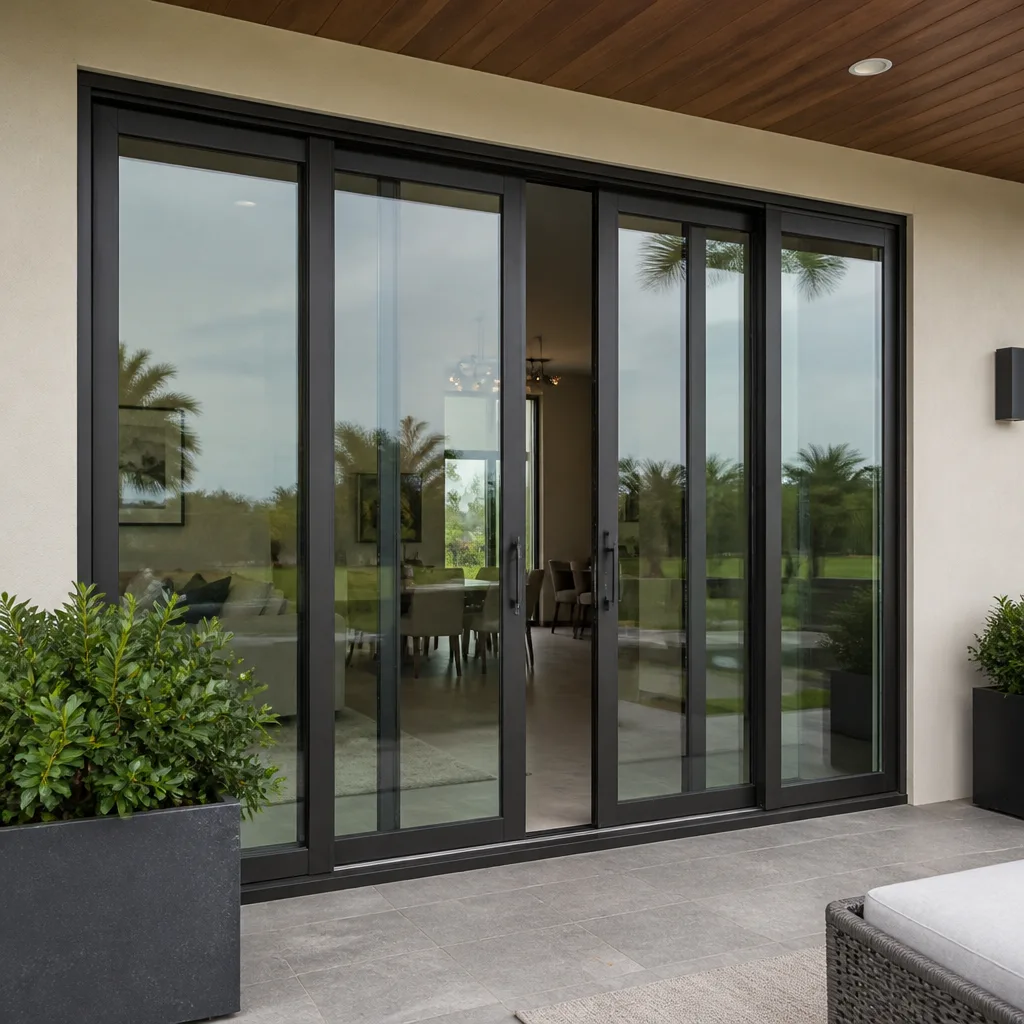
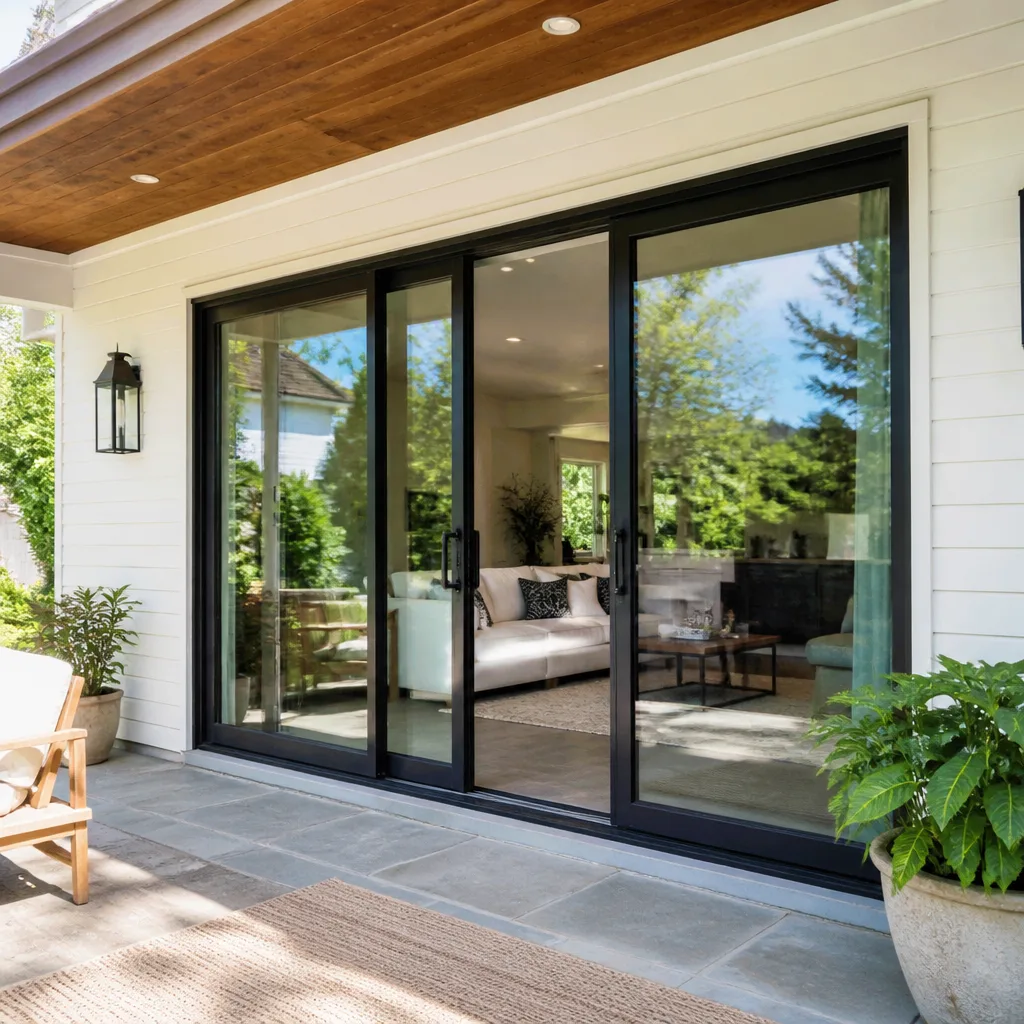 Sliding glass doors
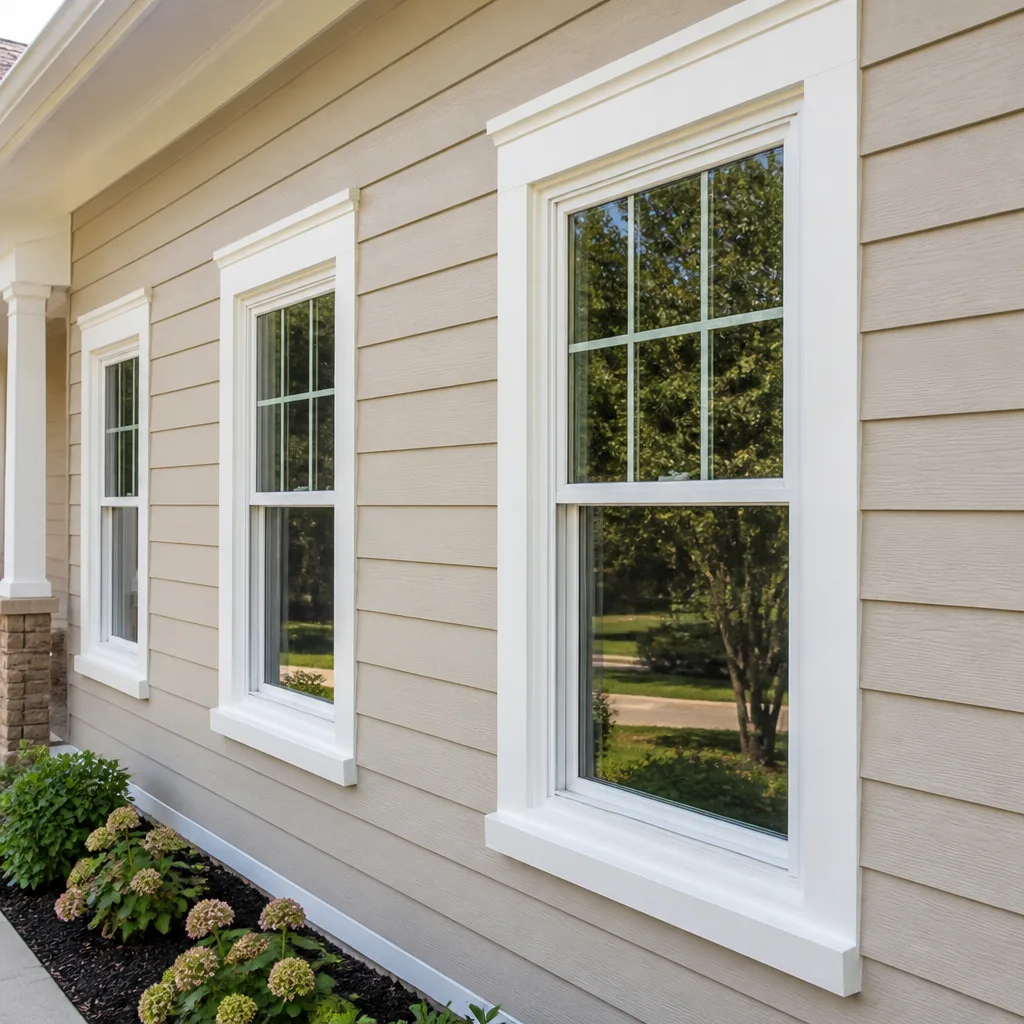 Single hung
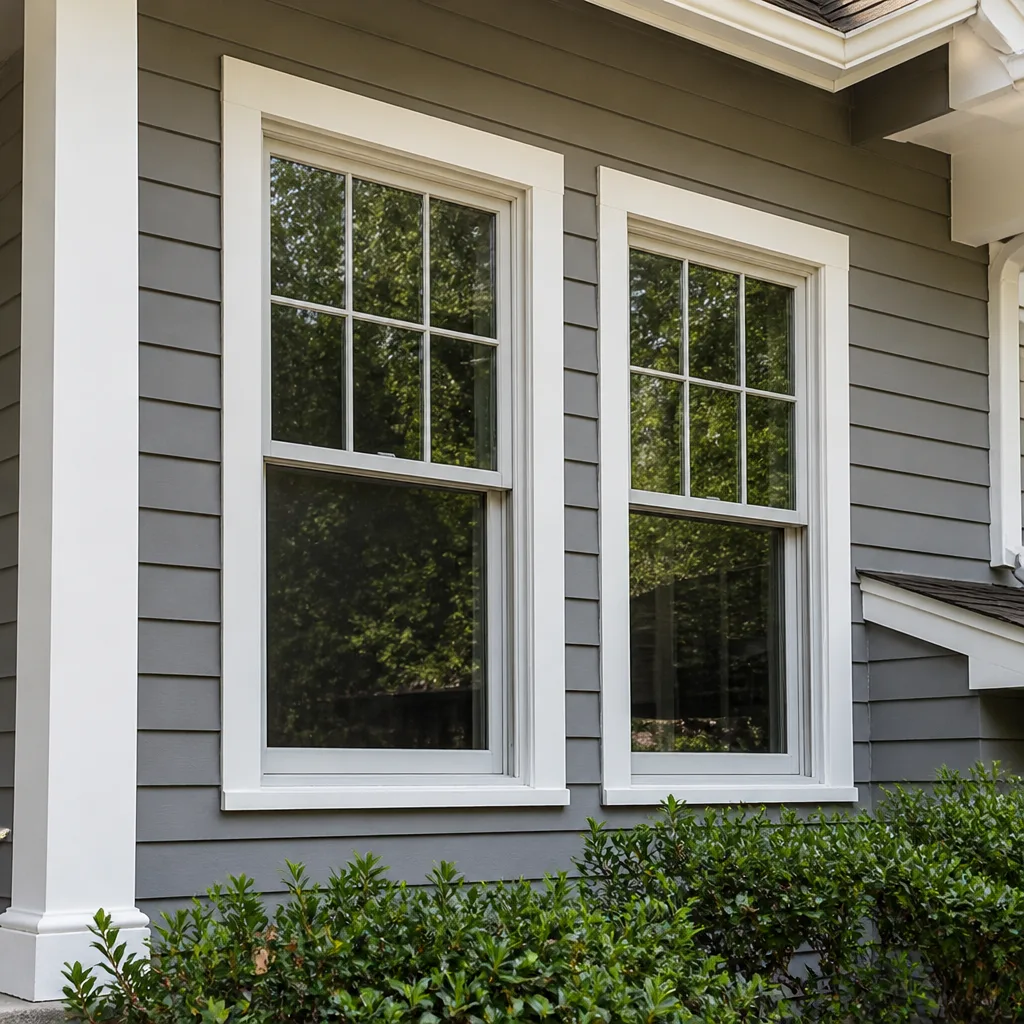 Double hung
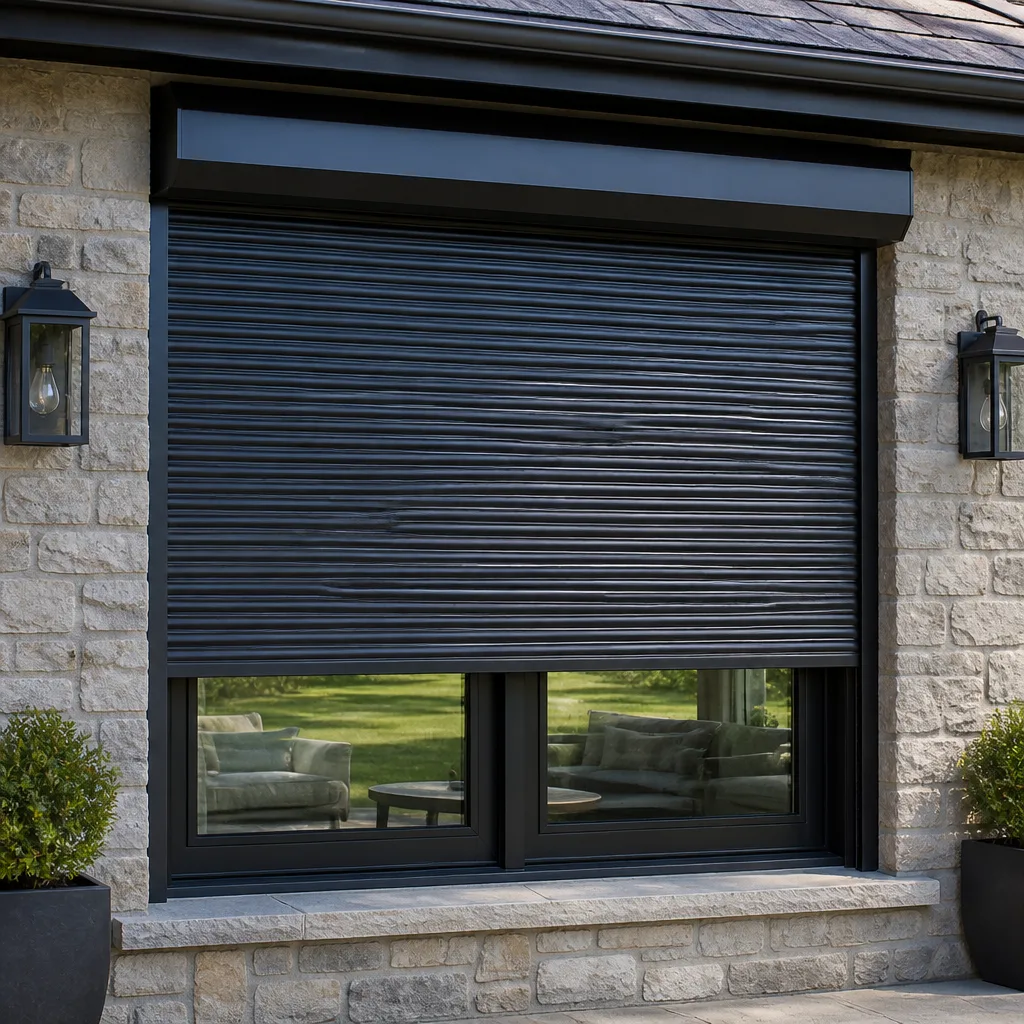 Horizontal roller
 Casement
 Bay & bow
 Entry doors
 Impact garage doors
 PGT
 CGI
Free in-home measure and quote - PGT, CGI and CWS impact lines compared on your actual openings, style by style
Get your free estimateWindows & Doors Permits, Codes & Inspections in Citrus Heights, CA: What You Need to Know
The thing that trips up most homeowners here isn’t the code itself. It’s the assumption that a permit is always required for a window swap, or that it never is. Neither is true in Citrus Heights, and the difference hinges on a narrow phrase in the California Residential Code: like-for-like. Get that phrase right and your project moves; get it wrong and you find out at resale. This guide lays out when a permit is needed, what Title 24 paperwork rides along with it, how the City of Citrus Heights permit process actually runs, and the fire-rated glazing rule that catches older neighborhoods off guard.
Quick Answer
A permit is required for most window and door replacements in Citrus Heights unless the new unit is a true like-for-like swap of the same size, same location, and same operating type – a change in size, location, or opening type triggers a permit. Every permitted replacement also needs Title 24 energy compliance documentation, and work that touches fire-rated areas near property lines has its own glazing requirements. The written scope should tell you exactly which path your job takes before anyone orders product.
Styles & brands we work with
- Single hung
- Double hung
- Horizontal roller
- Casement
- Bay & bow
- Sliding glass doors
- Entry doors
- Impact garage doors
- PGT
- CGI
Table of Contents
- Who Has Jurisdiction Over Your Window Permit in Citrus Heights?
- When a Permit Is and Isn’t Required for Window Replacement
- Title 24 Energy Compliance and the CF1R Form
- How the Citrus Heights Permit Process Actually Works
- What Inspectors Check on Window and Door Work
- What Happens at Insurance Claim and Resale Time
- Fire-Rated Glazing Near Property Lines
- Common Mistakes to Avoid
- When to Call a Professional
- Frequently Asked Questions
Key Takeaways
- Like-for-like window swaps often skip the permit; anything that changes size, location, or opening type does not.
- Permitted replacements require Title 24 energy documentation, including a CF1R for most jobs.
- Citrus Heights sits inside Sacramento County, so jurisdiction depends on scope – confirm it before applying.
- Unpermitted work surfaces at resale disclosure and can complicate insurance claims.
- Older lots with tight setbacks may need fire-rated glazing near property lines.
Who Has Jurisdiction Over Your Window Permit in Citrus Heights?
The City of Citrus Heights Community Development Department issues building permits for most residential window and door replacement work within the city limits. That’s the short version. The longer version matters because Citrus Heights is an incorporated city sitting inside Sacramento County, and that overlap is where projects stall. A contractor who files with the county on a job that belongs to the city, or the reverse, loses weeks to a rejected application before any product is ordered.
The jurisdiction question usually comes down to scope and property context:
- City jurisdiction: standard residential window and door replacements on single-family homes inside city limits, where the work touches the building envelope.
- County involvement: certain unincorporated pockets and properties with unusual access, easements, or shared infrastructure can route differently – worth confirming before filing.
- Scope-dependent routing: a like-for-like swap is often exempt from permitting entirely, while a size change pulls the job into the formal permit path.
Homeowners in Citrus Heights shouldn’t have to sort this out alone. The practical move is to ask, before signing anything, which jurisdiction the permit goes through and who is filing it. If a contractor can’t answer that question in one sentence, that’s a signal about how the rest of the job will run. We’ve seen the confusion from both sides, and it almost always traces back to someone assuming rather than confirming.
A dedicated specialist who handles windows and doors every day tends to know the local routing instinctively. When you’re weighing contractors, ask them to walk you through the jurisdiction question for your specific address.
When a Permit Is and Isn’t Required for Window Replacement
Under the California Residential Code, a window replacement that is genuinely like-for-like is typically exempt from a building permit. Like-for-like means three things match: the size of the rough opening, the location in the wall, and the operating type – a single-hung goes back as a single-hung, a slider goes back as a slider. Change any one of those and you’ve moved from a replacement into alteration work, which is permitted.
Here’s how the distinction plays out in practice:
- No permit typically: same-size unit, same opening location, same operating type, no structural change to the wall.
- Permit typically required: enlarging or reducing the opening, moving the window’s location, changing the operating type, converting a window to a door, adding a new opening where none existed.
- Permit required regardless: anything that alters the building envelope’s structural framing, or work that triggers fire-rated assembly requirements.
The trap is the phrase “same size.” A homeowner replacing an old aluminum slider with a modern energy-efficient unit often assumes it’s a swap because it fits the same hole. That can be true – but if the rough opening changes by even a fraction, or the operating type shifts from slider to casement, you’re in permit territory. This is where the written scope earns its keep. A line-item estimate should state the opening size, the operating type, and whether a permit is included. If it’s vague, ask.
It’s also worth knowing that “no permit required” doesn’t mean “no standards apply.” The unit still has to meet energy and safety requirements, and the installation still has to be weathertight and correct. Exemptions cover paperwork, not quality.
Title 24 Energy Compliance and the CF1R Form
Any permitted window or door replacement in Citrus Heights needs Title 24 energy compliance documentation, and for most residential replacement jobs that means a CF1R – the compliance form generated from energy modeling software and signed by a certified professional. The CF1R is the paper trail proving your new windows meet the energy performance the code requires for your climate zone.
What triggers the CF1R requirement:
- Any permitted replacement where windows or doors are part of the building envelope scope.
- Projects where the glazing area, U-factor, or solar heat gain characteristics change from what was originally approved.
- Additions or alterations where the energy model for the home is recalculated.
What that means for product choice: the window you pick has to meet the performance targets in the CF1R, not the other way around. This is where a single-brand dealer gets boxed in. If their one product line doesn’t hit the required U-factor and solar heat gain numbers for your specific opening and orientation, they either ask you to accept a lesser unit or walk away. When we work through Window Replacement Citrus Heights projects, having product lines like PGT and CGI alongside energy-focused systems means we can match the CF1R targets instead of forcing a fit.
Ask for the CF1R before installation, not after. It’s your document, it should carry the right specifications, and it needs to stay with your home records. Losing it creates headaches later when a buyer’s agent asks for permit history.
How the Citrus Heights Permit Process Actually Works
The permit for a window and door project is typically pulled by the licensed contractor performing the work, though homeowners can apply themselves. Contractors do it because they carry the insurance and licensing the city verifies, and because the application details have to match the installation scope exactly. Here’s the typical sequence:
- Scope confirmation: the contractor confirms opening sizes, operating types, and locations against the plans.
- Title 24 documentation: the CF1R is prepared and attached to the application.
- Application submission: the permit application goes to the City of Citrus Heights Community Development Department with plans, product specifications, and energy documents.
- Plan review: the city reviews for code compliance, energy performance, and fire-rated assembly issues. Timelines vary with workload and completeness of the submittal.
- Permit issuance: once approved, the permit is issued and work can begin.
- Inspection scheduling: the contractor schedules the required inspection after installation.
- Final inspection and sign-off: the inspector verifies the installed work matches the approved scope and documentation.
Two things speed this up: complete submittals and accurate product specs. Incomplete applications get sent back, and every resubmittal adds time. A contractor who works with multiple manufacturers can usually supply spec sheets for the exact unit going in, which keeps the review from bouncing back over missing documentation.
For sliding door and entry door work, the same general path applies, though door replacement often raises additional questions about egress and fire-rating that windows don’t. Our door replacement projects run through the same jurisdiction check first.
What Inspectors Check on Window and Door Work
The inspection is where the paperwork meets the wall. Inspectors aren’t checking whether the window looks good – they’re checking whether what was installed matches what was approved, and whether the installation meets code. Knowing what they look at helps you avoid a failed inspection and a rescheduled visit.
Typical inspection checkpoints:
- Matching scope: installed units match the approved sizes, locations, and operating types on the permit.
- Energy compliance: the glazing installed matches the performance specifications in the CF1R.
- Flashing and weatherproofing: proper flashing at the head, sill, and jambs, with correct integration into the wall assembly.
- Fastening and anchoring: secure attachment to framing, no gaps or movement.
- Fire-rated assemblies: where required, the correct fire-rated glazing and labeling are in place.
- Egress: for door replacements and any window serving as an emergency escape opening, the clear opening dimensions meet code.
Most failed inspections trace to a mismatch between what was approved and what went in – a different model number, a size that shifted, or missing fire-rated labeling. That’s avoidable with a disciplined submittal and a contractor who treats the approved scope as binding. Our window installation process is built around that discipline because we’d rather pass the first inspection than explain a mismatch.
Ask your contractor when the inspection will be scheduled and who attends. The contractor should be there; you don’t need to be, though you should keep the signed-off permit with your home records.
What Happens at Insurance Claim and Resale Time
Unpermitted window and door work doesn’t usually cause problems on the day it’s installed. It causes problems later, in two places: insurance claims and resale disclosure.
On the insurance side, if a window or door failure leads to a claim – water intrusion from a poorly flashed unit, impact damage to a non-compliant assembly – an adjuster may ask for permit and inspection history. If the work was unpermitted when it required a permit, the claim can be reduced, delayed, or denied, depending on the policy and the adjuster’s findings. That’s a real consequence, not a scare tactic, and it’s avoidable.
On the resale side, California sellers are required to disclose known material defects and permit history. An unpermitted window installation can surface during a buyer’s inspection, and if it does, the seller typically faces one of two outcomes: a request for retroactive permitting (with inspection, and possibly remediation if the work doesn’t comply), or a negotiated price reduction. Neither is cheap, and both add time.
The easier path is doing it right the first time. If your project requires a permit, get it, keep the paperwork, and keep the inspection sign-off with your home records. It’s a small administrative step that protects a large asset.
Fire-Rated Glazing Near Property Lines
This is the code requirement that surprises homeowners most, especially in older Citrus Heights neighborhoods where lots are tighter and homes sit closer to property lines. When a window is located within the distance the code defines as close to a property line, the glazing has to meet fire-resistance requirements to slow fire spread between structures.
What that means in practice:
- Location matters: a window facing a narrow side yard between two homes may fall within the fire-rated glazing zone; the same window on the rear wall may not.
- Existing homes can be non-compliant: older windows installed before current requirements may not meet them, and a replacement can trigger the requirement even if the original didn’t have it.
- Product choice matters: fire-rated glazing isn’t the same as standard energy glass, and a single-brand dealer may not have a compliant option for that opening.
We’ve seen plenty of tight side-yard openings in Citrus Heights where this comes up, and it’s a genuine compliance issue, not a technicality. If your project has an opening within the fire-rated zone, the scope needs to reflect the correct glazing from the start. Brands like ViewLux and specialty glass lines give us options to meet both the fire requirement and the aesthetic the homeowner wants.
If you’re unsure whether an opening falls in the fire-rated zone, that’s a question for the permit reviewer or a qualified plan reviewer before you order product.
Common Mistakes to Avoid
- Assuming all replacements are exempt. Like-for-like is narrower than most homeowners think, and a single dimension change puts you in permit territory.
- Filing with the wrong jurisdiction. Citrus Heights and Sacramento County don’t share the same permit path for every scope; confirm before submitting.
- Skipping Title 24 documentation. No CF1R, no permit, no inspection – and a costly scramble if it surfaces at resale.
- Ignoring fire-rated glazing near property lines. Older lots with tight setbacks are exactly where this trips people up.
- Letting a single-brand dealer box you into a non-compliant product. If their line doesn’t hit the CF1R targets, find a contractor with more product options.
- Not keeping the inspection sign-off. The permit and inspection paperwork belongs with your home records, not in a contractor’s file.
- Assuming a fast timeline over a complete submittal. Incomplete applications get sent back, and every bounce adds time.
When to Call a Professional
If your project involves more than a straight like-for-like swap – a size change, a new opening, a door replacement, a window near a narrow side yard – you’re in permit territory, and navigating jurisdiction, Title 24 documentation, and fire-rated glazing without help is where projects go sideways. We’ve seen homeowners try to sort the routing themselves and waste weeks. Window Replacement Citrus Heights offers free estimates in Citrus Heights – call (279) 321-4124. Our technicians have up to 8 years of experience, and we can walk you through which permitting path applies before a single product is ordered.
Frequently Asked Questions
Only if the replacement isn’t a true like-for-like swap. Same size, same location, same operating type is typically exempt; a change in size, location, or operating type requires a permit. A written scope should confirm which applies before work begins. Call (279) 321-4124 for a free estimate and a scope review.
A CF1R is the Title 24 energy compliance form that documents your project’s energy performance targets, and permitted window and door replacements in Citrus Heights generally require one. The installed glazing must match the specifications on the form. Ask your contractor for it before installation. Call (279) 321-4124 with questions about your specific project.
Typically the licensed contractor performing the work, though homeowners can apply. Contractors usually handle it because they carry the licensing and insurance the city verifies, and the application must match the installation scope exactly. Confirm who files before signing anything. Call (279) 321-4124 for a free estimate.
It usually surfaces at resale disclosure or during an insurance claim, where missing permit history can delay or reduce a claim and complicate a sale. The fix is retroactive permitting, which may require inspection and possible remediation. Better to permit correctly from the start. Call (279) 321-4124 to talk through your project.
Windows located within the code-defined distance of a property line must meet fire-resistance requirements to slow fire spread between structures, and older neighborhoods with tight side yards are where this comes up most. It’s a compliance issue, not a technicality. Call (279) 321-4124 for a free estimate.
It depends on city workload and how complete the submittal is – complete applications with correct Title 24 documentation and product specs move faster than incomplete ones. Plan review and inspection scheduling both add time. Call (279) 321-4124 to discuss timing for your project.
The Bottom Line
Permits for window and door replacement in Citrus Heights aren’t complicated once you understand the rules, but they’re unforgiving if you skip them. Like-for-like swaps are typically exempt; any size, location, or operating type change pulls you into the permit path. Once permitted, Title 24 compliance documentation and a CF1R come with the job, and fire-rated glazing near property lines can add a layer older neighborhoods don’t expect. The jurisdiction question – city versus county – is worth confirming before you file. Do it right, keep the paperwork, and your project stays clean at insurance and resale time. Our window replacement process is built to match the rules to the opening, every time.
If your project is three openings or more, call (279) 321-4124 for a free estimate. We’ll review the scope, confirm which permitting path applies, and give you a written line-item quote before any product is ordered.
Written by the team at Window Replacement Citrus Heights.
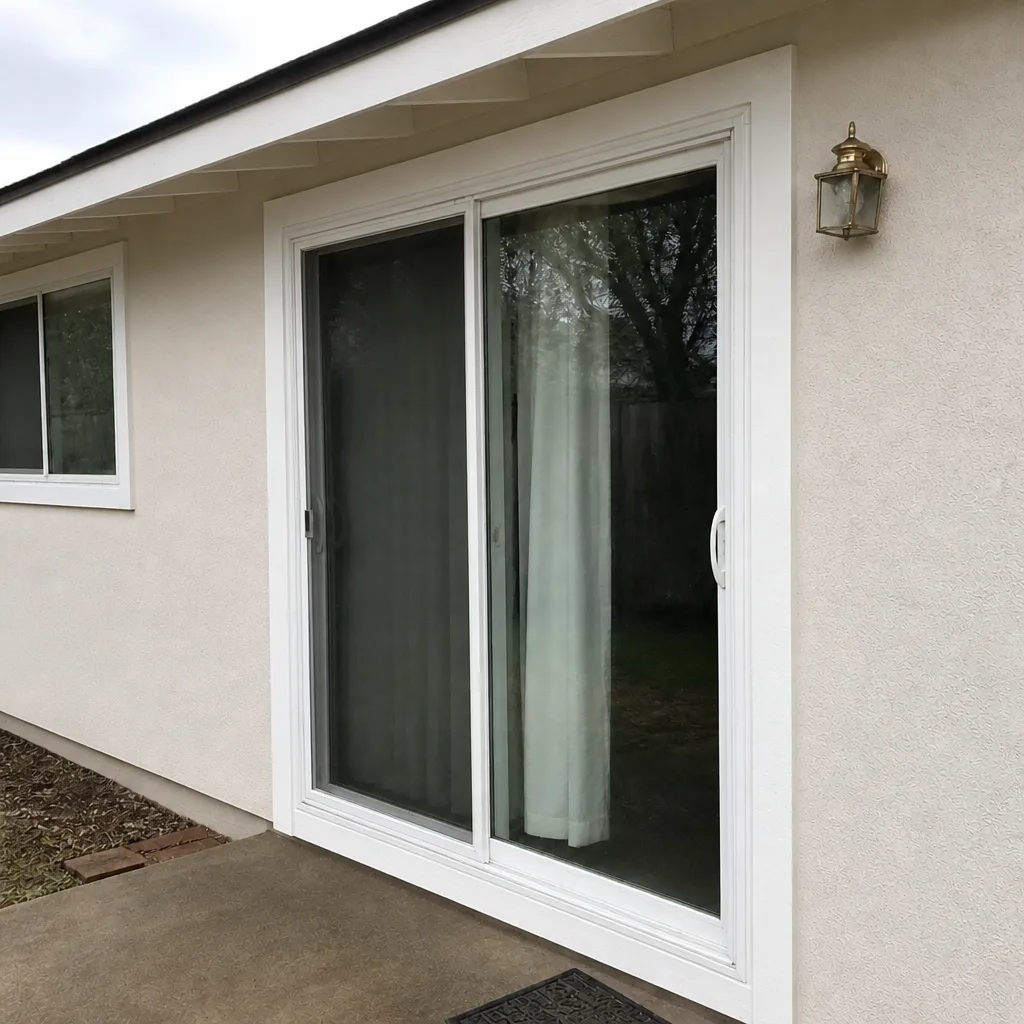
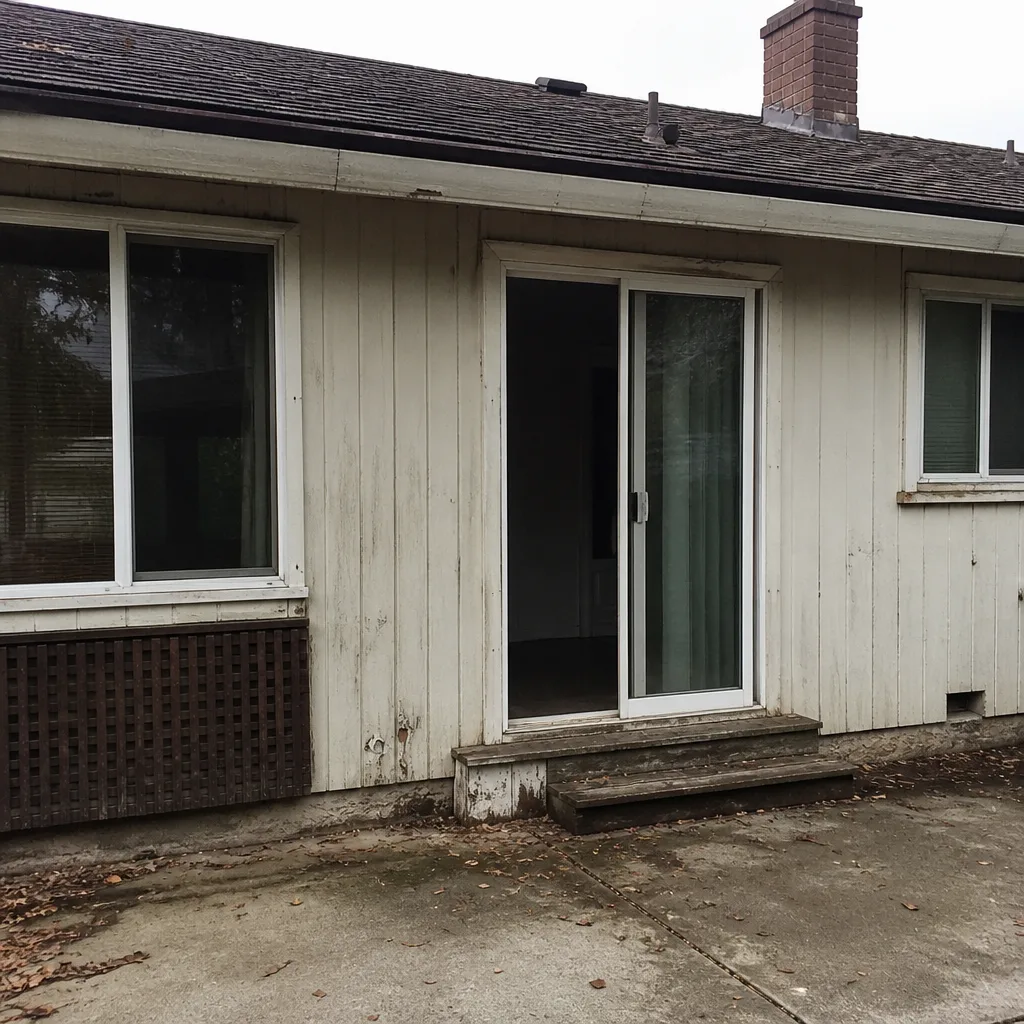
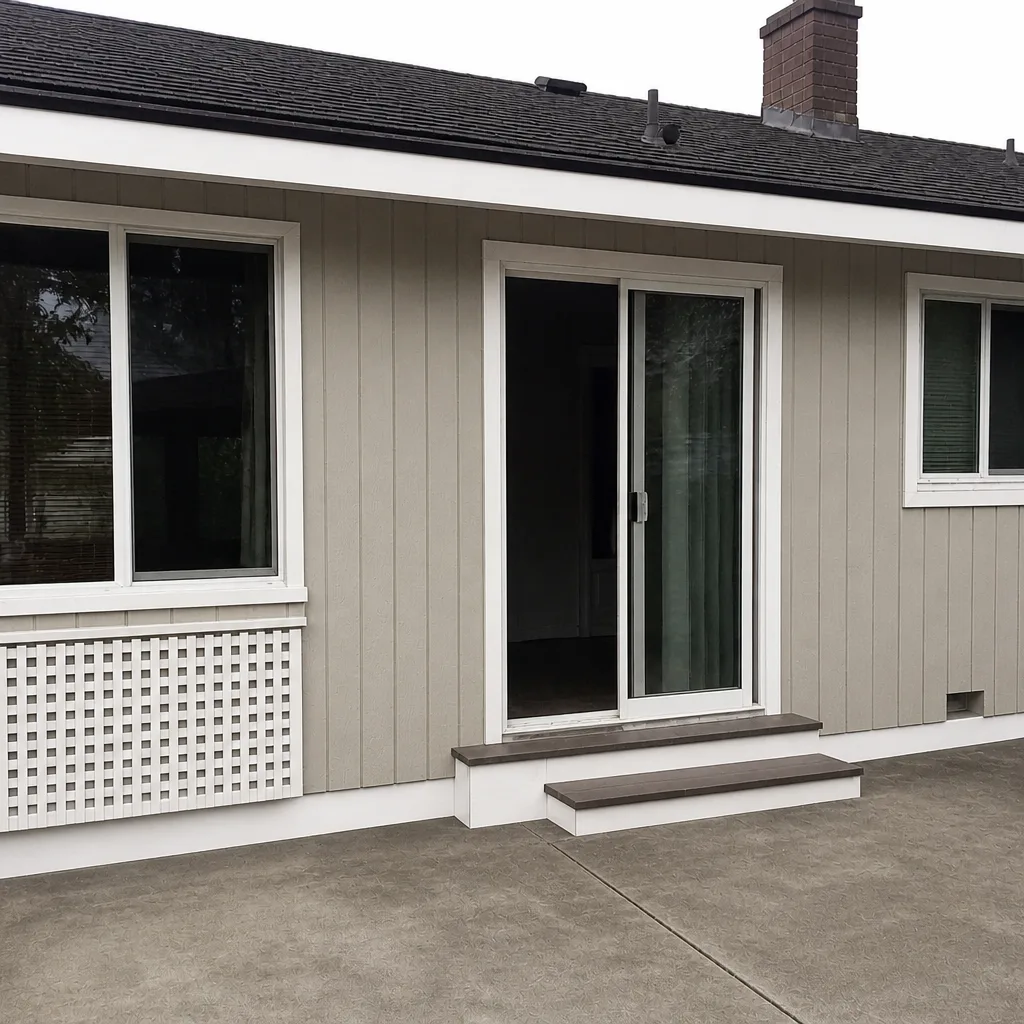
See the difference
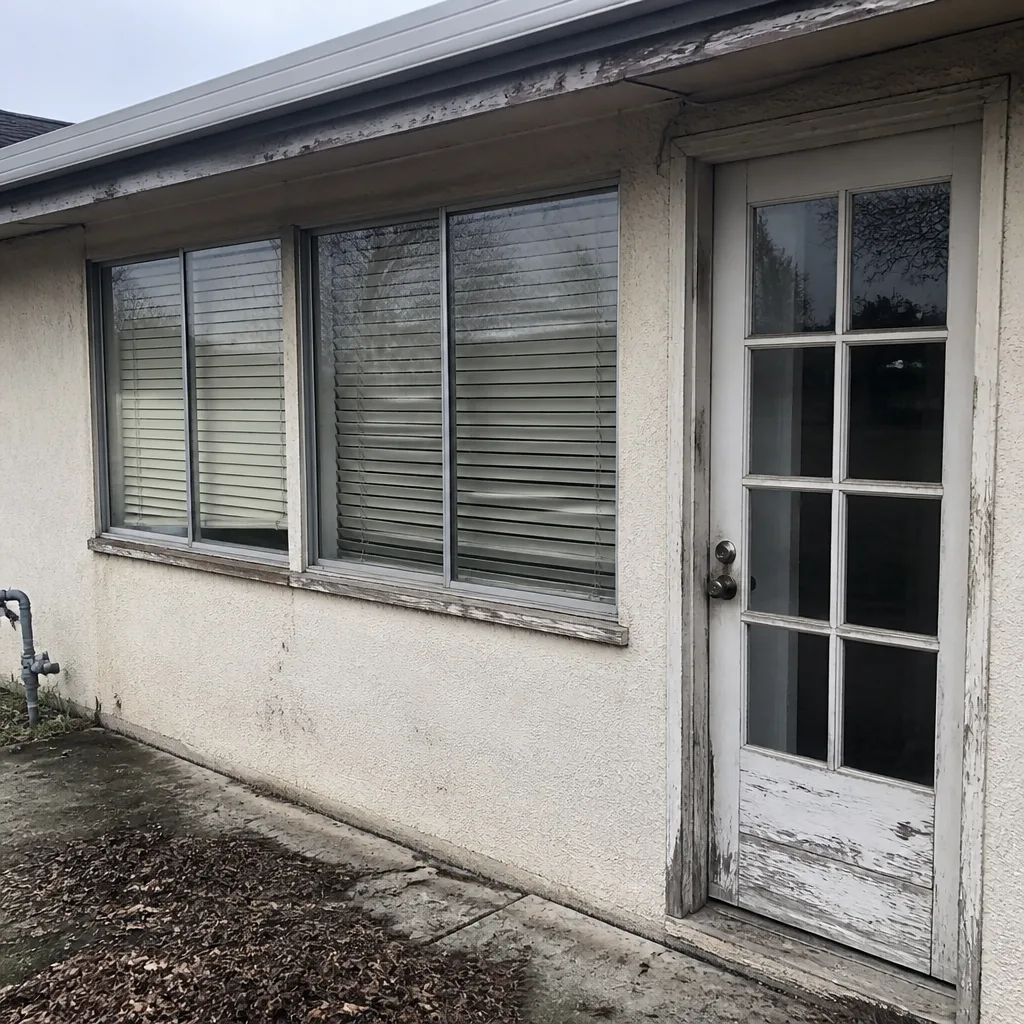 Before
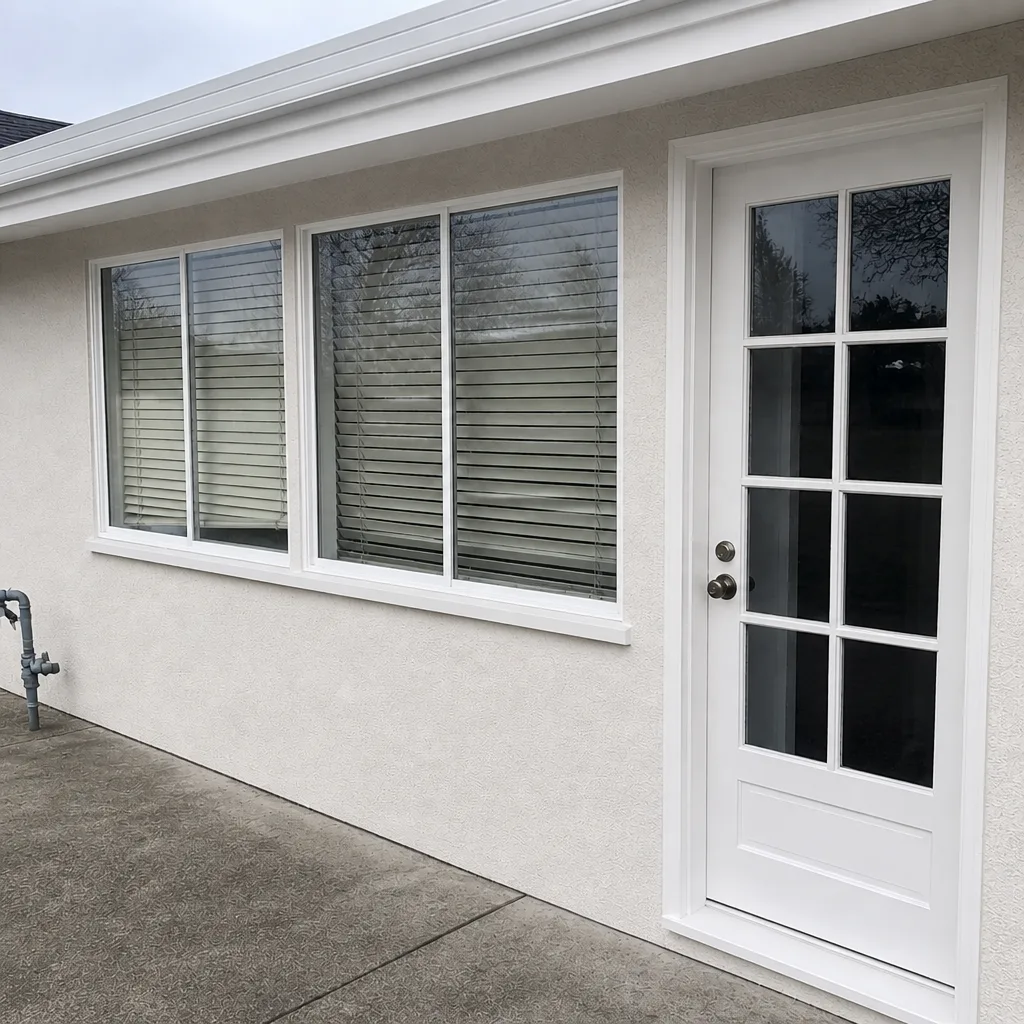 After
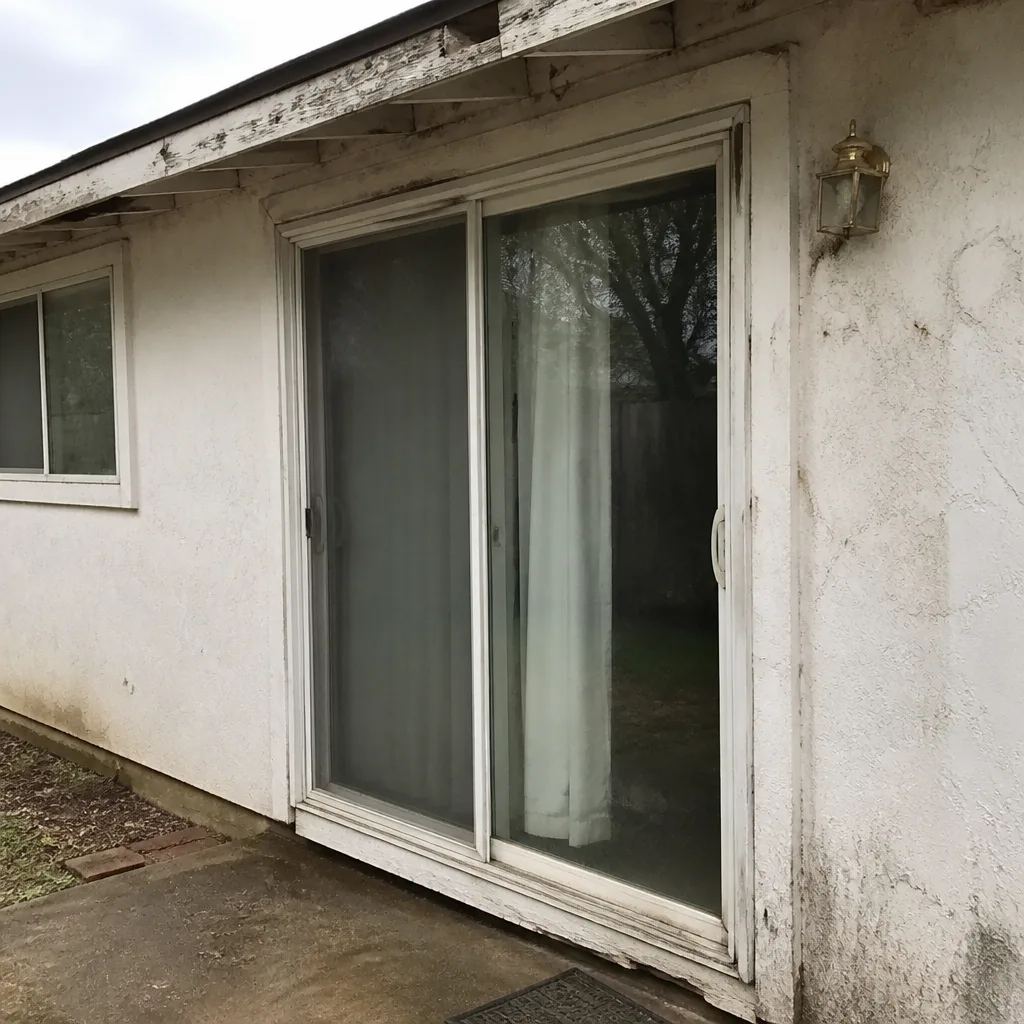 Before
 After
 Before
 After