Last updated November 25, 2026
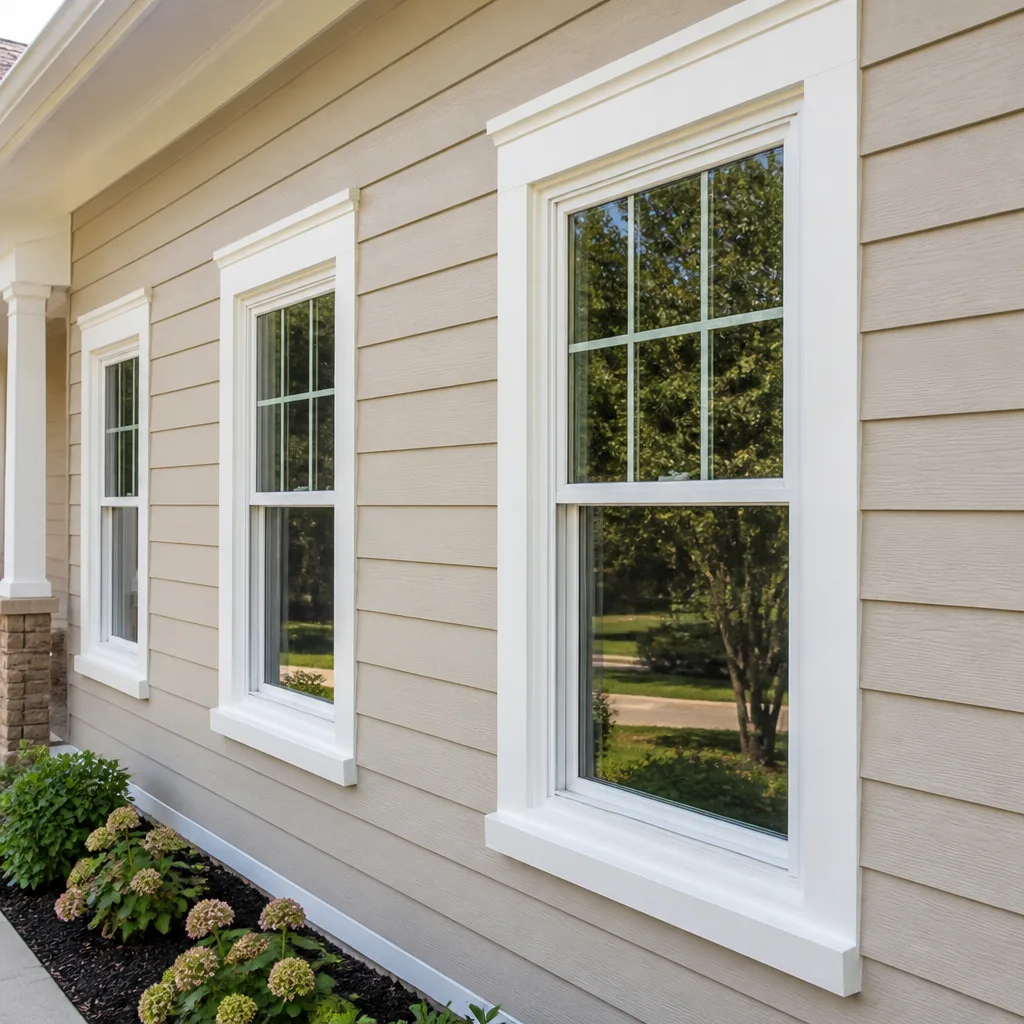 Single hung
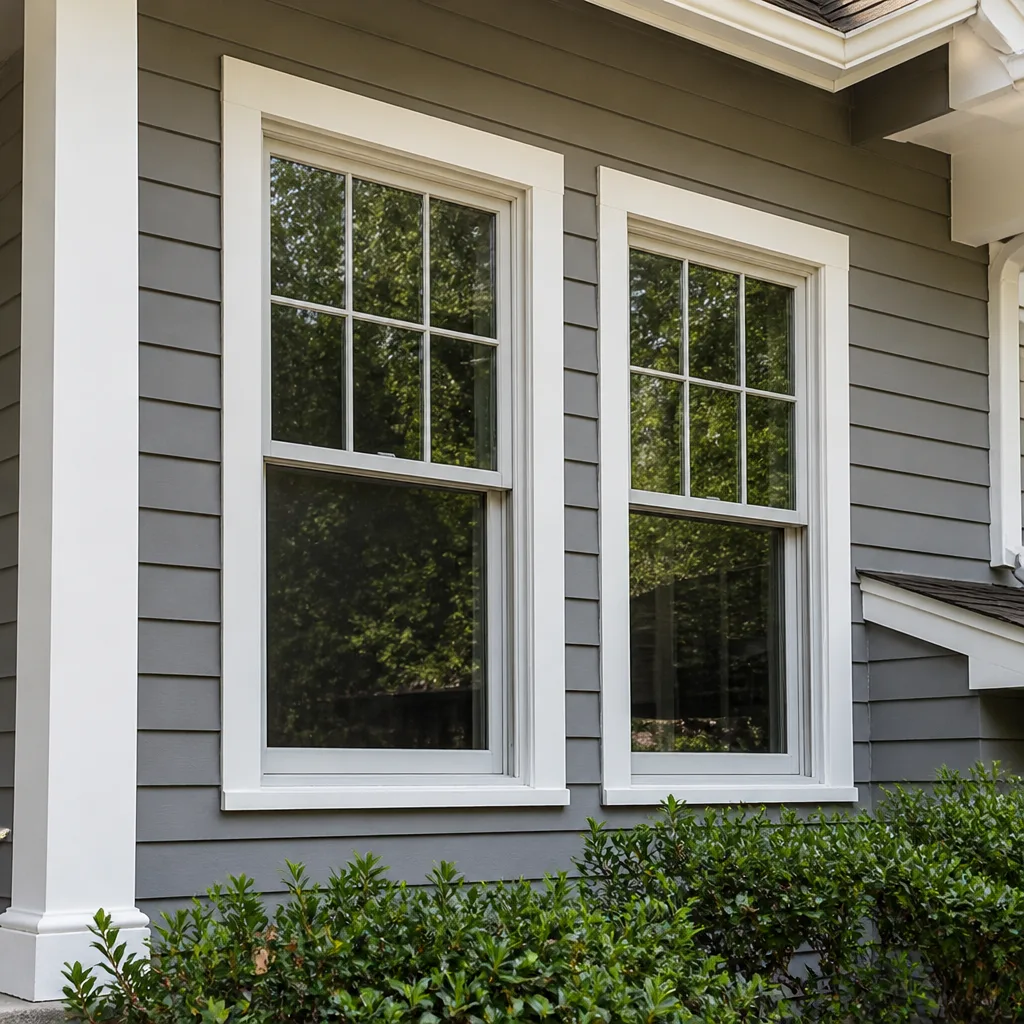 Double hung
 Horizontal roller
 Casement
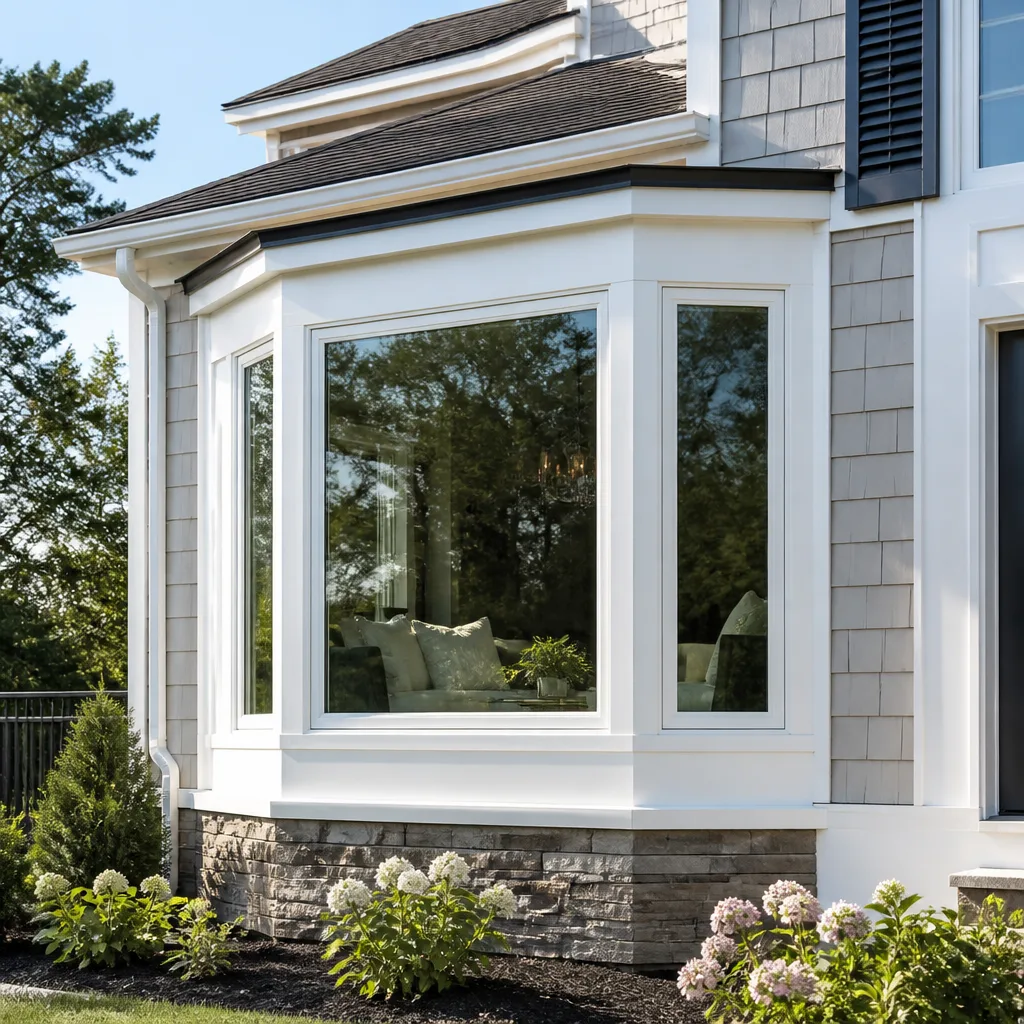 Bay & bow
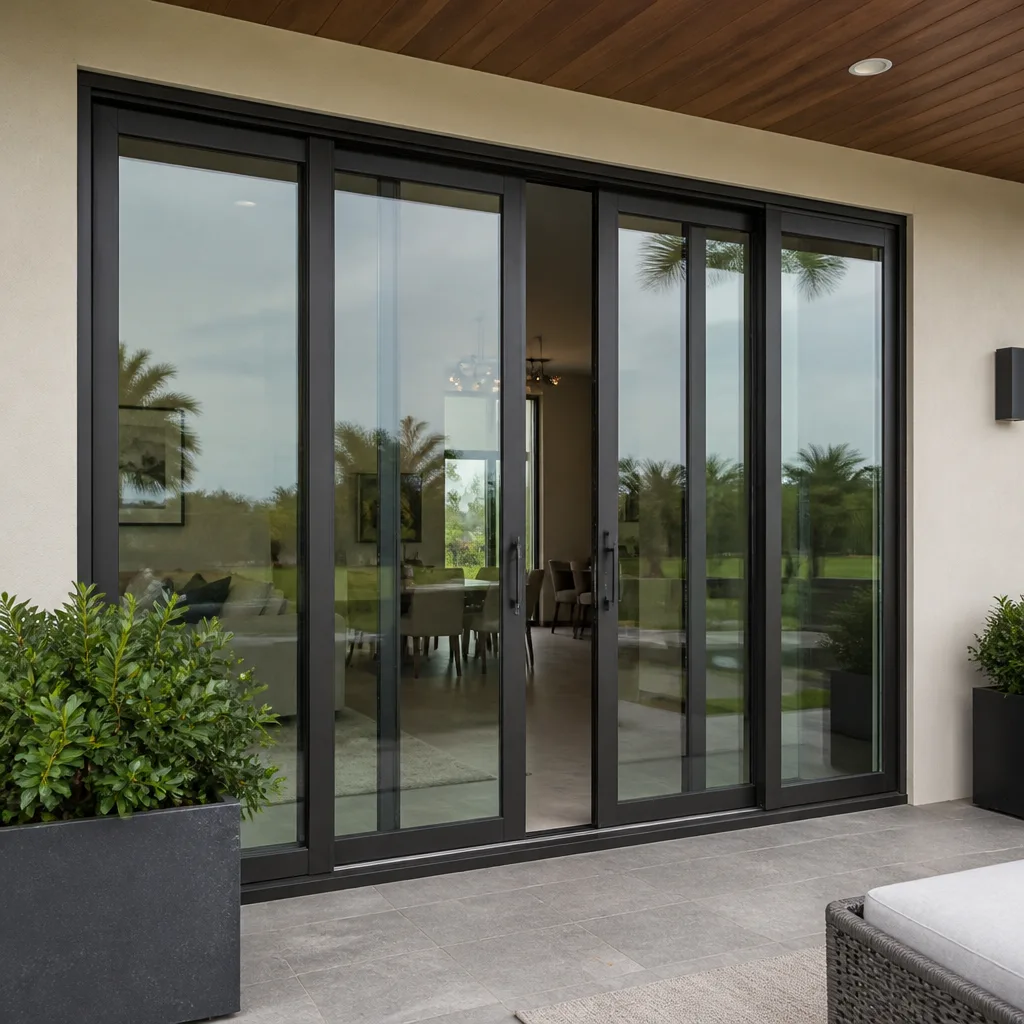
 Sliding glass doors
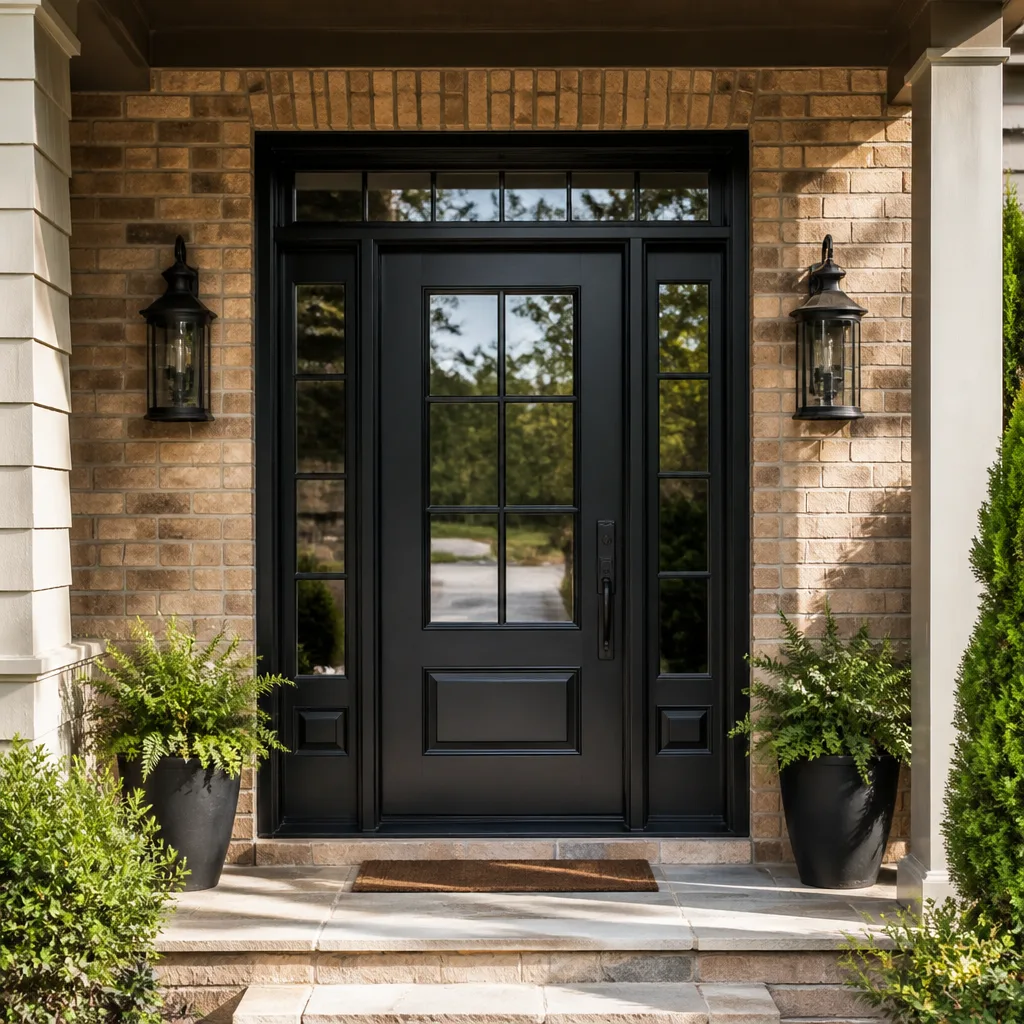 Entry doors
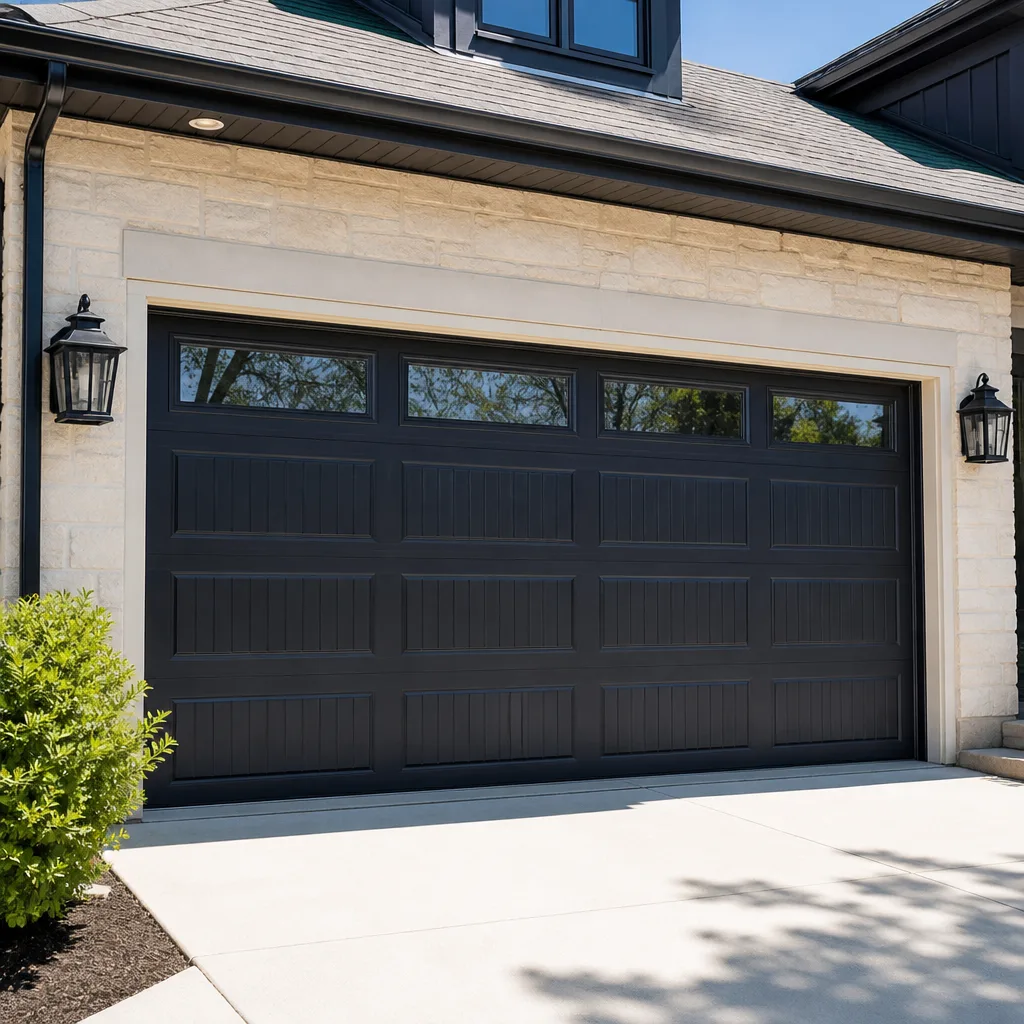 Impact garage doors
 PGT
 CGI
Free in-home measure and quote - PGT, CGI and CWS impact lines compared on your actual openings, style by style
Get your free estimateWindow Replacement Troubleshooting in Citrus Heights: Common Problems and How to Fix Them
Most homeowners who call us convinced they need new windows actually don’t. Or more precisely, they don’t need a full tear-out and rebuild of the whole assembly. What they need is a clear diagnosis of which of three things has failed: the glass unit, the frame, or the flashing and water seal around the opening. Those three problems have three very different price tags and three different solutions, and the gap between the cheapest and the most expensive is often thousands of dollars. This guide walks you through what a real troubleshooting process looks like before anyone recommends replacement, with the specific conditions we see in Citrus Heights homes.
Quick Answer
Most window problems in Citrus Heights fall into one of three categories: a failed insulated glass unit (fogging or condensation between panes), a frame or weatherstripping issue (sticking, drafts, hard operation), or a water-management failure at the flashing and sill. The first is usually a glass swap. The second is often adjustment, weatherstripping, or seasonal swelling. Only the third regularly demands full replacement, and even then, the window itself is sometimes fine while the installation is at fault. Diagnosing which category you’re in is the entire job.
Styles & brands we work with
- Single hung
- Double hung
- Horizontal roller
- Casement
- Bay & bow
- Sliding glass doors
- Entry doors
- Impact garage doors
- PGT
- CGI
Table of Contents
- Why a Foggy Window Is Not Always a Failed Window
- Three Different Problems, Three Different Solutions
- Sticking or Hard-to-Operate Windows: When It’s Seasonal, Not Structural
- When a Draft Is an Installation Defect, Not a Product Failure
- Water Intrusion at the Sill: Window or Flashing?
- The Pre-Replacement Checklist a Specialist Runs
- How Product Choice Factors Into Troubleshooting
- Common Mistakes to Avoid
Why a Foggy Window Is Not Always a Failed Window
Condensation between two panes of glass means one thing with certainty: the seal on the insulated glass unit (IGU) has failed. That’s a glass problem, not a window problem. The frame, the sashes, the hinges, the weatherstripping, the opening itself can all be entirely sound while the glass inside them has lost its argon fill and taken on moisture.
For many windows, that means a glass-unit swap rather than a whole-window replacement. In practice, the difference between the two is the difference between taking out a pane and taking out the entire assembly, and a specialist will tell you which one you actually need within minutes of looking at it.
Two things to check before anyone recommends replacement:
- Is the fog between the panes, or on the inside of the room? Condensation on the room-side surface is a humidity and ventilation issue, not a glass failure. It happens when indoor moisture is high and the interior glass is the coldest surface in the house. Running a bath fan longer or cracking a window briefly during cooking fixes it.
- Is the fog on one lite (one pane), or on every lite? A single foggy pane is almost always a glass-unit failure. Fog on multiple windows on the same elevation suggests an underlying moisture or pressure issue worth looking into before you swap glass.
It’s also worth being honest about the economics. A glass-only swap is a much smaller job than pulling and reinstalling a full window, and if the frame, sash, and hardware are in good shape, replacing the whole unit is spending money for the sake of spending it. That said, if the frame has rot, the sashes are warped, or the window is old single-pane glass with a failed storm panel behind it, the smarter path is usually a full window replacement rather than a partial fix on a system that’s going to fail again. The diagnosis is what saves you money, not the answer.
Three Different Problems, Three Different Solutions
Window troubleshooting in Citrus Heights comes down to separating three separate failure points. They look similar from the inside of the house, but they’re not:
- Insulated glass unit (IGU) failure. The glass sandwich itself has lost its seal. Symptoms: fogging, condensation, a milky haze, or a visible blotch between panes. Solution: replace the glass unit, or the whole window if the frame is compromised.
- Frame or sash failure. The wood, vinyl, or aluminum surrounding the glass has warped, cracked, swelled, or lost structural integrity. Symptoms: sticking, hard operation, drafts around the meeting rail, visible gaps, or locks that no longer line up. Solution: adjustment, weatherstripping, or replacement depending on severity.
- Flashing or water-management failure. The window was installed into the wall without a correct sill pan, back dam, sealant envelope, or head flashing. Symptoms: water intrusion at the sill, stains on interior trim, peeling paint below the window, water stains on the drywall. Solution: flashing rebuild, or replacement with correct water management.
These are not the same repair. An IGU failure is a one-visit job in most cases. A frame problem can range from a fifteen-minute adjustment to a full replacement. A flashing problem is rarely solved by touching the window at all.
In our experience, homeowners who call a replacement company before doing this diagnosis often end up replacing windows that didn’t need it while the actual source of the problem, the flashing, stays untouched and keeps leaking. Replacing the window over bad flashing doesn’t fix the leak. It just delays it. If you’ve already had water intrusion and someone is quoting new windows without asking about the sill pan and head flashing, slow down and ask for the water-management details of the installation.
For homeowners weighing a decision on scope, it helps to compare what’s actually being replaced. If the diagnosis lands on the frame or glass, an honest answer beats a fast one. That’s why we lay out the three categories up front rather than leading with a replacement quote. The right answer to “what’s wrong with this window” is not always “you need a new one.”
Sticking or Hard-to-Operate Windows: When It’s Seasonal, Not Structural
A window that sticks in January and slides smoothly in July is not a failed window. It’s a seasonal issue, and Citrus Heights homes built in older neighborhoods often carry wood frames or wood-clad units that expand and contract with the moisture swings between the wet winter and the dry summer.
What to check first:
- Does the window operate differently at different times of year? If yes, the problem is seasonal wood movement or thermal expansion, not a broken sash.
- Is a particular part of the window sticking, or the whole thing? Localized sticking around one corner usually points to a hardware, hinge, or weatherstrip issue. Full-frame sticking suggests swelling or misalignment.
- Does the lock line up? A sash that no longer meets the lock indicates the frame or sash has shifted. That’s a different fix than a humid weatherstrip.
- Is there paint or debris in the track? On sliding windows in older Citrus Heights homes, a build-up of paint, grit, or dried silicone is often the entire problem.
For vinyl and aluminum windows, sticking is less often seasonal and more often a hardware or track problem. Rollers wear out, hinges loosen, and sliding tracks fill with debris. These are maintenance items, not replacement triggers, and a specialist should be able to tell you which one you’re facing before anyone starts talking about new units.
The judgment call comes down to the frame material and condition. A wood-framed window that sticks every winter but works smoothly every summer is doing exactly what it should – wood responds to moisture. A vinyl window that’s suddenly hard to open after years of easy operation is telling you something has worn or shifted. In either case, adjustment, lubrication, or hardware replacement usually costs far less than a full replacement, and a specialist should say so honestly.
When a Draft Is an Installation Defect, Not a Product Failure
A draft around a window is one of the most misdiagnosed problems in the trade. The window itself can be a perfectly good product from a good manufacturer, and it can still leak air – because the way it was set into the opening was wrong.
Installation-defect drafts usually show up in these forms:
- Cold air coming from a specific corner of the frame. That’s almost always a missing or compressed pocket of insulation between the rough opening and the window frame, or a spray-foam gap that wasn’t sealed at the rough-in stage.
- Draft around the trim, not the window. Air traveling around the interior casing means the trim-to-drywall joint wasn’t sealed, or the casing was installed without backer rod. The window itself is fine.
- Draft at the meeting rail of a double-hung or slider. That can be a worn weatherstrip or a sash that isn’t sitting tight when closed. It’s often a hardware or weatherstrip fix, not a replacement.
- Draft through the weep holes or the lower sill. Some weep systems are designed to drain and will feel slightly breezy under high wind load if there’s no wind baffle. Others are missing interior seals. A specialist can tell you which.
The correct process is to separate product failures from installation failures before pricing anything. If the glass is intact, the frame is square, and the sashes line up, but you’re feeling air at a specific corner, the fix is often sealing, insulation, or a minor hardware adjustment – not a new window. Having access to multiple manufacturers the way we do – CGI, CWS, ES Windows, ECO Window Systems, and others – is only useful when the product side is actually the problem. When the problem is on the installation side, the answer is different.
If you’ve had a recent installation elsewhere in the home and you’re chasing drafts on the same wall, ask for a close look at the rough opening before you spend anything on the window itself. A tight, well-detailed installation matters more than any brand label.
Water Intrusion at the Sill: Window or Flashing?
Water at the sill is the one symptom that most often does demand replacement – but not always of the window. Nine times out of ten, it’s a flashing problem, and the window is the victim rather than the cause.
The path water takes into a home through a window follows a predictable order. At the top: the head flashing. If the head flashing isn’t correctly layered behind the WRB (weather-resistant barrier) and shingled out over the window flange, water gets into the wall cavity above. At the sides: the jamb seals. At the bottom: the sill pan and back dam. If the sill pan is missing or improperly sloped, water pools against the window frame, wicks into the rough sill, and finds its way onto the drywall below.
The diagnostic questions a specialist asks:
- Where is the stain? Below the window inside, at the interior trim, on the sheetrock under the window – that points to a sill or flashing issue. Between the jamb and the drywall points to a jamb seal.
- Is the top of the window frame showing water staining? Head flashing.
- Do the weepholes actually drain? On sliding windows, weepholes that have been caulked over or blocked by paint are common. That traps water against the frame.
- Is the window bowed or warped? A warped window frame can fail its own seals even in a correctly flashed opening. That’s a replacement case.
- Does the intrusion correlate with wind direction? Wind-driven rain finding a specific wall elevation almost always points to flashing, not product.
If the flashing is the problem, replacing the window without rebuilding the flashing just hides the leak for one rainy season. If the window itself is warped or has failed seals, replacing it makes sense – and the replacement is your chance to have the flashing done right. Either way, the answer isn’t “replace the window” until the flashing details have been confirmed. A correctly flashed window installation is the difference between a leak that stays fixed and one that comes back.
The Pre-Replacement Checklist a Specialist Runs
Before we recommend replacement over any less expensive path, we run through a short checklist. If a homeowner calls and says “just quote me new windows,” this is what an honest specialist does anyway:
- Identify which failure category applies. IGU, frame, or flashing. Everything else is downstream of that.
- Confirm the window is the actual source, not the surrounding opening. Flashlight test at the interior face on a cool day, or a smoke pencil if we need to pinpoint air movement.
- Check the rough opening. Pull the interior trim back if needed to inspect the foam, insulation, and vapor barrier.
- Examine the flashing system at head, jamb, and sill. This requires looking at the exterior, sometimes removing siding or stucco at the perimeter.
- Evaluate the frame condition. Rot, warping, loss of attachment, and lock alignment all get checked before we talk about replacement.
- Test operation of every sash and moving part. If a $30 roller or hinge makes it slide again, that’s a better answer than a new window.
- Price the smaller fix first. If the glass swap or adjustment actually solves the problem, that’s the recommendation, not the replacement.
Running this checklist is not a sales technique. It’s how a specialist avoids selling a homeowner a $1,200 window to solve a $200 glass problem. Not every contractor will run it, and the ones who skip it usually skip it because the large quote is the more profitable answer.
How Product Choice Factors Into Troubleshooting
When replacement really is the answer, the brand roster matters less than the diagnosis – but only if the diagnosis is correct. Once you know you’re replacing windows, having access to a range of manufacturers makes the fit better. A homeowner whose priority is energy efficiency is looking at a different product than a homeowner whose priority is storm protection, and a homeowner whose priority is matching a specific look is looking at a third.
That’s where working with a specialist who carries multiple lines helps. CGI and CWS cover the everyday replacement market well. ES Windows and ECO Window Systems are energy-focused systems that perform well in the Sacramento valley’s hot summers. Which one fits your home depends on the sun exposure, the orientation of the opening, and what you’re trying to solve. For a home with a hot west-facing wall, an energy-rated glass package makes a bigger difference than a heavier frame. For a home where the priority is curb appeal and matching an older architectural style, the frame and sash profile drives the decision. And if there’s a door involved in the same project, a Therma-Tru entry door brings the same performance conversation to the front of the house.
The right window for your home is the one that fits what you’re actually trying to solve, not the one brand a single-line dealer happens to stock. Our window replacement Citrus Heights work spans impact-rated, energy-efficient, and decorative glass categories for exactly that reason. And when a door is part of the scope, the same brand-versus-priority thinking applies to door replacement as well.
Common Mistakes to Avoid
- Assuming a foggy window means the whole assembly failed. Condensation between panes means the seal on the glass unit is gone, not the frame. Ask specifically whether a glass swap is possible before agreeing to a full replacement.
- Letting someone quote a replacement without inspecting the flashing. Replacing a window over bad head flashing or a missing sill pan puts a brand-new unit on top of a water problem that will still leak. Any quote that doesn’t address flashing details is incomplete.
- Ignoring seasonal sticking. Older Citrus Heights homes with wood frames often stick in the wet months and operate normally in the dry months. Seasonal variation means the window is doing what wood does, not failing.
- Assuming a draft is a product defect. Cold air at a specific corner usually means an insulation or air-seal gap from the prior installation, not a bad window. It’s a different fix.
- Hiring a general contractor who installs windows occasionally. A crew that installs windows daily sees the flashing, sill, and rough-opening details in their sleep. A crew that does it between roofing jobs doesn’t. The difference shows up one rainy season later.
- Skipping a second opinion after a full-replacement quote. If the diagnosis was not explained in terms of which of the three failure categories applies, get a second look. A quote that doesn’t name the actual failure is a red flag.
- Under-scoping a project. If you’ve decided to replace, don’t leave one or two windows on the same wall so that the new units and old units end up looking different from the street and performing to different standards. It’s a bigger job than a single window and takes more planning, which is why we take replacement and installation work of three openings or more per project.
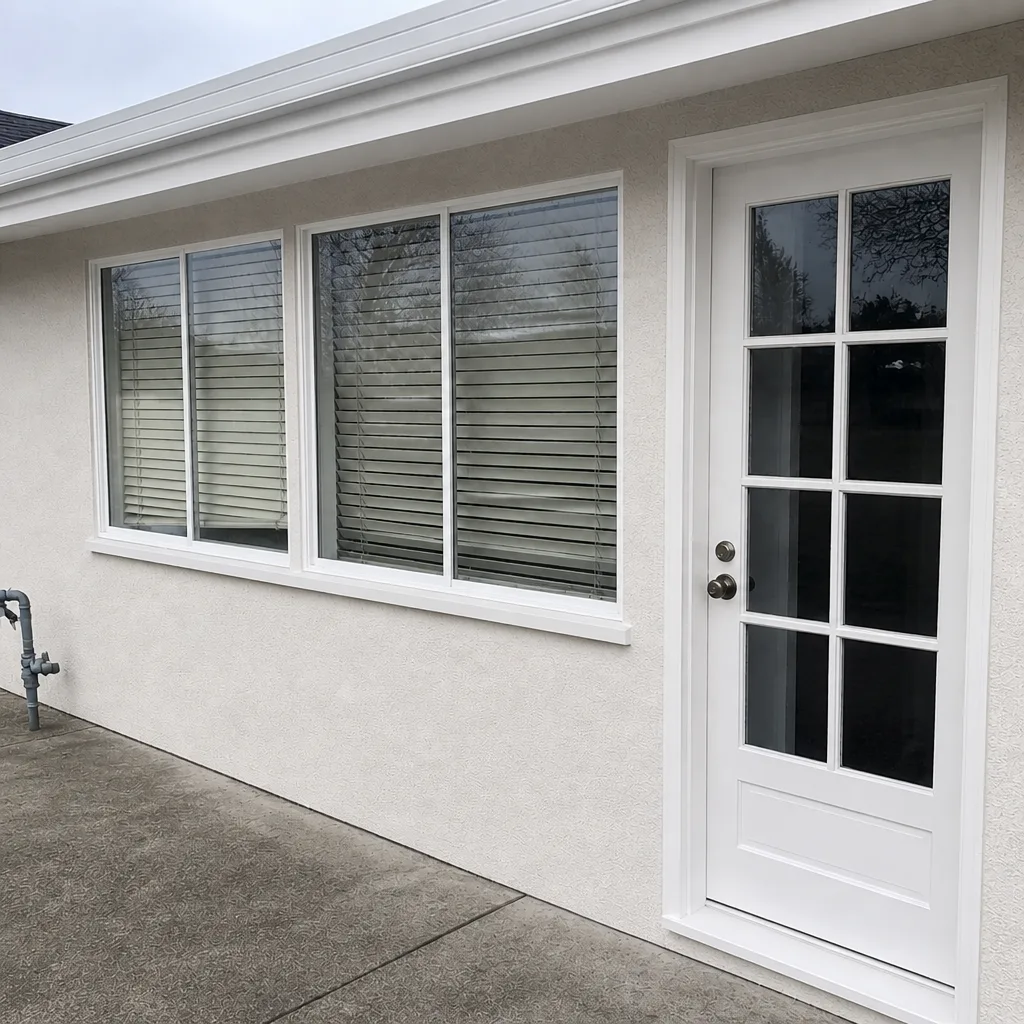
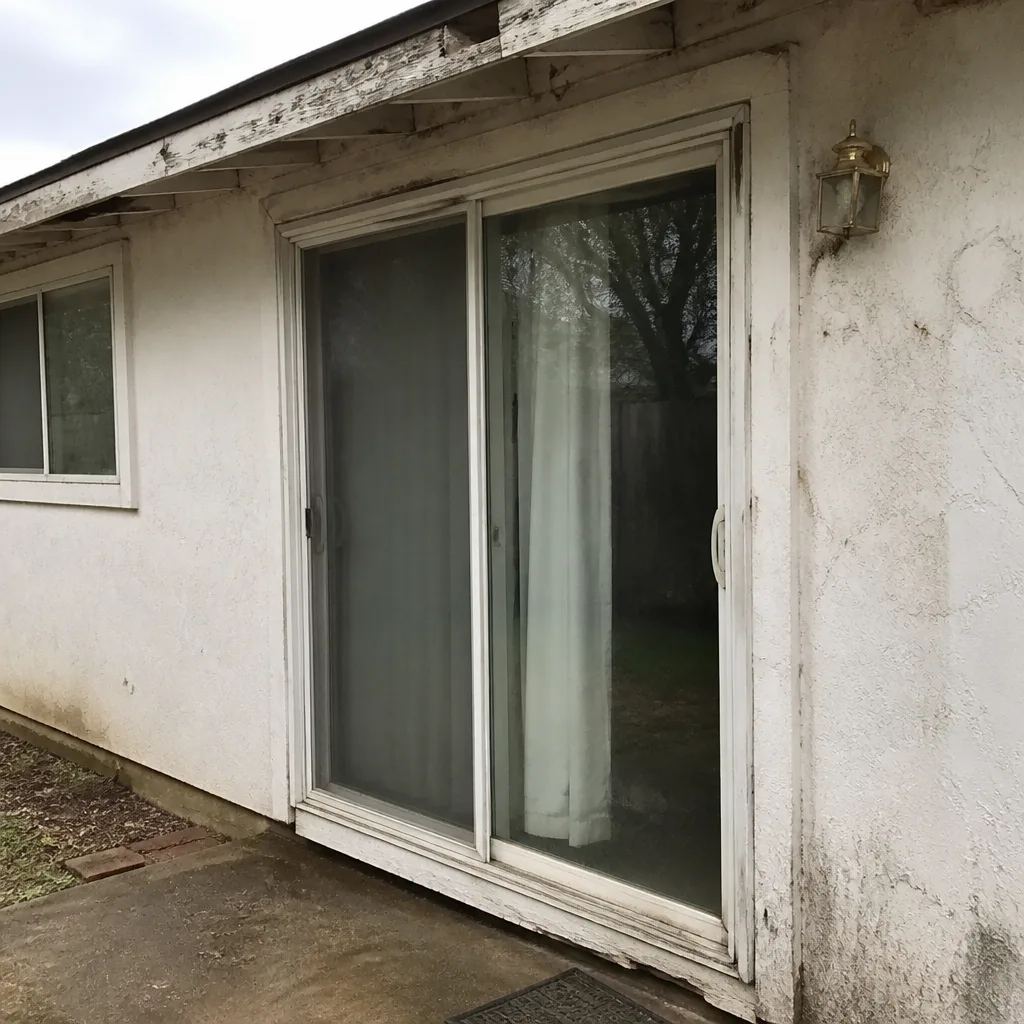
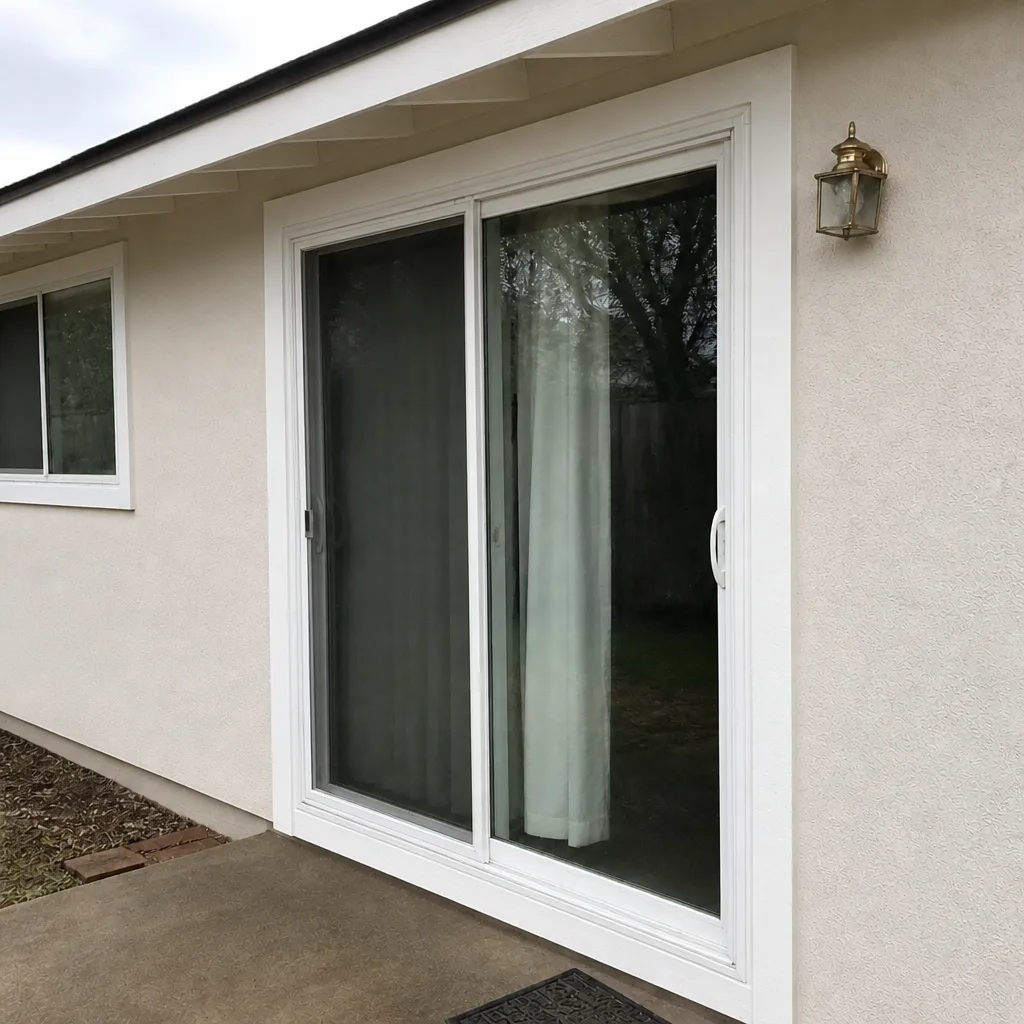
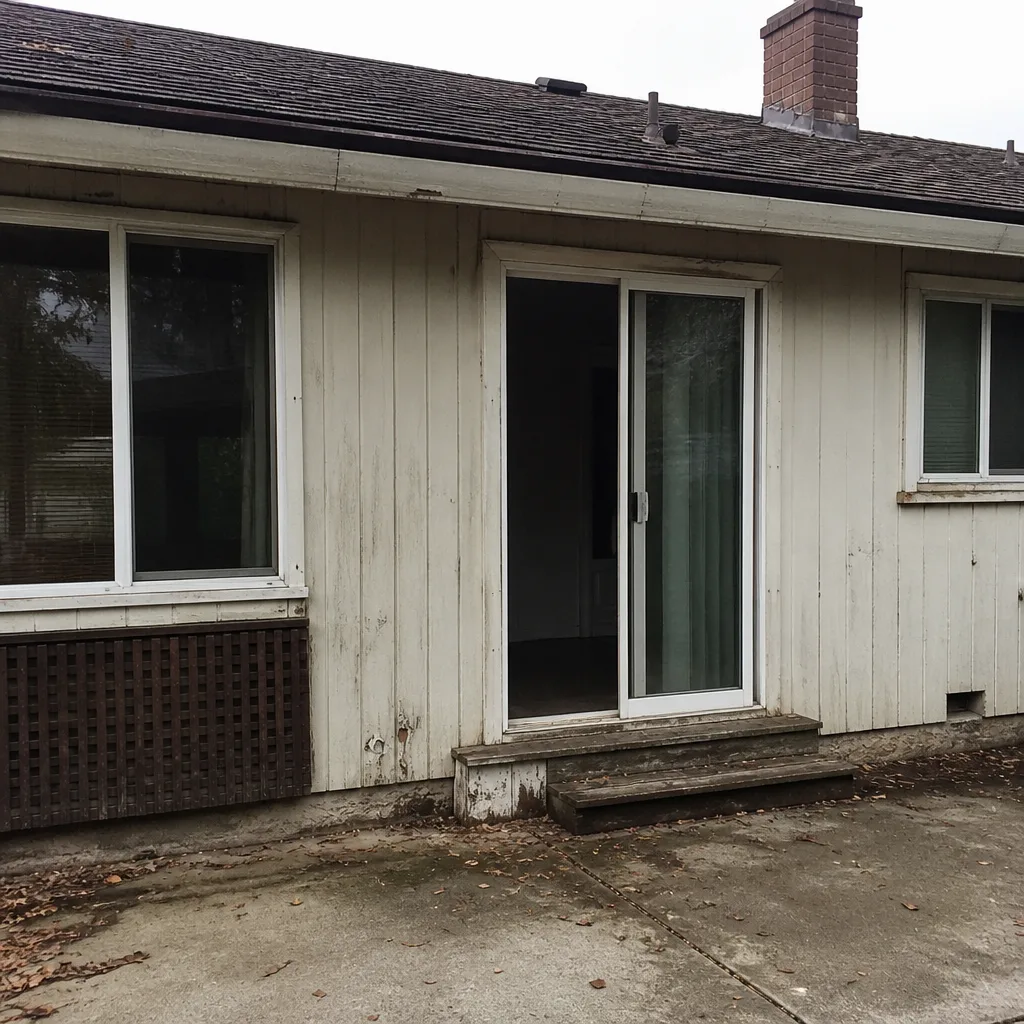
See the difference
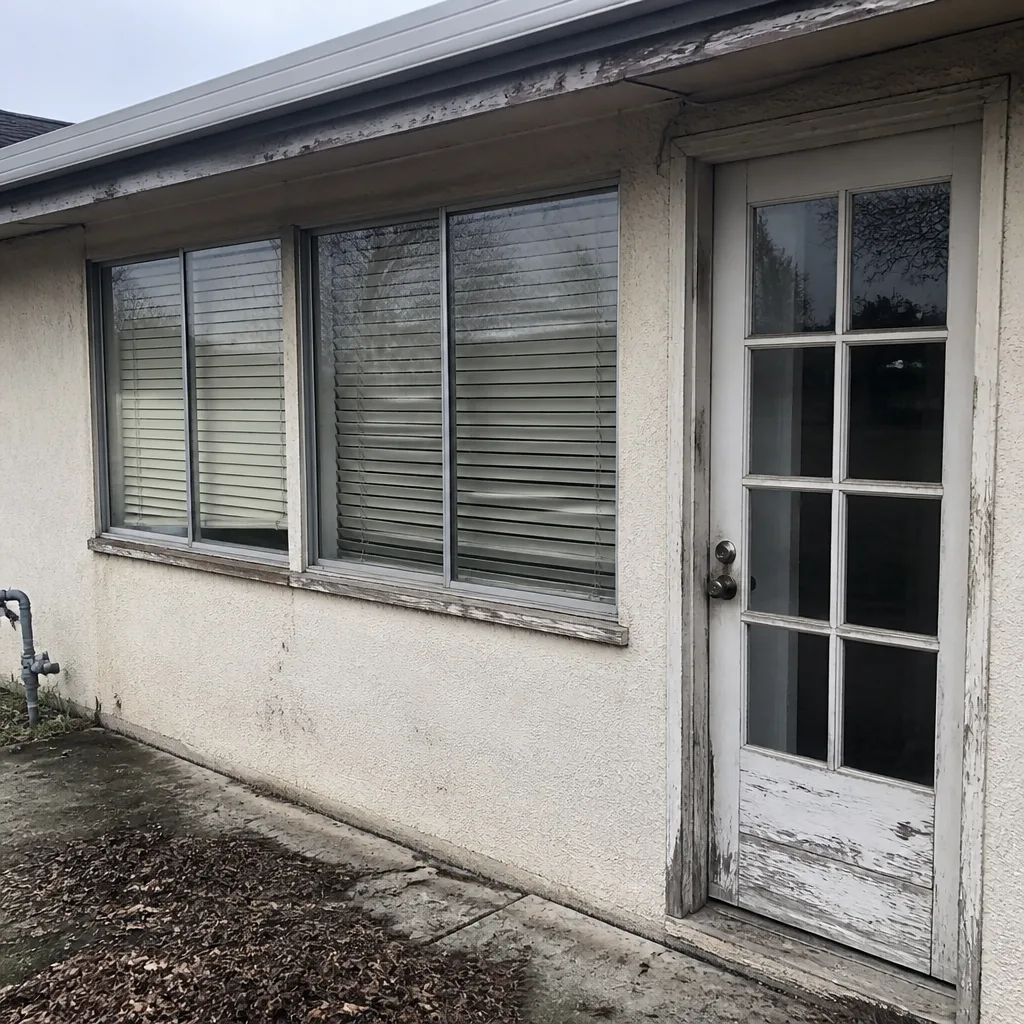 Before
 After
 Before
 After
 Before
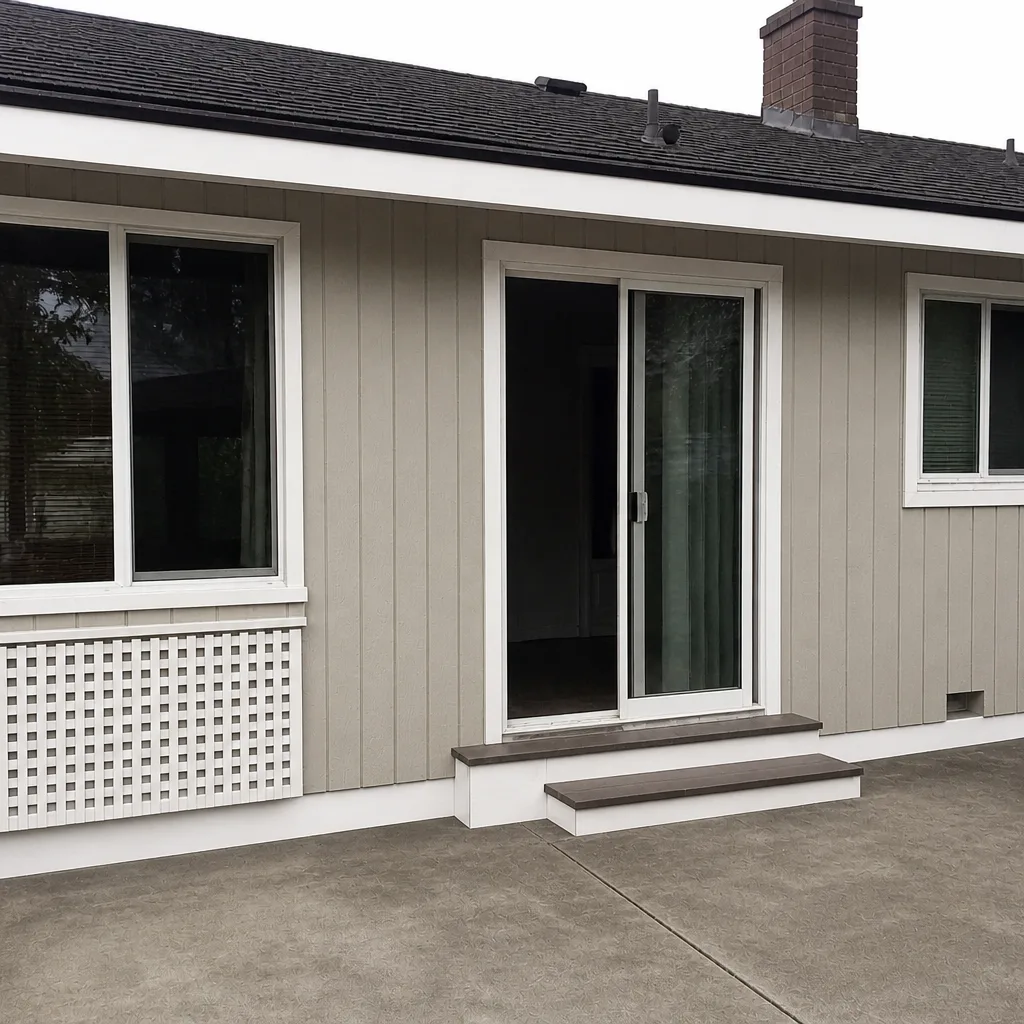 After
When to Call a Professional
Call a specialist when the diagnosis isn’t clear from the inside of the house, when water is showing up on interior drywall or trim below a window, or when a window that previously operated smoothly is now sticking, hard to lock, or visibly out of square. Call when you’ve had a prior installation that’s leaking, or when you’re not sure whether you’re looking at a glass problem or a water-management problem – those are the calls where the difference matters most.
Call also when you’re ready to stop troubleshooting one window at a time and lock in a real answer for the whole house. Window Replacement Citrus Heights offers free estimates in Citrus Heights – call (279) 321-4124. We’ll look at the actual failure, not just quote a number.
Frequently Asked Questions
Replacement cost in Citrus Heights depends on the size and type of window, the frame material, and whether the flashing and rough opening need rebuilding. A qualified contractor provides a written line-item quote after inspecting the opening and confirming the failure category. That’s why we don’t quote over the phone before looking – the difference between a glass swap and a full replacement is often the entire reason someone’s calling. Call (279) 321-4124 for a free estimate, and the quote will name exactly what’s being replaced and why.
No. Condensation between the panes means the insulated glass unit’s seal has failed. On many windows, that’s a glass-unit swap, not a full window replacement. The frame, sashes, hardware, and rough opening often don’t need to be touched. A specialist can confirm whether the glass swap is available for your window model before you spend anything on a full replacement.
Seasonal sticking is usually wood-frame expansion and contraction from winter moisture. Older homes in Citrus Heights often have wood or wood-clad frames that swell during the wet months and dry out in summer. That’s the window reacting to the climate, not failing. Adjustment, weatherstripping, track cleaning, or hardware maintenance usually resolves it. If the sticking is sudden, year-round, or accompanied by a lock that no longer aligns, that’s a different issue and worth a professional look.
It shouldn’t. A written line-item quote locks in the scope and the price before any work begins, and any reputable installer stands behind that number. If the opening reveals hidden damage – rotted framing, damaged sheathing, missing flashing under the siding – that’s the one legitimate reason a scope changes, and a specialist who inspected the opening properly during the estimate should have caught it in advance. Ask for the scope to be in writing. Call (279) 321-4124 and we’ll walk you through the quote line by line.
Permit requirements for replacement windows vary by city and by the scope of work, so the answer depends on what’s being replaced and how. Most cities require a permit for structural changes or for replacements that affect the building envelope, and many require it for full window replacements. Ask your city’s building department directly, and confirm with your contractor that permits – if required – are pulled before work begins. We’re happy to walk through what’s typically involved in a Citrus Heights replacement during the estimate.
The typical window replacement takes a few hours per opening once the team is on site and the opening is ready. Whole-house replacements are usually scheduled over a series of days, not a single afternoon. The actual timeline depends on how many openings are in scope, whether any flashing or rough-opening work is needed, and the weather. Your written estimate should include a realistic timeline, not a best-case one. Call (279) 321-4124 for a schedule estimate on your specific project.
The Bottom Line
Most window problems in Citrus Heights are diagnosable before anyone talks about replacement. Foggy glass is usually a glass-unit swap. Sticking and hard operation is often seasonal wood movement or a hardware fix. Drafts are usually installation defects. Only water intrusion at the sill genuinely points to replacement, and even then the flashing is often the real culprit. Running the three-category checklist before spending anything saves the money that a rushed quote would cost.
When replacement is the right answer, use a specialist who carries multiple product lines – CGI, CWS, ES Windows, ECO Window Systems, and the rest – so the product fits your home and your priority, not the other way around. Free estimates are available for projects of three openings or more. Call (279) 321-4124 to get started, and we’ll tell you what’s actually wrong before we quote a replacement.
Written by the team at Window Replacement Citrus Heights.